


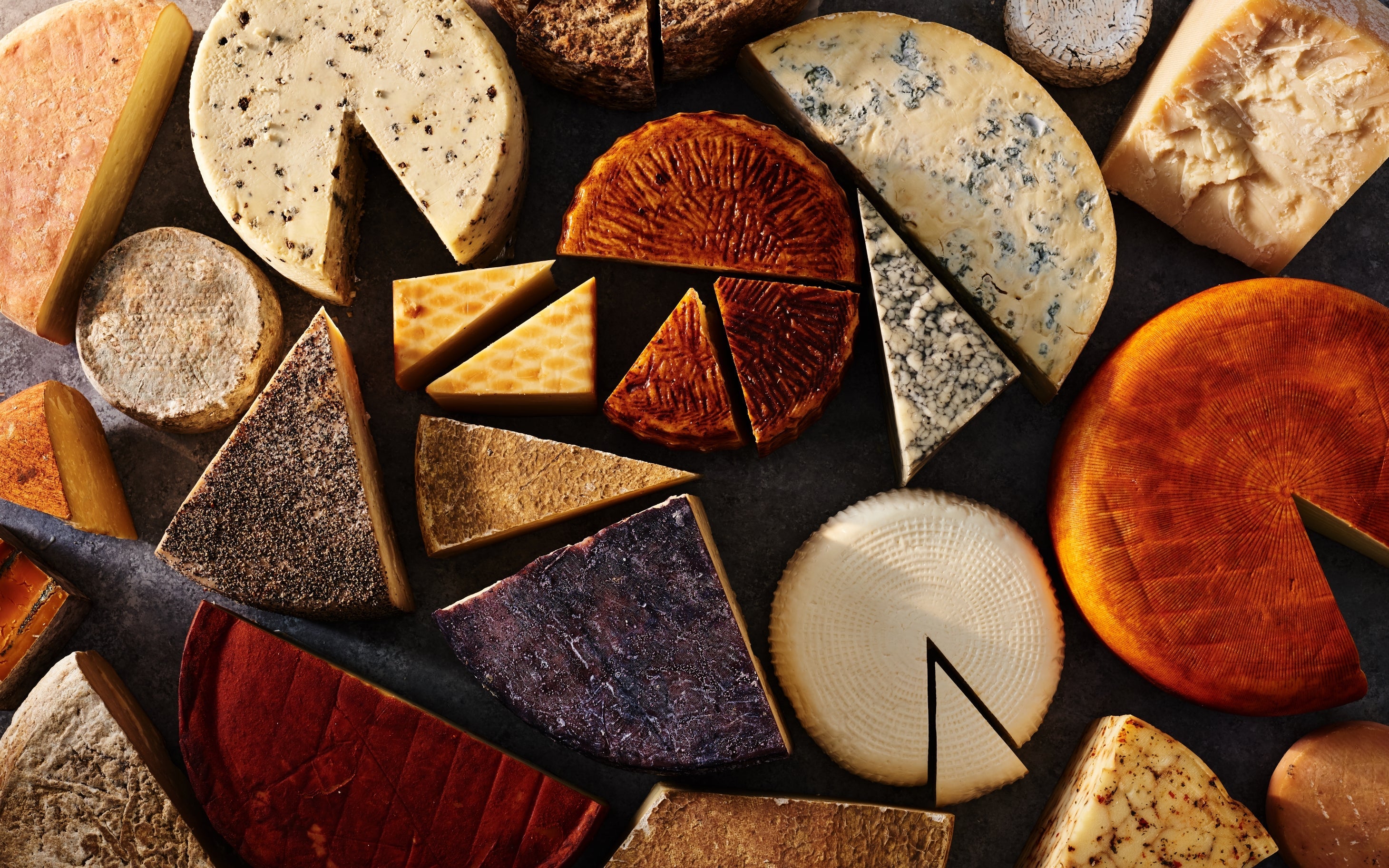
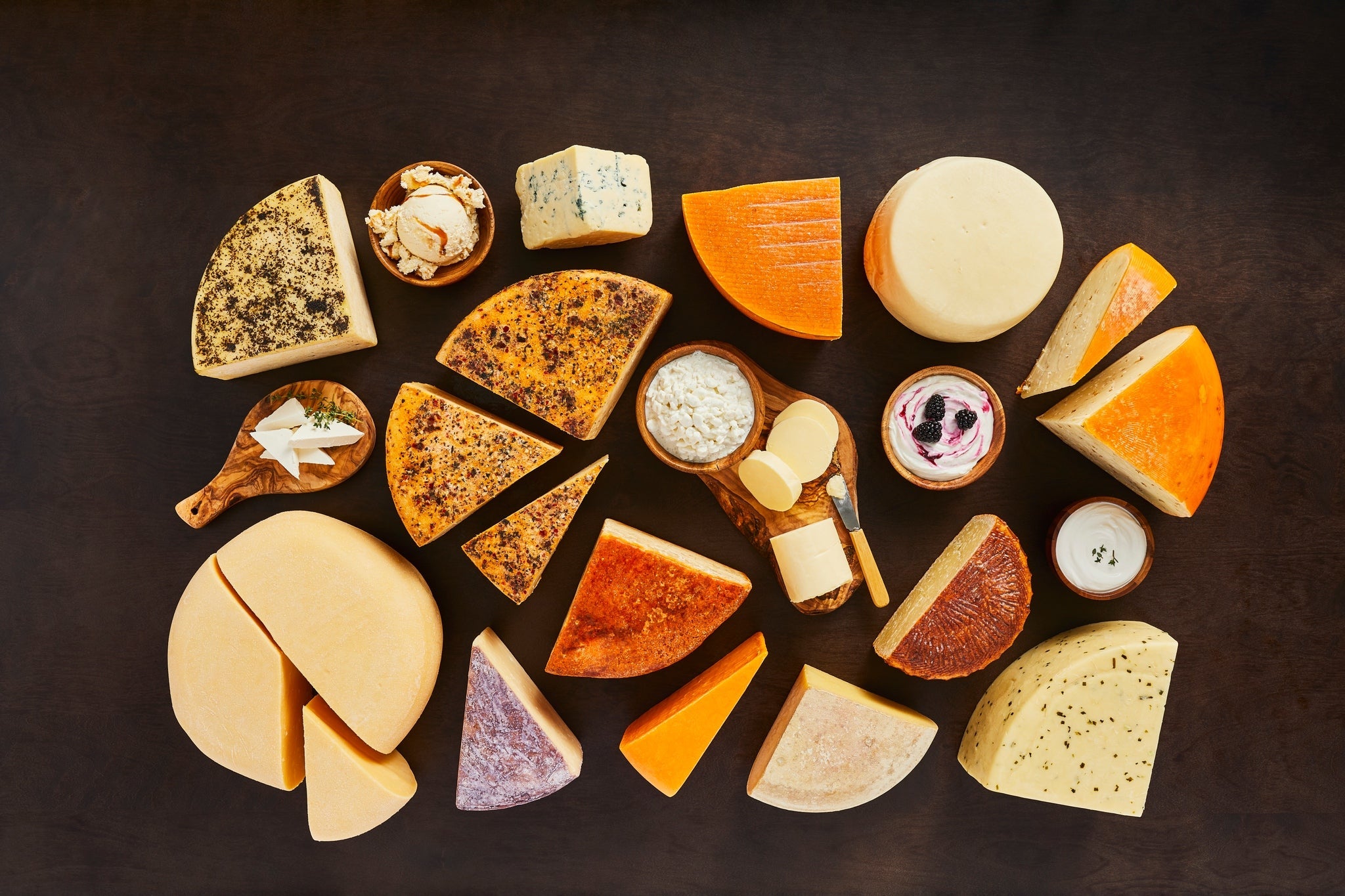
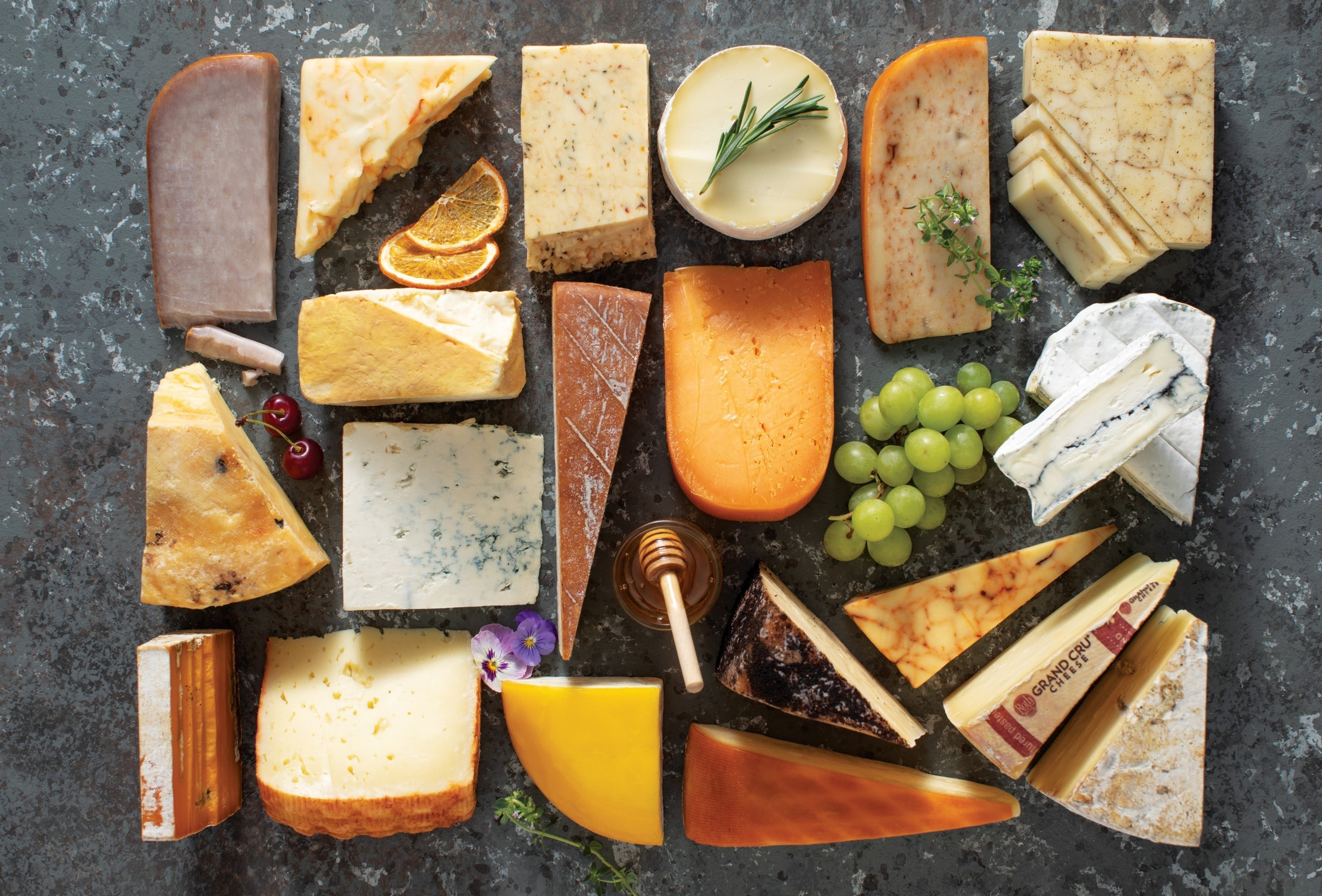

A good cheese board does not need to be crowded. Actually, the best ones usually feel simple: a few pieces of artisan cheese, something crisp, something sweet, something salty, and maybe a little bowl of honey that everyone keeps reaching for.
At Book of Foods, we always come back to the same idea: good food feels better when it is easy to enjoy. Cheese pairings work the same way. You do not have to memorize fancy rules. You only need to understand what each cheese is asking for.
A sharp cheddar loves the snap of a fresh apple. A creamy goat cheese becomes brighter with berries or citrusy jam. A bold blue cheese softens when you add honey, dates, or dried figs.
The best pairings for artisan cheese work because they create contrast. Creamy needs crunchy. Salty needs sweet. Rich needs fresh. Once you get that balance right, even a small board feels generous.
And honestly, that is the kind of food people remember. Not because it was complicated, but because every bite made sense.
Why artisan cheese tastes better with the right pairings

Artisan cheese already has character. Some cheeses are buttery and mild. Some are sharp enough to make you pause for a second. Others are earthy, smoky, tangy, or salty in a way that almost asks for something beside them.
That is where pairings help.
The goal is not to hide the cheese under piles of jam, crackers, meat, and fruit. The goal is to give each bite a little balance. A good pairing makes the cheese taste more like itself.
Think about a sharp cheddar. On its own, it can be rich and bold. Add a slice of apple, and suddenly the bite feels cleaner. The fruit cuts through the richness without stealing the show.
Or take a creamy cheese. It can feel soft and almost buttery, but after a few bites, your palate may want something with texture. A toasted almond, a crisp cracker, or a few grapes can make it feel fresh again.
Pairings should support the cheese, not cover it up
One of the easiest mistakes is adding too much.
A spoonful of fig jam can make aged cheese taste deeper and rounder. Half a jar of fig jam turns the cheese into a background ingredient. Same with honey. Same with mustard. Same with strong cured meats.
Start small. Add a little, taste it, then decide if the cheese needs more.
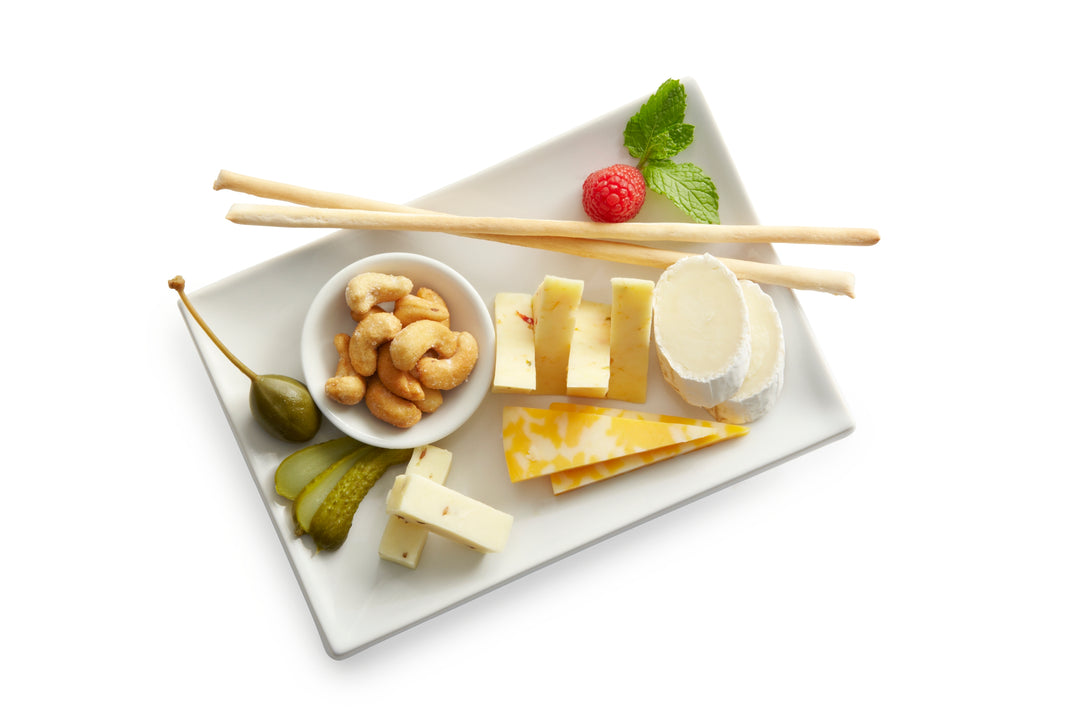
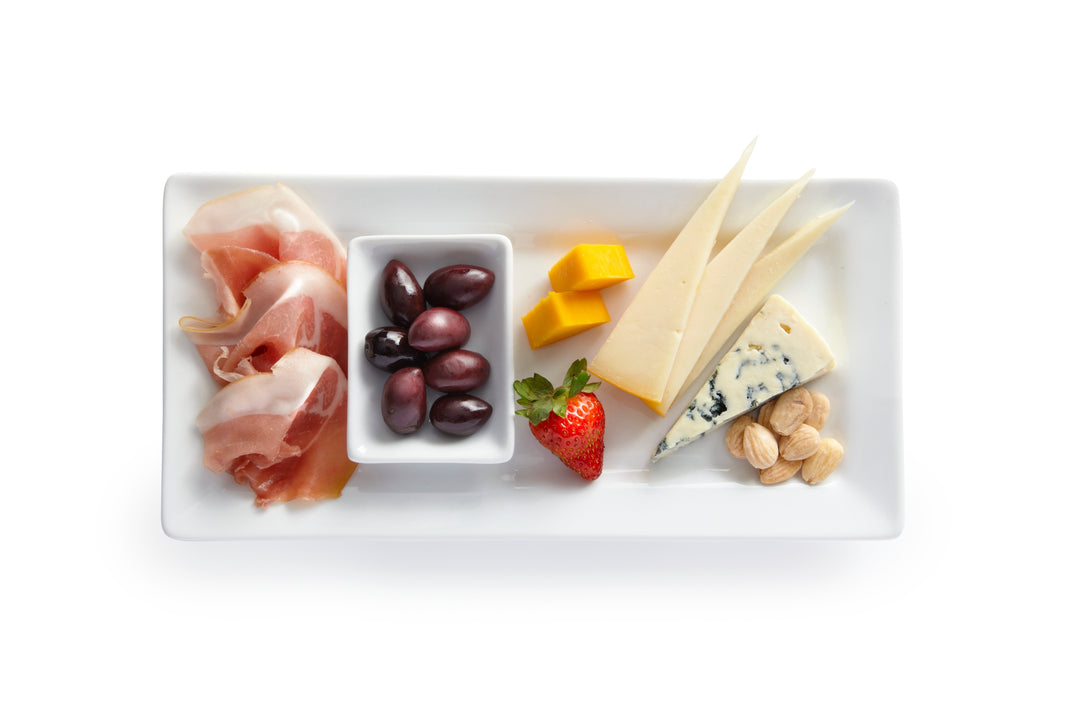
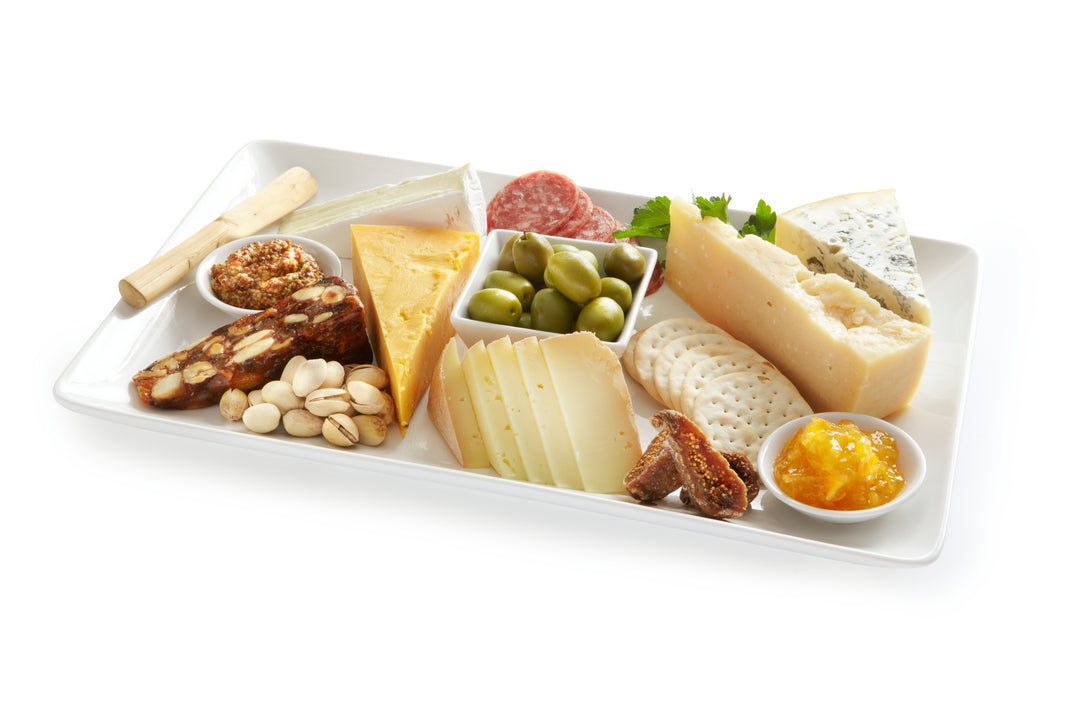
A simple cheese board can follow this rhythm:
- one or two cheeses with real flavor
- one fresh fruit
- one crunchy item
- one sweet accent
- one salty or savory bite
That is enough for most boards. You do not need twelve toppings and three kinds of crackers unless you enjoy building the whole production.
Think in contrast: sweet, salty, crisp, creamy
The best pairings usually work because they bring in something the cheese does not already have.
Creamy cheese likes crunch.
Sharp cheese likes sweetness.
Salty cheese likes fruit.
Smoky cheese likes nuts, mustard, or cured meat.
Blue cheese likes honey, dried figs, pears, or dates.
Once you start thinking this way, pairing cheese gets much easier. You stop asking, “What sounds fancy?” and start asking, “What would make this bite better?”
Best fruits to pair with artisan cheese

Fruit is usually the easiest place to start. It brings sweetness, juice, color, and freshness without making the board feel heavy.
The trick is choosing fruit that matches the cheese instead of just scattering grapes everywhere and hoping for the best. Grapes are useful, yes. But apples, pears, figs, berries, cherries, peaches, and dried fruit can all change the way a cheese tastes.
Apples and pears for cheddar and aged cheeses
Apples and pears are classic with cheese because they do two things well: they add crunch, and they clean up the richness.
Aged cheddar, especially, loves that contrast. It can be sharp, nutty, and a little crumbly. A crisp apple slice makes the bite feel brighter. Pears are softer and sweeter, so they work beautifully when you want something more gentle.
Good combinations to try:
- sharp cheddar with Honeycrisp apple
- aged cheddar with pear and whole grain crackers
- smoked cheese with apple slices and mustard
- gouda with pear and toasted pecans
If the cheese is very bold, go with a fruit that has some snap to it. If the cheese is mild and creamy, a softer pear can be enough.
Grapes, berries, and figs for creamy cheeses
Creamy cheeses need freshness. After a few bites, the richness can start to sit on your palate. Grapes, berries, and fresh figs help with that.
Grapes are easy because they are sweet, juicy, and familiar. They work with mild cheeses, creamy cheeses, and even some sharper ones. Berries feel a little brighter. Strawberries, raspberries, and blackberries are especially good with goat cheese or soft spreadable cheese.
Fresh figs are a little different. They are soft, honeyed, and almost jammy without actually being jam. Pair them with goat cheese, blue cheese, or a creamy cheese that needs something elegant but not loud.
A few easy matches:
- goat cheese with strawberries or raspberries
- havarti with green grapes
- creamy cheese spread with blackberries
- blue cheese with fresh figs
And if you are building a board for guests, leave some fruit whole and slice some. Whole grapes and berries look relaxed, while sliced pears or figs make the board feel more intentional.
Dried fruit for bold cheeses
Dried fruit is small, sweet, chewy, and intense. That makes it perfect for cheeses with stronger flavor.
Think dried figs, dates, apricots, cherries, or cranberries. They do not water down the board, and they hold up well if the cheese board sits out for a while.
Blue cheese with dates is one of those pairings that sounds intense until you taste it. The cheese is salty and sharp. The date is soft and caramel-like. Together, they balance each other out.
Dried apricots are great with goat cheese or blue cheese. Dried cherries work nicely with gouda or cheddar. Figs are probably the safest choice if you want one dried fruit that works with many artisan cheeses.
Try these:
- blue cheese with dates
- aged cheddar with dried figs
- gouda with dried cherries
- goat cheese with dried apricots
- smoked cheese with dried cranberries
Just do not overdo it. Dried fruit is sweeter than fresh fruit, so a small handful goes a long way.
Nuts that make a cheese board feel complete

Nuts do a quiet job on a cheese board, but you notice when they are missing.
Cheese is rich. Fruit is juicy. Honey and jam are soft. Nuts bring the crunch. They also add a roasted, earthy flavor that keeps the whole board from leaning too sweet.
You do not need anything complicated here. A small bowl of almonds, walnuts, pecans, pistachios, or hazelnuts can make the board feel finished.
Walnuts with blue cheese and sharper cheeses
Walnuts have a slightly bitter edge, and that is exactly why they work with strong cheese.
Blue cheese can be salty, creamy, and intense. Walnuts give it structure. Add a little honey or a dried fig, and suddenly the bite feels balanced instead of overwhelming.
Walnuts also work with aged cheddar or any cheese that has a sharper finish. They do not fight the cheese. They hold their ground.
Try:
- blue cheese with walnuts and honey
- aged cheddar with walnuts and apple slices
- goat cheese with walnuts and dried cranberries
- sharp cheese with walnuts and pear
If you want the flavor to feel warmer, toast the walnuts for a few minutes before serving. Not too long. Just until they smell nutty.
Almonds with cheddar, gouda, and firm cheeses
Almonds are the safe choice, but not in a boring way. They are clean, crisp, and mild enough to go with a lot of cheeses.
They work especially well with cheddar, gouda, and other firm cheeses because they add crunch without taking over the bite. If the cheese is already bold, almonds keep things simple.
Plain roasted almonds are usually better than heavily seasoned ones. Salted almonds are fine, but strong flavors like barbecue, ranch, or spicy dust can make the board taste messy.
Good combinations:
- cheddar with almonds and apple slices
- gouda with almonds and dried cherries
- havarti with almonds and grapes
- smoked cheese with almonds and mustard
For a casual board, almonds are one of the easiest things to keep on hand. Open the bag, pour them into a small bowl, and you are already halfway there.
Pecans, pistachios, and hazelnuts for sweeter pairings
Some nuts feel softer and sweeter than others. Pecans are buttery. Pistachios are lightly sweet and a little creamy. Hazelnuts have that deep roasted flavor that makes cheese taste almost dessert-like.
These are especially good when your board includes honey, jam, dried fruit, or milder cheeses.
Pecans are lovely with gouda, cheddar, and creamy cheeses. Pistachios work well with goat cheese, especially if you add honey or berries. Hazelnuts are great with aged cheese, pears, and fig jam.
Try these pairings:
- gouda with pecans and honey
- goat cheese with pistachios and berries
- aged cheddar with hazelnuts and fig jam
- creamy cheese with pecans and sliced pears
One small tip: keep nuts in little piles or bowls instead of scattering them everywhere. They are easier to grab, and the board looks cleaner.
How to use honey, jam, and preserves without making the board too sweet

Honey and jam can make artisan cheese taste amazing. They can also take over the whole board if you use too much.
The best way to use sweet pairings is to treat them like an accent. A small drizzle of honey. A spoonful of fig jam. A little cherry preserve tucked beside the cheese. Enough to lift the flavor, not bury it.
Honey with sharp, salty, and blue cheeses
Honey works best when the cheese has some strength.
A mild cheese with honey can taste pleasant, but a sharp or salty cheese with honey tastes more interesting. The sweetness rounds off the edges. It makes bold cheese feel softer without making it bland.
Blue cheese is the obvious example. On its own, it can be intense. Add honey, and the salty bite becomes smoother. The same idea works with aged cheddar, goat cheese, smoked cheese, and firm cheeses with a sharper finish.
Try:
- blue cheese with honey and walnuts
- aged cheddar with honey and apple slices
- goat cheese with honey and pistachios
- smoked gouda with honey and salted almonds
Serve honey in a small bowl with a spoon or honey dipper. That way people can add as much as they want. I would avoid pouring honey over the entire cheese board unless you are serving it right away. It looks pretty for about five minutes, then everything starts getting sticky.
Fig jam, cherry preserves, and berry spreads
Jam gives cheese a deeper sweetness than fresh fruit. It is softer, richer, and more concentrated. That makes it especially good with aged, tangy, or salty cheeses.
Fig jam is probably the easiest choice for a cheese board. It works with cheddar, gouda, goat cheese, blue cheese, and even smoked cheeses. It has enough sweetness to balance sharp flavors, but it does not taste like candy.
Cherry preserves are lovely with gouda and cheddar. They add a darker fruit flavor that feels a little richer than strawberry or raspberry jam.
Berry spreads are best with goat cheese or creamy cheeses. A little raspberry or blackberry preserve can make soft cheese taste brighter, especially if you add crackers or toasted bread.
Easy matches:
- aged cheddar with fig jam
- gouda with cherry preserves
- goat cheese with blackberry jam
- blue cheese with apricot preserves
- creamy cheese spread with raspberry jam
If the jam is very sweet, pair it with a cheese that has salt, tang, or age. Sweet plus sweet can fall flat quickly.
The “less is better” rule
A cheese board should still taste like cheese.
That sounds obvious, but it is easy to forget once honey, jam, dried fruit, and candied nuts show up. Suddenly every bite is sweet, and the cheese gets lost.
Keep one or two sweet elements on the board, then balance them with savory pieces. Crackers, olives, mustard, pickles, cured meat, or salted nuts can pull everything back into place.
A simple rule that works: if you add honey, skip the extra sweet jam. If you use fig jam, choose plain nuts instead of candied ones. If you have dried fruit, add something salty nearby.
The board will taste better when every bite is not trying to be dessert.
Savory pairings that balance sweet ingredients

Sweet pairings are easy to love, but savory pairings are what keep a cheese board from feeling too heavy.
A little honey is beautiful with blue cheese. Fig jam can make cheddar taste deeper. Dried fruit adds chew and sweetness. But if every bite is sweet, your palate gets tired fast.
That is why you need a few savory pieces on the board: crackers, bread, olives, mustard, pickles, cured meats, or salted nuts. They reset the bite.
Crackers and bread as the neutral base
Crackers and bread should help the cheese, not compete with it.
A buttery cracker can be nice with sharp cheddar. A seeded cracker works well with creamy cheese. A slice of crusty bread is perfect when the cheese is soft or spreadable.
But heavily flavored crackers can get annoying quickly. Garlic, rosemary, chili, onion, everything-seasoned crackers — they all have their place, but they can also cover up the flavor of the cheese.
For most boards, keep it simple:
- water crackers for stronger cheeses
- whole grain crackers for cheddar or gouda
- toasted baguette slices for soft cheese
- seeded crackers for goat cheese or creamy spreads
- plain crispbread for blue cheese and honey
If you are serving several cheeses, choose at least one plain cracker. It gives people a clean base and lets the cheese do the talking.
Olives, mustard, and pickles for richness
Rich cheese needs something sharp beside it.
Olives bring salt. Pickles bring acidity. Mustard brings bite. These little things matter, especially if your board has creamy, smoky, or aged cheeses.
Whole grain mustard is great with cheddar, gouda, smoked cheese, and cured meats. It adds just enough heat and tang without feeling too aggressive.
Olives work well when the board leans Mediterranean: goat cheese, creamy cheese, crusty bread, roasted nuts, maybe a few cherry tomatoes. Pickles are better with sharper cheeses, especially if you want the board to feel more like a snack plate than a dessert board.
Try:
- cheddar with whole grain mustard
- smoked gouda with pickles and cured meat
- goat cheese with olives and toasted bread
- aged cheese with cornichons and crackers
- creamy cheese with marinated olives
Do not add every salty thing at once. One bowl of olives or a small spoonful of mustard can be enough.
Cured meats for smoky and aged cheeses
Cured meats add salt, chew, and a little richness. They are especially good with smoky cheeses, aged cheddar, gouda, and firm cheeses.
Salami, prosciutto, soppressata, or thin slices of ham can all work. The main thing is balance. If the meat is very salty or spicy, pair it with a cheese that can handle it.
Smoked cheese and cured meat are a strong match because they both have deeper flavor. Add mustard, apple slices, or a plain cracker, and the bite feels complete.
Good combinations:
- smoked gouda with salami and mustard
- aged cheddar with prosciutto and apple
- firm cheese with soppressata and pickles
- creamy cheese with ham and crusty bread
If you already have salty nuts, olives, and pickles on the board, use less cured meat. Too much salt can flatten everything. A few folded slices look good and taste better than a crowded pile.
Cheese-by-cheese pairing ideas

Once you understand the basic pairing logic, you can build around the cheese instead of guessing. Start with the cheese on your board, then add the fruit, nuts, honey, jam, or savory bites that make sense for that flavor.
Here are easy combinations you can use without overthinking the whole thing.
Cheddar pairings
Cheddar is one of the easiest cheeses to pair because it can go in several directions. Mild cheddar is creamy and familiar. Aged cheddar is sharper, nuttier, and more intense.
For sharp cheddar, I like pairings that add freshness or a little sweetness. Apples are the classic choice for a reason. They bring crunch and acidity, which makes the cheese feel less heavy.
Try cheddar with:
- apple slices
- pears
- fig jam
- almonds or walnuts
- whole grain crackers
- mustard
- cured ham or salami
A simple cheddar board could be sharp cheddar, Honeycrisp apple, almonds, whole grain crackers, and a spoonful of mustard. Nothing fussy. It just works.
Gouda pairings
Gouda usually has a buttery, slightly sweet flavor. Younger gouda is smooth and mild. Smoked gouda has a deeper flavor that can handle stronger pairings.
Because gouda already leans a little sweet, it pairs well with nuts, darker fruits, and savory extras.
Try gouda with:
- pears
- dried cherries
- pecans
- almonds
- cherry preserves
- whole grain bread
- cured meats
- mustard
For a softer board, pair gouda with sliced pear, pecans, and honey. For something more savory, go with smoked gouda, salami, mustard, and plain crackers.
Havarti pairings
Havarti is mild, creamy, and easy to like. It is the kind of cheese that works well when you are serving people with different tastes.
Because it is not too sharp, Havarti does best with fresh and simple pairings. You do not need anything too loud beside it.
Try Havarti with:
- green grapes
- strawberries
- cucumber slices
- almonds
- light honey
- plain crackers
- crusty bread
Havarti is also a good cheese to put near stronger options. If you have blue cheese or aged cheddar on the board, Havarti gives people a softer bite in between.
Blue cheese pairings
Blue cheese needs balance. It can be salty, creamy, tangy, and intense all at once. That is why sweet and earthy pairings work so well with it.
Honey is probably the easiest match. Dried fruit is another. Walnuts are almost always a good idea.
Try blue cheese with:
- honey
- dried figs
- dates
- pears
- walnuts
- apricot preserves
- dark chocolate
- plain crackers
If blue cheese feels too strong on its own, try it with a tiny bit of honey and a walnut on a cracker. That one bite can change your mind.
Goat cheese pairings
Goat cheese has a tangy, fresh flavor that loves fruit. It works with berries, citrus, honey, herbs, and nuts.
Soft goat cheese can be spread on crackers or bread, then topped with something sweet. It also works well on a board with fresh herbs or a little cracked pepper.
Try goat cheese with:
- strawberries
- blackberries
- raspberries
- honey
- pistachios
- walnuts
- apricot jam
- citrus marmalade
- toasted bread
One of the easiest combinations is goat cheese with honey and pistachios. It tastes special, but it takes about ten seconds to put together.
How to build a balanced artisan cheese board at home

A good cheese board does not start with twenty ingredients. It starts with a few smart choices.
I like to build it around contrast. If the cheese is rich, add something fresh. If the cheese is sharp, add something sweet. If everything feels soft, add crunch. This is what makes the board easy to eat, not just nice to look at.
Choose 3 cheeses, not 10
Three cheeses are usually enough for a home cheese board. More than that can be fun, but it also gets confusing. People start nibbling randomly, and the flavors blur together.
A simple mix works best:
- one firm or sharp cheese, like cheddar
- one creamy or mild cheese, like Havarti or goat cheese
- one bold cheese, like blue cheese or smoked gouda
That gives you variety without turning the board into a guessing game.
If you want the board to feel extra easy for guests, slice or crumble part of the cheese before serving. Leave a little wedge whole so it still looks generous, but give people a starting point. Nobody wants to be the first person hacking into a perfect block of cheese.
Add one fruit, one nut, one sweet, and one savory item
This is the easiest formula I know:
Cheese + fruit + nuts + honey or jam + something savory.
That is it.
For example, you could serve aged cheddar with apple slices, almonds, fig jam, and whole grain crackers. Or goat cheese with berries, pistachios, honey, and toasted baguette.
You do not need every pairing from this guide on one board. Pick a lane and stay with it.
A balanced board might include:
- cheddar, apple slices, almonds, mustard, and crackers
- gouda, pear, pecans, honey, and crusty bread
- goat cheese, berries, pistachios, honey, and toasted bread
- blue cheese, dried figs, walnuts, honey, and plain crackers
- smoked gouda, salami, pickles, salted nuts, and whole grain bread
The board should feel full, but not crowded. Leave a little breathing room between ingredients. It looks better, and people can actually reach what they want.
Serve cheese at the right temperature
Cold cheese tastes quieter. The texture is firmer, the aroma is muted, and the flavor does not open up the way it should.
Take the cheese out of the refrigerator before serving. For most cheeses, 30 to 60 minutes at room temperature is enough. Soft cheeses may need less time. Firmer cheeses can handle a little longer.
Do not leave cheese out all afternoon, especially if the room is warm. But do give it enough time to lose that fridge-cold stiffness.
Small detail. Big difference.
Easy pairing combinations to copy

Sometimes it is easier to start with a finished idea than to build a cheese board from scratch. These combinations are simple, balanced, and flexible. You can copy them exactly or swap in whatever you already have.
Classic cheddar board
This is the board I would make when I want something familiar but still good.
Use:
- aged cheddar
- crisp apple slices
- almonds or walnuts
- fig jam
- whole grain crackers
- a small spoonful of mustard
The apple keeps the cheddar from feeling too heavy. The fig jam adds sweetness, and the mustard gives the board a savory edge. It is simple, but every piece has a job.
Sweet and creamy board
This one works well when you want the board to feel softer and more relaxed. It is great with mild cheeses and fresh fruit.
Use:
- Havarti or soft goat cheese
- green grapes or berries
- honey
- pecans or pistachios
- toasted baguette slices
Keep the honey light here. A small drizzle or a tiny bowl on the side is enough. If you use goat cheese, add berries. If you use Havarti, grapes and pecans are a better fit.
Bold and savory board
This board is for people who like smoky, salty, deeper flavors.
Use:
- smoked gouda
- salami or prosciutto
- whole grain mustard
- pickles or olives
- salted almonds
- plain crackers or crusty bread
The mustard and pickles cut through the richness. The cured meat adds salt and chew. This is the kind of board that works well before dinner because it feels more savory than sweet.
Fruit and honey board
If you want something pretty and easy for guests, build around fresh fruit and honey.
Use:
- goat cheese or blue cheese
- sliced pears
- fresh figs or grapes
- honey
- walnuts
- plain crackers
Blue cheese will make this board stronger. Goat cheese will make it lighter and tangier. Either way, the honey ties everything together without needing much else.
Dessert-style cheese board
A cheese board can lean sweet without becoming a full dessert tray. The trick is to keep the cheese bold enough to balance the sweet ingredients.
Use:
- blue cheese or aged cheddar
- dried figs or dates
- walnuts or hazelnuts
- honey
- a few pieces of dark chocolate
- crisp crackers
Dark chocolate with cheese is not for every board, but it can be lovely in small amounts. Keep the pieces small and choose a cheese with enough flavor to stand up to it.
Common cheese pairing mistakes to avoid
Cheese pairings are forgiving, but a few small mistakes can make a board feel flat, messy, or oddly sweet. Nothing dramatic. Just the kind of little things that make people take one bite and move on.
The good news is that they are easy to fix.
Using too many strong flavors at once
Strong cheese can handle strong pairings, but not all at the same time.
Blue cheese with honey is good. Blue cheese with honey, spicy jam, smoked almonds, peppered salami, olives, and mustard can feel like a fight. Your palate does not know where to land.
Pick one bold direction. If the cheese is already intense, keep the pairings simpler. Plain crackers, walnuts, pears, or a little honey are often enough.
Same with smoked cheese. It pairs beautifully with mustard, cured meat, pickles, or salted nuts. But when all of those land on the same board in large amounts, the smoke gets buried under salt and vinegar.
Serving cheese straight from the fridge
Cold cheese rarely tastes its best.
The texture feels tighter. The aroma is quieter. Even a good artisan cheese can taste a little dull if it is served too cold.
Take cheese out before guests arrive, usually about 30 to 60 minutes before serving. This gives the flavor time to open up and the texture time to soften.
Soft cheese may need less time. Firm cheese can sit a bit longer. Just do not leave everything out for hours, especially in a warm kitchen.
Making everything sweet
Honey, jam, dried fruit, fresh fruit, candied nuts. All delicious. All dangerous together.
If every bite is sweet, the cheese starts to feel like an afterthought. You need a little salt, crunch, acidity, or spice to bring the board back into balance.
Try this instead:
- honey with plain nuts, not candied nuts
- fig jam with crackers and mustard
- dried fruit with salty cheese and walnuts
- fresh fruit with smoked cheese or aged cheddar
Sweet pairings should make the cheese taste better. They should not turn the board into a dessert plate unless that is what you are actually making.
Forgetting texture
A cheese board should not feel soft all the way through.
Soft cheese, jam, honey, and ripe fruit can taste lovely, but after a few bites, you need crunch. Crackers, toasted bread, almonds, walnuts, crisp apples, or even pickles can make the board more satisfying.
Think about texture before you finish the board. Do you have something creamy? Something crisp? Something chewy? Something crunchy?
That little mix is what keeps people going back for another bite.
Final thoughts
The best pairings for artisan cheese do not have to feel complicated. Start with good cheese, then add a few things that make each bite more interesting: crisp fruit, roasted nuts, a little honey, maybe something salty or sharp on the side.
That is usually enough.
A sharp cheddar with apples and almonds. Goat cheese with berries and honey. Blue cheese with dried figs and walnuts. Smoked gouda with mustard, pickles, and cured meat. These combinations work because they give the cheese room to shine instead of covering it up.
Build your board around balance, not clutter. A little sweet, a little savory, something crunchy, something fresh. Once you have that, the board feels thoughtful without trying too hard.
FAQ
What fruit goes best with artisan cheese?
Apples and pears are the easiest fruits to pair with artisan cheese because they work with cheddar, gouda, blue cheese, and many firm cheeses. Grapes, berries, figs, and dried fruit are also great options, especially with creamy or stronger cheeses.
What nuts pair best with cheese?
Almonds work well with cheddar, gouda, and firm cheeses. Walnuts are great with blue cheese and aged cheddar. Pecans, pistachios, and hazelnuts pair nicely with creamy cheeses, honey, fruit, and sweeter boards.
Is honey good with all cheeses?
Honey works best with cheeses that have salt, tang, sharpness, or bold flavor. Try it with blue cheese, goat cheese, aged cheddar, smoked gouda, or firm artisan cheeses. With very mild cheese, use honey lightly so the sweetness does not take over.
How much cheese should I serve per person?
For a light appetizer, plan on about 2 to 3 ounces of cheese per person. If the cheese board is the main snack or part of a larger grazing table, 3 to 4 ounces per person is a safer amount. Add fruit, nuts, crackers, and savory pairings so the board feels full without needing too much cheese.
What should I avoid putting on a cheese board?
Avoid too many strong flavors at once. Spicy jam, smoked nuts, bold mustard, olives, cured meat, and blue cheese can all be good, but not in huge amounts together. Also avoid serving cheese straight from the fridge. Give it time to soften so the flavor opens up.
Leave a comment