



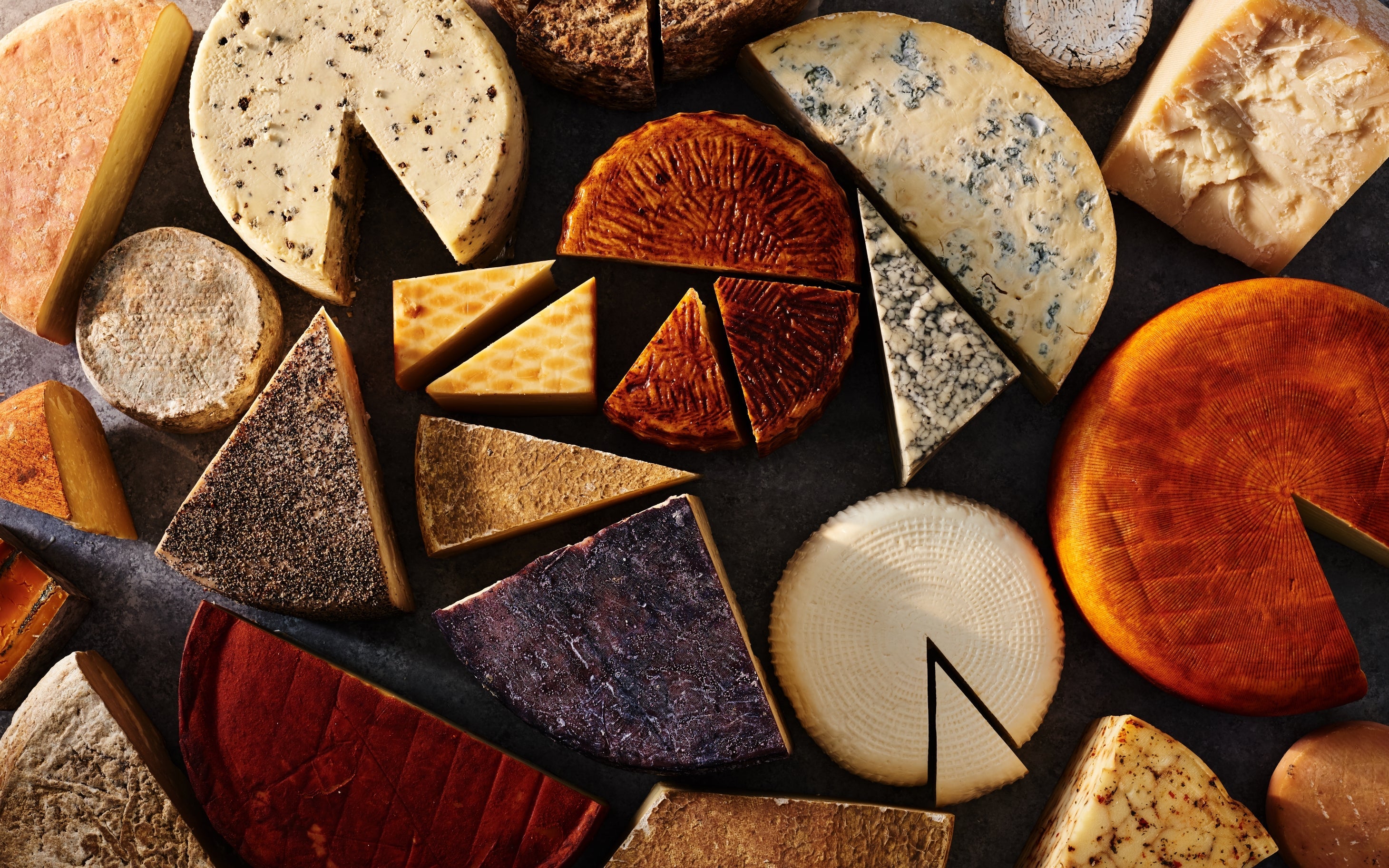
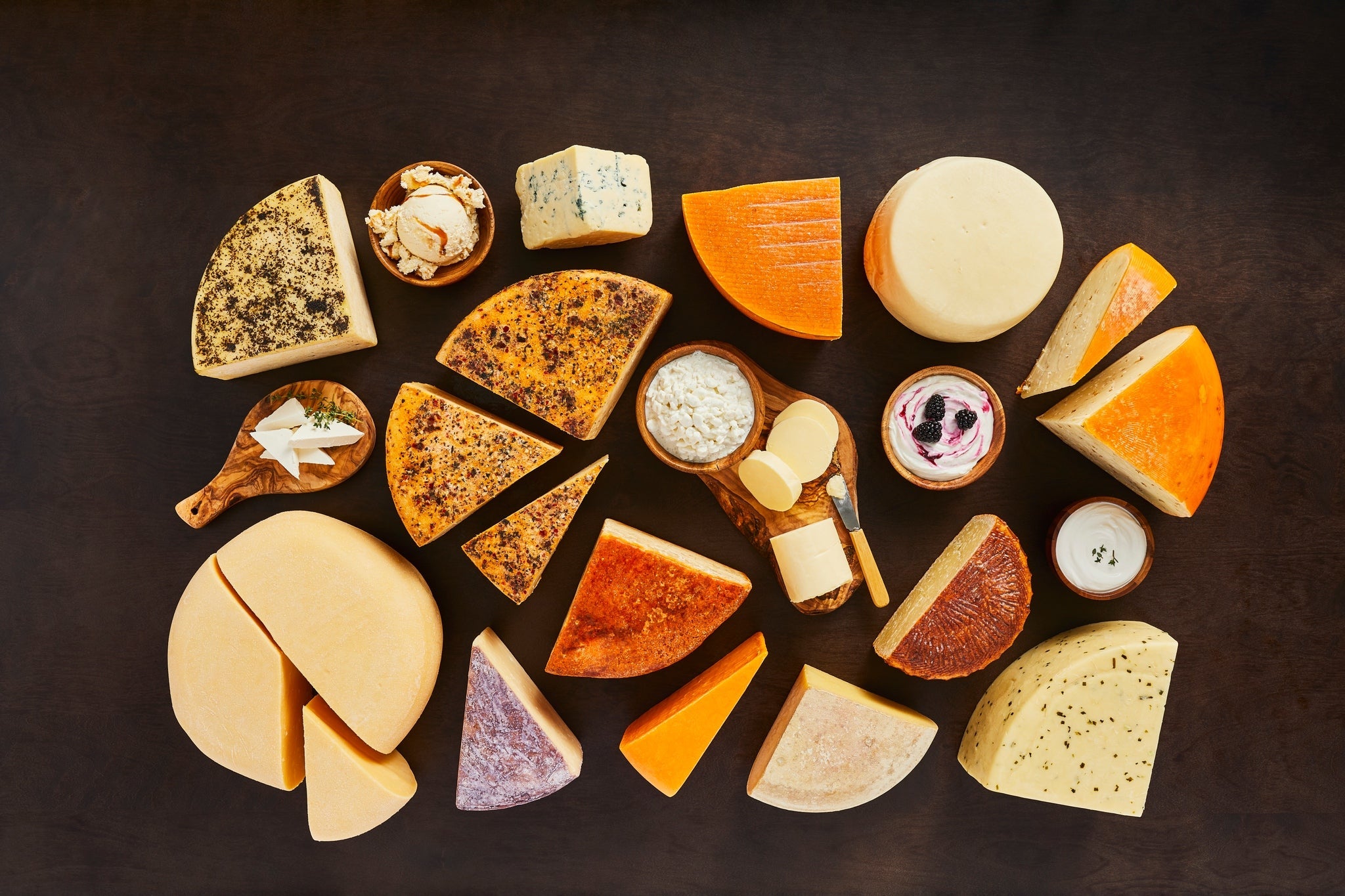
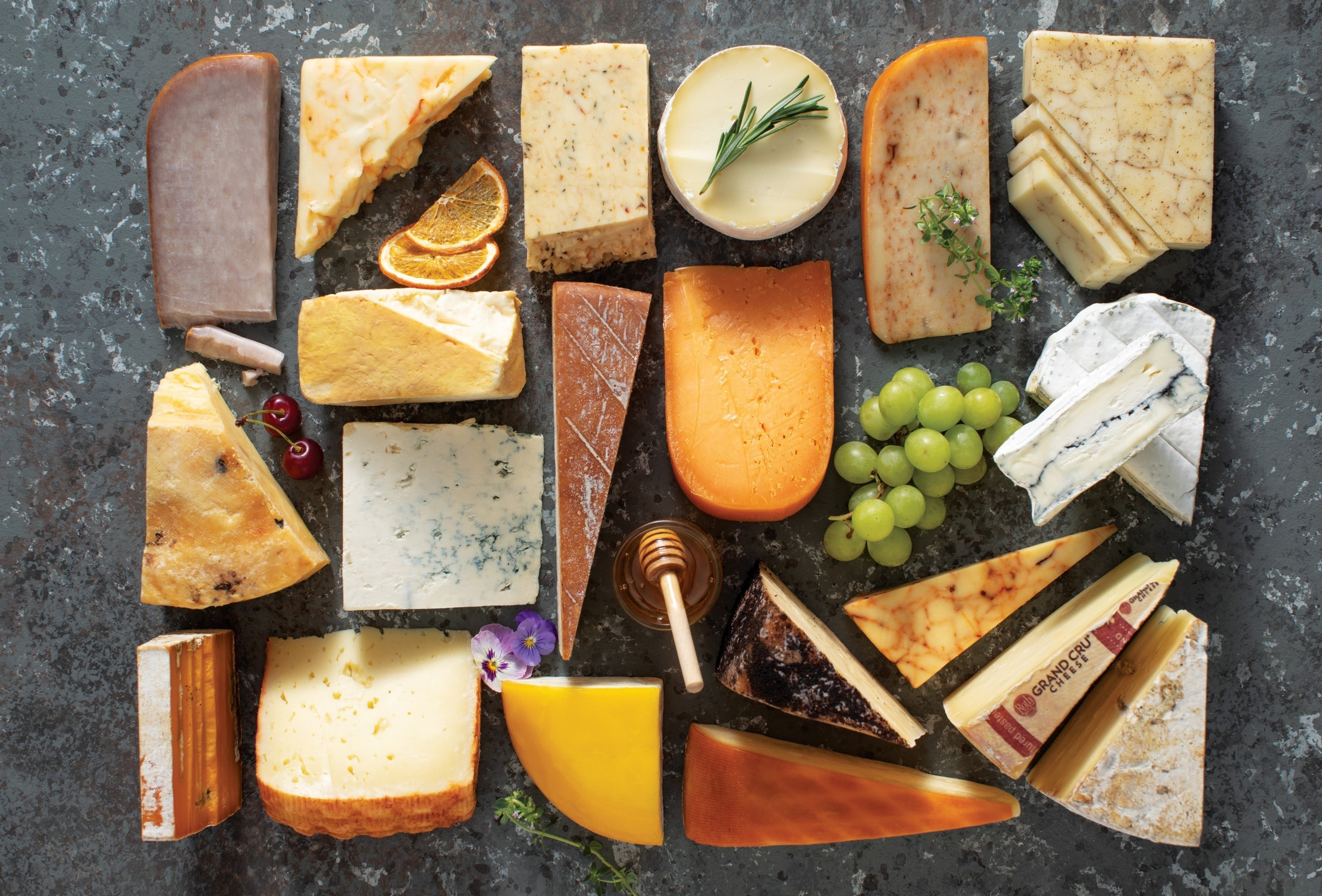


Various cheese types arranged on wooden board with a clipboard next to them
Most college students don't know how much cheese can teach them. You can start with cheddar and mozzarella, which are known cheeses, and then move on to bolder flavors. Knowing your cheeses makes you a better cook, helps you eat smarter, and teaches you cool stuff about other cultures.
Starting with Mild Varieties
Learning starts with mild cheeses. Mozzarella, mild cheddar, and Monterey Jack have subtle flavors. These work in recipes students already make.
Mozzarella melts smoothly for pizza and pasta. Fresh mozzarella has a delicate, milky taste. Aged mozzarella develops slightly sharper notes.
Mild cheddar brings a creamy texture to sandwiches. The aging stays short, typically under three months. This creates a mild flavor without sharpness.
Monterey Jack melts easily and pairs well with other ingredients. Students use it for nachos and grilled cheese. The buttery flavor is super versatile - it plays nicely with pretty much anything without stealing the show.
Document Your Cheese Experience
Students who are getting into all the different cheese types usually keep a little journal to jot down what they taste. Scribbling quick notes about the flavor, texture, and what it would vibe with is a super easy way to remember everything later. Some students working on food science presentations can use do my project for me assistance when sorting out all their cheese notes and data. Detailed description improves understanding of how aging and milk types affect flavor. Building this reference helps when planning meals or shopping on a budget.
You'll remember which varieties work best for specific recipes. This knowledge makes grocery trips more efficient. Your notes become a personal guide to cheese selection.
Moving to Medium-Strength Cheeses
Medium-strength cheeses bridge familiar and bold flavors. Sharp cheddar, Swiss, and Gouda fall here. These introduce more complex tastes.
Sharp cheddar ages six to twelve months. Extended aging creates a tangier flavor. Sometimes, crystals form, which makes the texture nicer.
Swiss cheese has holes from carbon dioxide during aging. The nutty, slightly sweet flavor works hot or cold. Gruyère offers a richer taste for cooking.
Gouda ranges from young to aged varieties. Young Gouda tastes mild and creamy. Aged Gouda develops caramel notes and crystalline texture.
Understanding Basic Cheese Science
Cheese production uses controlled bacterial fermentation. Bacteria convert milk sugars into lactic acid. This affects texture, flavor, and preservation.
Different milk types create distinct characteristics. Cow's milk produces familiar cheeses. Goat's milk creates tangy flavors. Sheep's milk makes rich, creamy cheese.
Aging duration impacts final flavor. Fresh cheeses like ricotta taste mild. Aged cheeses develop intensity over months. Longer aging concentrates flavors and changes texture.
Clean ingredients matter for quality. Milk from healthy animals produces better flavor. Simple ingredient lists indicate traditional methods.
Looking into Strong Varieties
Strong cheeses are a test for your growing taste buds. Hard cheeses like blue cheese and aged cheddar have strong tastes. These greatly increase your knowledge of cooking.
Blue cheese contains cultures creating distinctive veining. Roquefort is made from sheep's milk and is aged in caves. Gorgonzola is a softer introduction. Stilton has a creamy texture and a strong taste.
Aged cheddar gets better over the course of 12 to 24 months or more. The sharpness gets stronger over time according to sensory research on cheddar ripening . Some last three to five years, which makes the texture of the crystals very complicated.
Parmesan cheese matures for a long time to get a strong flavor. Parmigiano-Reggiano can be aged for at least 12 months, although it is more common for it to be aged for 24 to 36 months. As it gets older, the nutty flavor gets stronger.
Practical Tasting Tips
Room temperature allows full flavor expression. Cold cheese mutes taste and texture. Start with mildest varieties and progress to strongest.
Notice texture alongside flavor. Some feel creamy, others crumbly or firm. Texture affects cooking use differently.
Consider these during tasting:
-
Initial flavor impression
-
Texture and mouthfeel
-
Aftertaste duration
-
Aroma before tasting
-
Saltiness level
-
Fat content perception
Pairing Cheese with Foods
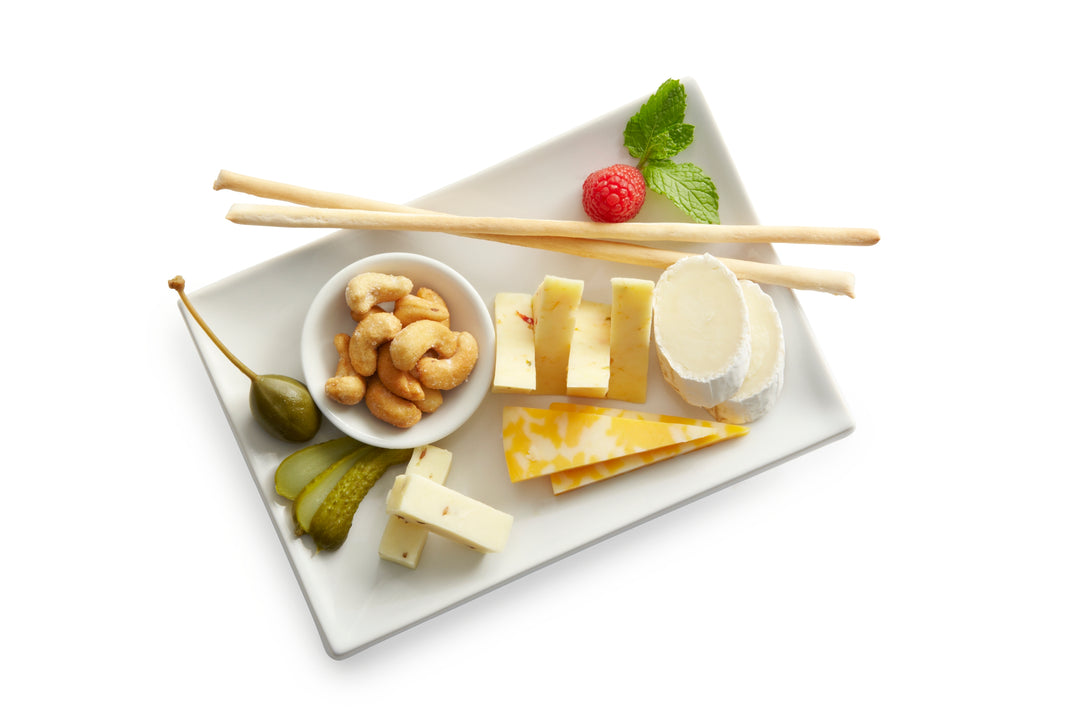
Fresh fruits complement rich cheeses well. Apples and pears work with cheddar. Grapes pair with most varieties.
Nuts provide textural contrast. Walnuts match blue cheese perfectly. Almonds suit milder types. Cashews pair with creamy cheeses.
Bread and crackers carry cheese while adding character. Plain crackers showcase cheese flavor. Seeded crackers add complexity.
Shopping on a Budget
College budgets limit expensive purchases. Buy smaller quantities of multiple types. Deli counters sell by weight, allowing small portions of several varieties.
Store brands often match name-brand quality. Compare ingredient lists rather than packaging. Simple, clean ingredients indicate good production methods.
Sales make premium cheese accessible. Stock up on favorites when prices drop. Hard cheeses freeze reasonably well for later use.
Building Cooking Skills
Each variety behaves differently under heat. Soft cheeses melt quickly for sauces. Hard cheeses require grating first.
Some separate when overheated. Low temperatures prevent this problem. Adding cheese at cooking's end preserves texture.
Try substitutions in familiar recipes. Use Gruyère instead of cheddar in mac and cheese. Try aged Gouda on pizza for different flavor profiles.
Applying Your Knowledge
Understanding varieties serves practical purposes beyond tasting. Shopping becomes more informed and efficient. You recognize quality indicators and make better decisions.
Cooking improves through ingredient knowledge. Knowing which cheeses melt well helps recipe selection. This reduces waste and failed dishes.
Nutrition awareness develops through reading labels. Cheese provides protein and calcium but varies in fat content. Understanding differences supports healthy eating within your budget and dietary needs.
Leave a comment