



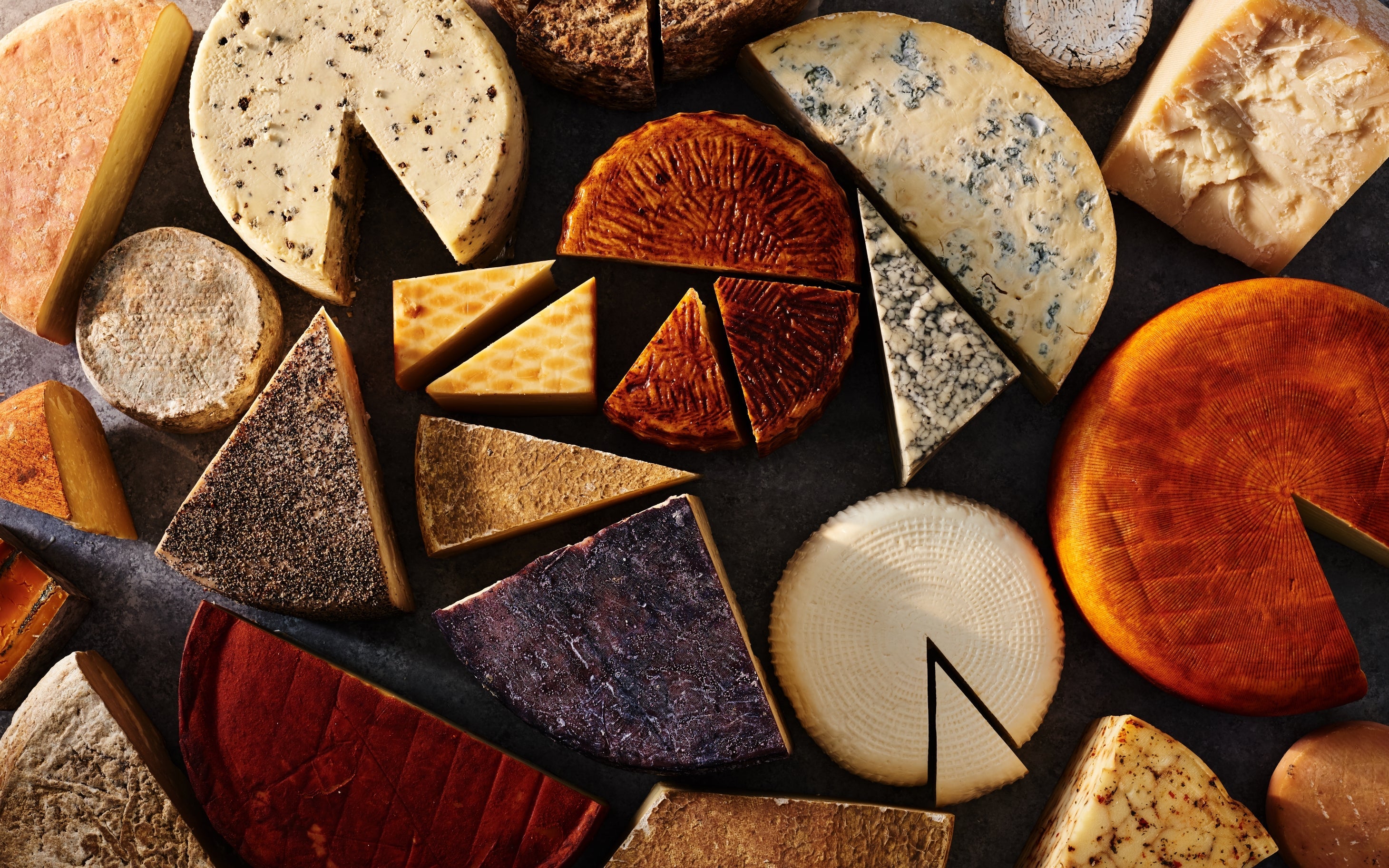
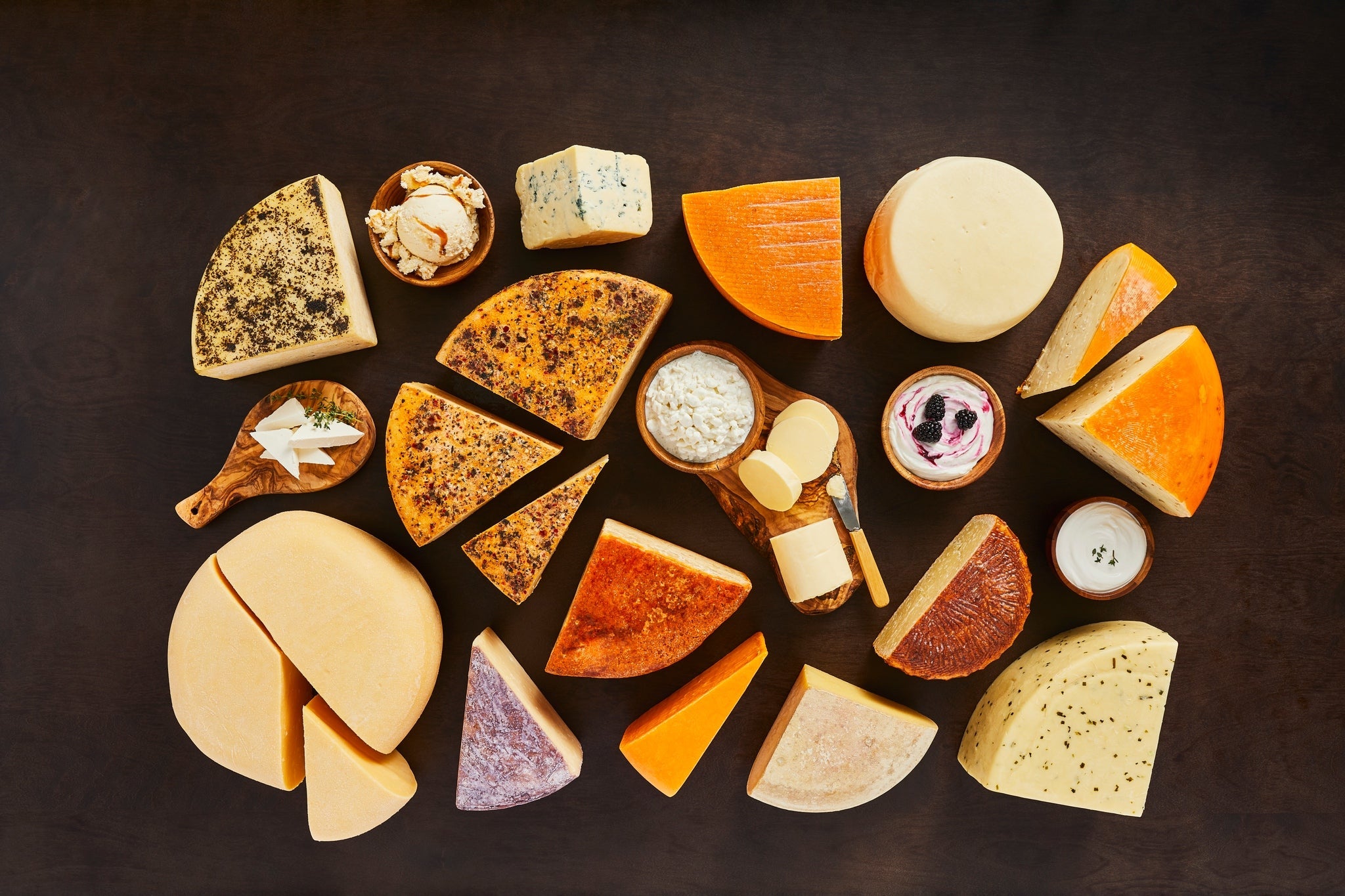
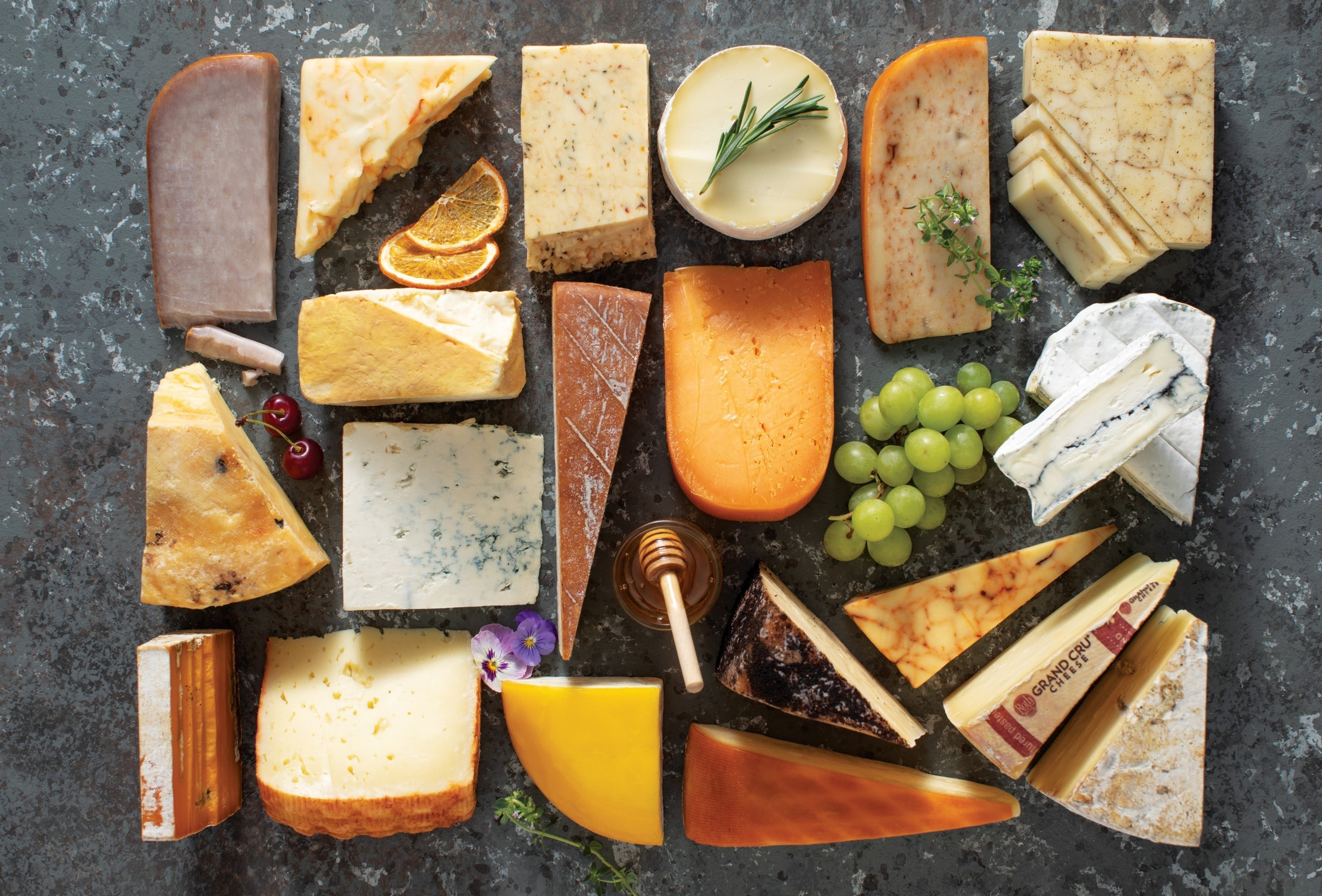

Cheese is a versatile and beloved ingredient that finds its way into numerous dishes and snacks. The world of cheese can be broadly categorized into two types: aged cheese and fresh cheese. Understanding the differences between these two can help you make informed dietary choices, especially if you lead an active lifestyle.
Aged cheese, also known as matured cheese, undergoes a ripening process that can last from a few months to several years. This process significantly alters its texture, flavor, and nutritional content, which can play a role in body transformation when consumed mindfully. Some popular aged cheeses include cheddar, gouda, and parmesan. These cheeses are known for their robust taste and firmer texture.
On the other hand, fresh cheese is consumed shortly after production without undergoing an aging process. It tends to be softer and milder in flavor, with options like mozzarella, ricotta, and feta. These cheeses are often used in salads, sandwiches, or as toppings, offering a light and creamy taste.
Nutritional Breakdown: Aged vs. Fresh Cheese
When comparing the nutritional profiles of aged and fresh cheeses, it's essential to consider both the macronutrients and micronutrients they offer, especially if weight loss is one of your goals. While both types of cheese provide essential nutrients, the differences in their composition can impact your dietary choices.
Aged Cheese:
- Higher Calories and Fat: Aged cheese typically contains more calories and fat per serving. This is due to the reduction of moisture content during the aging process, concentrating the nutrients.
- Richer in Calcium: The aging process enhances the calcium content, making aged cheese a good source of this essential mineral for bone health, which can help in managing issues like upper back pain.
- Higher Sodium: As aged cheeses often involve added salt, they can be higher in sodium, which is something to consider for those monitoring their salt intake.
Fresh Cheese:
- Lower Calories and Fat: Fresh cheese usually has fewer calories and less fat, making it a suitable choice for those looking to manage their caloric intake.
- More Moisture: The higher moisture content in fresh cheese contributes to its lower calorie density and lighter texture.
- Lactose Content: Fresh cheese tends to have higher lactose levels, which might be a consideration for lactose-intolerant individuals.
Health Benefits of Aged Cheese
Aged cheese offers several health benefits, largely attributed to its nutrient concentration and probiotic content. If you're active and looking to optimize your diet, including aged cheese can be beneficial.
- Rich in Probiotics: The fermentation process in aged cheese supports the growth of beneficial bacteria, which aid digestion and enhance gut health. This can be particularly advantageous for athletes needing efficient nutrient absorption.
- High in Protein: Aged cheese is a good source of protein, essential for muscle repair and growth. Incorporating it into your meals can support recovery after intense physical activity.
- Calcium and Vitamin K2: The increased concentration of calcium, along with vitamin K2 present in aged cheese, supports bone strength and cardiovascular health, crucial for maintaining an active lifestyle.
Health Benefits of Fresh Cheese
Fresh cheese, with its high moisture content and mild flavor, provides distinct health advantages, making it an appealing choice for many health-conscious individuals.
- Lower Caloric Density: Ideal for those managing their weight, fresh cheese offers a filling option with fewer calories. This can help maintain energy balance without compromising on taste.
- Hydration Support: The higher water content in fresh cheese contributes to hydration, an essential aspect for those engaged in regular physical activities.
- Rich in Vitamins: Fresh cheese typically contains essential vitamins such as vitamin A and B-complex vitamins, supporting overall health and energy metabolism.
Taste and Texture: How They Differ
The taste and texture of cheese are critical factors that influence your culinary choices. Aged and fresh cheeses offer unique sensory experiences that can enhance various dishes.
Aged Cheese:
- Complex Flavors: The extended aging process develops intricate flavors that range from nutty to sharp. This complexity makes aged cheese a favorite in gourmet cooking.
- Firm and Crumbly Texture: The reduction of moisture results in a firmer texture, which can be grated or sliced thinly for culinary versatility.
Fresh Cheese:
- Mild and Creamy: Fresh cheese is known for its gentle taste, making it a versatile ingredient in both sweet and savory dishes.
- Soft and Spreadable: The high moisture content gives fresh cheese a smooth, spreadable texture, perfect for toppings and fillings.
Cooking and Pairing: When to Use Each Type
Choosing the right type of cheese for your meals can elevate your culinary creations. Understanding when to use aged vs. fresh cheese will enhance your dishes' flavor and nutritional value.
Aged Cheese:
- Perfect for Grating: Use aged cheese as a flavorful topping for pasta, salads, or casseroles.
- Ideal in Sauces: The strong flavors of aged cheese can enhance savory sauces and dips.
- Pairs with Wine: Complement the bold flavors of aged cheese with a robust red wine for an exquisite pairing.
Fresh Cheese:
- Great for Salads: Add fresh cheese to salads for a creamy texture without overpowering other ingredients.
- Delicious in Desserts: Incorporate fresh cheese in sweet recipes like cheesecakes or fruit tarts for a delicate flavor.
- Pairs with Fruits: Enjoy fresh cheese with fruits like berries or melons for a refreshing and nutritious snack.
The Impact of Aging on Cheese Quality
The aging process not only influences cheese's taste and texture but also affects its overall quality. Understanding these changes can guide you in making the best choices for your diet and lifestyle.
- Flavor Development: As cheese ages, enzymes and bacteria break down proteins and fats, resulting in complex flavors that are absent in fresh cheese.
- Nutrient Concentration: The reduction in moisture content leads to a higher concentration of nutrients like calcium and protein, making aged cheese a nutrient-dense option.
- Texture Changes: Aging alters the structure of cheese, transitioning it from soft and pliable to firm and crumbly, which affects its culinary uses.
Considerations for Active Lifestyles
For those leading active lifestyles, the choice between aged and fresh cheese should align with your nutritional needs and fitness goals. Each cheese type offers distinct benefits that can complement an active regimen.
- Energy Needs: Aged cheese provides more calories and fat, which can be beneficial if you require higher energy intake. Fresh cheese, with lower calories, suits those focusing on weight management.
- Protein Requirements: Both types of cheese offer protein, but aged cheese contains more per serving, supporting muscle maintenance and growth.
- Digestive Health: If you have concerns about lactose intolerance, aged cheese is often better tolerated due to its lower lactose content, thanks to the aging process.
Choosing the Right Cheese for Your Diet
Selecting the right cheese for your diet involves considering your health goals, dietary preferences, and lifestyle. Here are some tips to guide your choice:
- Assess Your Caloric Needs: If you're aiming for weight loss or maintenance, opt for fresh cheese for lower calorie intake. For energy-dense diets, aged cheese is preferable.
- Consider Nutrient Priorities: Prioritize calcium and protein-rich aged cheese if bone health and muscle repair are your focus.
- Mind Dietary Restrictions: For those with lactose sensitivity, aged cheese is a more suitable option due to reduced lactose content.
Conclusion: Making the Healthier Choice
Ultimately, the healthier choice between aged and fresh cheese depends on your individual needs and lifestyle. Both types offer unique benefits that can support an active and balanced diet. By understanding their differences, you can enjoy cheese as a delicious and nutritious part of your meals.



Leave a comment