




From Farmstead to Table: How Artisan Cheesemaking Preserves America’s Culinary Heritage
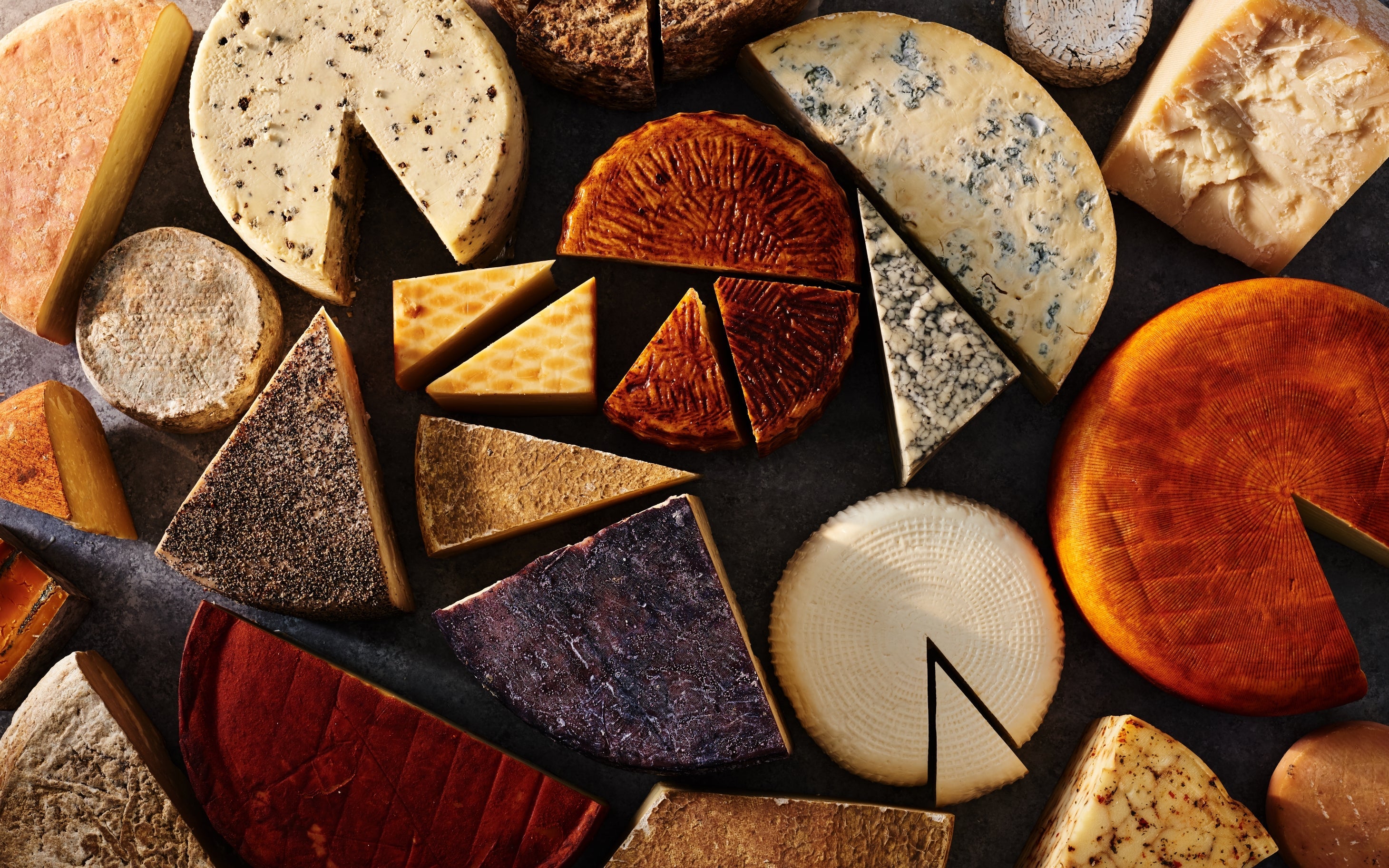
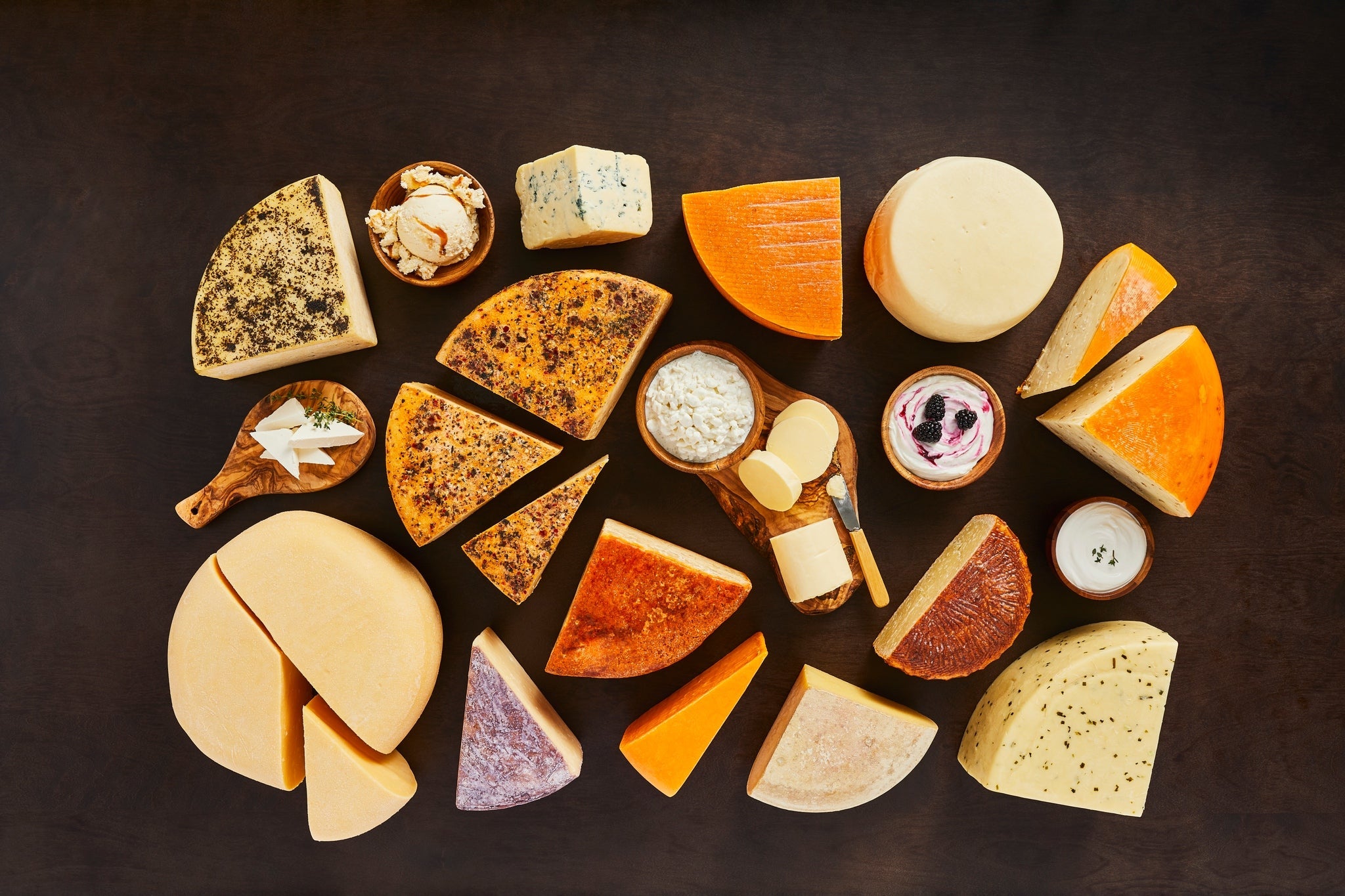
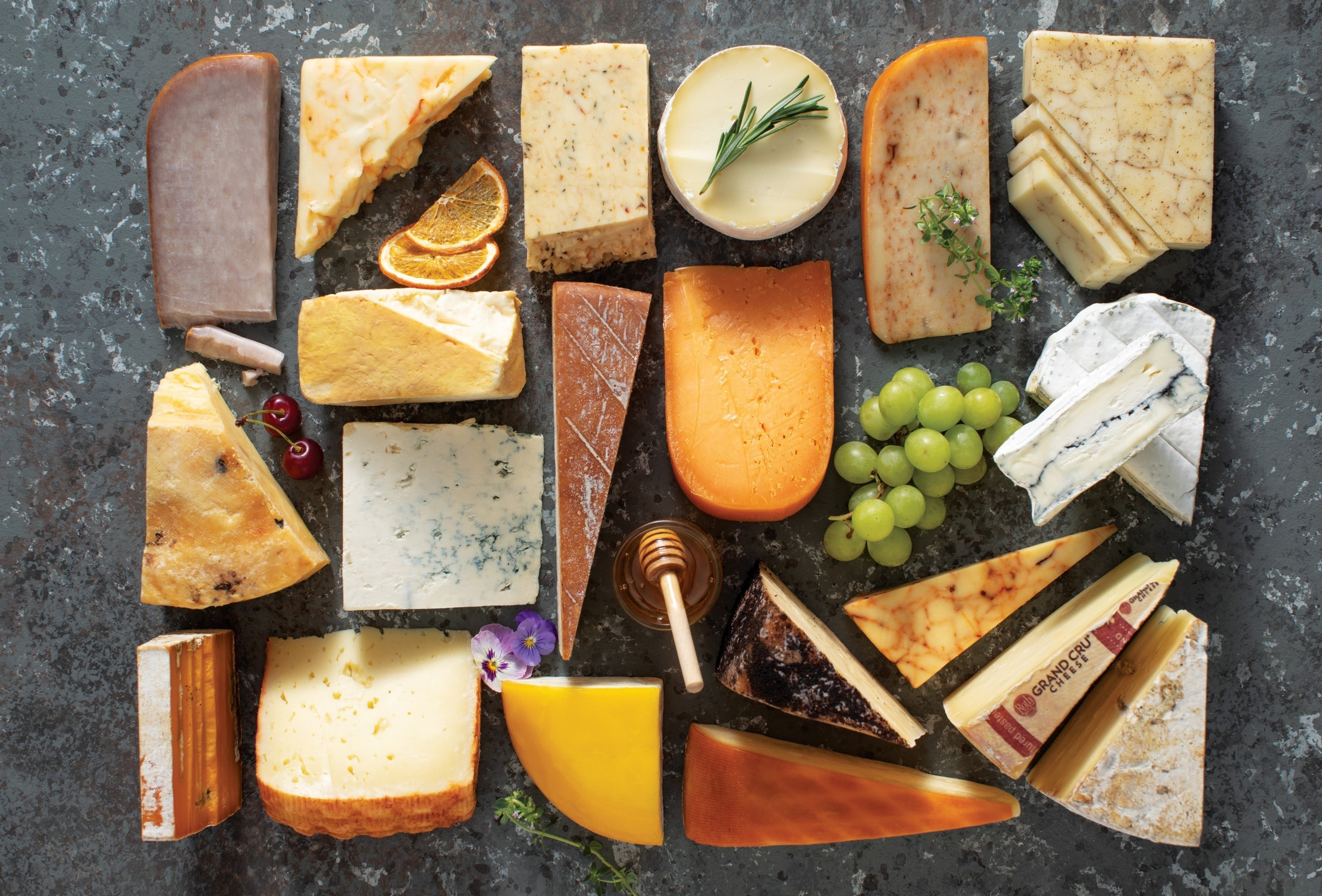
 Assorted artisan cheeses displayed on a rustic wooden table in warm natural light, highlighting handcrafted, farmstead cheesemaking.
Introduction: A Taste of Tradition
The day begins before sunrise on the farm.
Mist drifts across the pastures, and the rhythmic hum of morning chores sets the tone — the soft shuffle of boots on hay, the hiss of milk flowing into steel pails, the earthy scent of fresh cream. Inside the creamery, a cheesemaker leans over a copper vat, stirring slowly, eyes focused. What seems like a simple act — warming milk — is in truth the start of something much deeper: a tradition centuries old, carried forward one batch at a time.
Artisan cheesemaking isn’t just about creating something delicious. It’s about preserving a way of life — a rhythm that honors the land, the animals, and the patient hands that turn fresh milk into something truly remarkable.
Each wheel of cheese tells a quiet story: of local fields, family farms, and skills passed from one generation to the next.
In an age when food often travels thousands of miles and flavors blur into sameness, artisan and farmstead cheesemakers across America are keeping something sacred alive — a connection between people, place, and craft.
They remind us that food can still have a soul — one shaped by care, patience, and a sense of belonging.
And if you enjoy learning about good, honest food, we also share more stories, tips, and everyday inspiration over at Book of Foods. It’s a cozy space for discovering simple, healthy, and delicious ideas — the kind that make eating well feel natural and enjoyable.
The Roots of American Cheesemaking
 Rustic farmhouse table with traditional cheesemaking tools and a small wedge of early-style cheese in warm, natural light.
Long before artisan cheese found its way onto tasting boards and farmers’ market stalls, it began in simple farm kitchens across early America. Settlers from Europe brought their cheesemaking traditions with them — Dutch, Swiss, English, German — each carrying recipes tucked as tightly into memory as family stories. What they shared was a belief that good cheese starts with good milk, and good milk starts with healthy land and animals.
By the 1700s and 1800s, small dairies had become a natural part of rural life. Families milked cows at dawn, warmed fresh cream in iron pots, and shaped curds by hand. Nothing went to waste: butter, cheese, and buttermilk sustained communities through long winters and traveled with pioneers heading west. Cheesemaking wasn’t just a craft — it was survival, culture, and comfort intertwined.
As America grew, different regions began to develop their own cheese personalities.
Wisconsin’s fertile grasslands shaped bold cheddars and creamy colbys.
New England’s cool cellars produced tangy, beautifully aged wheels.
Pennsylvania and the Midwest perfected styles influenced by German and Swiss traditions — mild, buttery, and deeply comforting.
Even as industrialization reshaped the food system, many family dairies quietly held onto the old ways. They kept making cheese the way their grandparents did: with intuition, patience, and ingredients that came from just outside their barn doors.
These roots — humble, hands-on, and deeply local — still shape the spirit of American artisan cheese today. They remind us that great food doesn’t begin in a factory. It begins with people, place, and the stories we choose to carry forward.
The Artisan Revival — Craft Over Quantity
 Handcrafted artisan cheese wheels aging on wooden shelves in warm, natural light.
For much of the 20th century, cheese in America became a story of speed. Bigger factories, faster production, standardized flavors — efficiency ruled the day. Cheese was still loved, of course, but much of its personality was lost in the race to make more, ship farther, and last longer.
Then something quiet but powerful happened.
People began to crave real flavor again — cheese that tasted of place, season, and skill. Home cooks, chefs, and curious eaters started seeking out small dairies at the edges of towns and on winding rural roads. And as this hunger for authenticity grew, a new movement rose up: the American artisan cheese revival.
Unlike industrial cheese, artisan cheese is made by hand — not just supervised by a machine. It starts with fresh, local milk, often from a single herd whose diet changes with the seasons. The milk is warmed gently, curds cut by hand, wheels brushed, turned, and aged with a level of attention that feels almost meditative.
You can taste this care in every bite.
A wheel aged near pine forests carries notes of the surrounding air.
A farmstead cheddar made in late summer captures the richness of fresh pasture.
A brie-style cheese from a small creamery has a bloom and butteriness no machine can mimic.
In a world full of convenience foods, artisan cheesemaking reminds us that slowness has value — that some flavors are worth waiting for. It’s craft over quantity, quality over sameness, and heart over hurry.
And thanks to this revival, America is no longer just a follower in the cheese world. It’s become a place where tradition meets creativity — where every small-batch wheel tells a story written by land, hands, and time.
The Farmstead Philosophy
 Dairy cows grazing on a green pasture in warm natural light with a milk pail nearby, representing farmstead cheesemaking.
If artisan cheesemaking is a craft, then farmstead cheesemaking is its purest expression. It follows a simple but powerful idea: the cheese is made on the very farm where the milk is produced. No trucks, no long-distance hauling — just a few steps from pasture to creamery.
On a farmstead creamery, the story of a cheese begins long before any curds form. It begins in the pasture, where cows graze on grasses that shift with the seasons — fresh clover in spring, sun-warmed hay in summer, richer forage as autumn arrives. These small changes in their diet subtly shape the flavor of the milk, giving farmstead cheeses their distinct personality.
Farmers who practice this philosophy know their herd intimately. They notice which cow loves the sunny corner of the field, which one prefers the quiet shade by the fence, which one gives milk with a naturally sweeter profile. This closeness isn’t sentimental — it’s practical, even essential. Healthy, content animals make better milk, and better milk makes exceptional cheese.
In the creamery, the milk is still warm from the morning milking — alive with natural character. There is no need for heavy processing or aggressive standardizing. Instead, the cheesemaker works with the milk’s natural rhythm: its temperature, its richness, its aroma that morning. Every batch is a conversation between the maker and the land.
A farmstead cheesemaker once described it simply:
“Good cheese starts in the field, not the vat.”
This philosophy preserves values that could easily fade in a fast-paced world: respect for the land, thoughtful stewardship of animals, and a deep belief that food should be honest and connected to the place it comes from.
Farmstead cheese isn’t just farm-to-table — it’s farm-to-soul. A taste of land, lineage, and the quiet care that holds rural America together.
A Hands-On Art
 Close-up of hand-cut cheese curds and rustic cheesemaking tools on a wooden creamery table in warm natural light.
Step inside an artisan creamery at dawn, and you’ll understand immediately: cheesemaking is a craft of the hands long before it becomes a flavor on the tongue.
The air is warm and faintly sweet, carrying the aroma of fresh milk. Curds float in a copper or stainless-steel vat, soft and delicate. The cheesemaker reaches in with a long curd knife, slicing slowly and deliberately — not because tradition demands it, but because only hands can judge the texture perfectly. Some mornings the curds need a gentler touch. Others, they want a firmer cut. Machines can follow instructions, but hands can listen.
From here, the process becomes almost meditative.
Curds are stirred, warmed, rested. They’re scooped into molds, pressed, salted, and turned — each step guided by feel, sight, even sound. An experienced cheesemaker will tap a wheel and hear a hollow note that says it’s ready to age. It’s a skill passed down quietly, learned not by textbook but by rhythm.
Aging rooms, too, have their own heartbeat. Shelves lined with wheels breathing slowly in the cool air. Some are brushed regularly to encourage a natural rind. Others are washed with brine or local beer to deepen their character. In these rooms, time itself becomes an ingredient — working slowly, imperceptibly, until each wheel finds its perfect balance.
There’s beauty in how unhurried it all is.
In a world obsessed with convenience, artisan cheesemaking insists on patience. It proves that good food isn’t just produced — it’s nurtured.
Every wheel that reaches a customer’s table carries fingerprints of craft, care, and countless small decisions made by someone who understands cheese as a living thing. This hands-on art is more than tradition — it’s a way of tasting humanity in its most honest form.
Community, Connection & Culinary Heritage
 Rustic market table with artisan cheeses, bread, and local farm goods, evoking community and culinary heritage.
Artisan cheesemaking doesn’t happen in isolation.
It begins on a single farm, yes — but its impact stretches far beyond the creamery walls. In many rural towns, small-batch creameries are more than businesses; they are anchors of community, gathering places, and quiet keepers of regional identity.
When you buy a handcrafted cheese from a local farm, you’re supporting more than one maker. You’re helping uphold a network of small dairy farmers, hay growers, beekeepers, millers, and local markets. Every wheel carries the work of dozens of hands — people who wake early, who know their land, and who take pride in nourishing their neighbors.
Farmers’ markets and small shops are often the heart of this connection. A cheesemaker behind the table isn’t just selling; they’re sharing stories: how the milk tasted sweeter this spring, how a new batch aged unexpectedly beautifully, how the cows are grazing on richer fields after a rainy summer. These stories are as much a part of the cheese as the milk itself.
And beyond commerce, artisan cheese helps preserve America’s culinary heritage — the flavors that shaped generations. From rustic farmhouse cheddars to mild, buttery styles influenced by German and Swiss immigrants, each cheese carries echoes of the people who brought their traditions to the United States and adapted them to new land and climate.
Perhaps that’s why tasting an artisan cheese can feel so deeply grounding. You’re not just enjoying a food; you’re experiencing a place, a history, a community — all condensed into one bite.
For many families, visiting a local creamery becomes a tradition of its own. Kids peer into aging rooms with wide eyes, adults sample cheeses they’ve never tried before, and everyone leaves with a feeling that food can still connect us in simple, meaningful ways.
Artisan cheese reminds us that heritage isn’t stored in museums.
It’s preserved in kitchens, on farm tables, and in the hands of people who keep old practices alive because they matter.
From Farmstead to Your Table
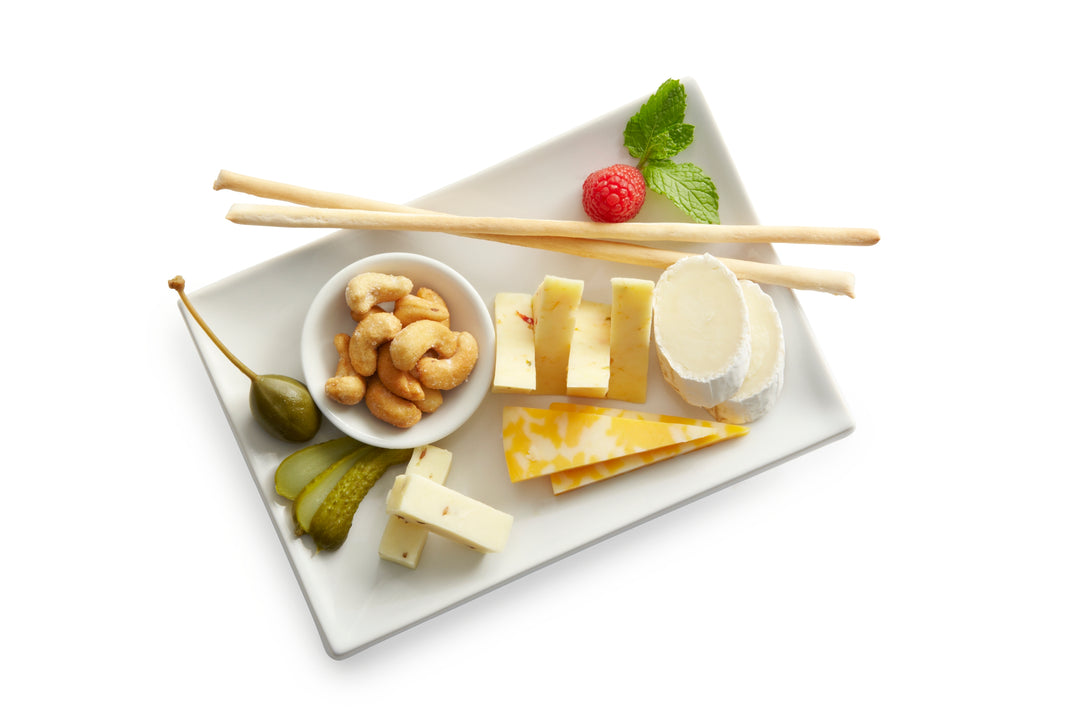
 Artisan cheese board with assorted cheeses, fruit, and bread on a rustic wooden table in warm natural light.
There’s something special about bringing artisan cheese into your own home.
Maybe it’s the story behind it — the cows grazing at sunrise, the careful hands shaping curds, the quiet patience of aging rooms. Or maybe it’s the simple pleasure of tasting something made with intention. Either way, artisan cheese has a way of turning an ordinary meal into a small moment worth remembering.
Enjoying it doesn’t require a chef’s skill. Start with the basics:
A freshly baked loaf, a drizzle of local honey, a few slices of crisp apple, or a spoonful of fruit preserves. These simple pairings highlight the cheese’s natural character — the tang of a farmstead cheddar, the buttery bloom of a soft-ripened wheel, or the nutty depth of an aged alpine-style cheese.
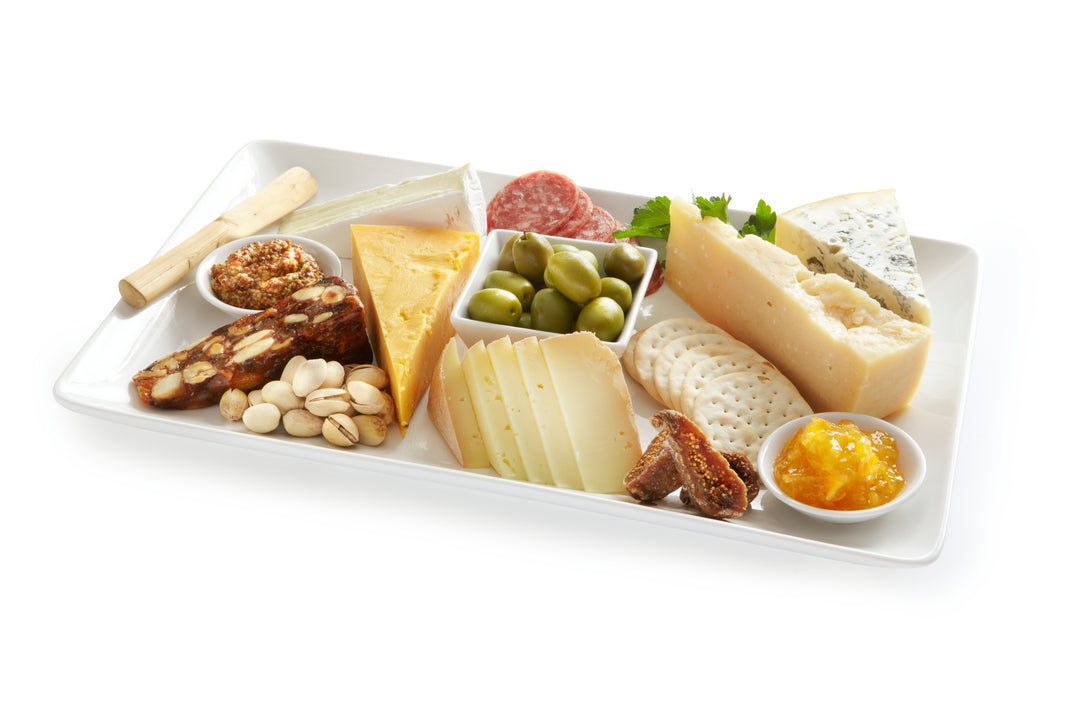
Hosting friends? Create a cheese board that tells a story.
Mix a few styles — mild, aged, creamy — and add touches that reflect the season: roasted nuts in autumn, berries in summer, warm bread in winter. Each bite becomes a small exploration of flavor, craftsmanship, and place.
And if you’re curious to learn more about artisan food culture or want inspiration for serving, tasting, or pairing, you can always wander over to Book of Foods, a cozy corner of the internet where we share ideas for eating well, living simply, and savoring real ingredients.
Whether you enjoy your cheese quietly on a Tuesday evening or set out a board for a celebration, every wedge carries a little bit of the farm with it — a reminder that real food still comes from real places, made by real people who care.
From our farmstead to your table, it’s more than a product.
It’s a connection — honest, flavorful, and beautifully human.
Preserving Heritage, One Wheel at a Time
 Aged artisan cheese wheel resting on a wooden shelf in a rustic aging room, symbolizing tradition and heritage.
In every artisan wheel, there’s a quiet legacy at work — generations of knowledge, the rhythm of farm life, and the steady hands of people who still believe that good food takes time. Artisan and farmstead cheesemakers across America aren’t just producing cheese; they’re preserving a piece of our shared culinary heritage.
From the morning milking to the slow patience of aging rooms, every step reflects a commitment to honesty, land, and tradition. These cheeses remind us that flavor can be real, place-driven, and deeply characterful — not something created by shortcuts, but something shaped by seasons, care, and craft.
When you choose artisan cheese, you become part of that story.
You help keep small farms thriving, sustain rural communities, and support the kind of craftsmanship that might otherwise fade into memory.
And as you savor a wedge of cheddar or a creamy soft-ripened wheel at your own table, you’re tasting more than just cheese. You’re tasting time. You’re tasting landscape. You’re tasting the heart of the people who make it.
So here’s to slow food, honest work, and traditions worth keeping.
One wheel, one farm, one shared table at a time.
Leave a comment