




Flavor Begins Long Before the First Bite

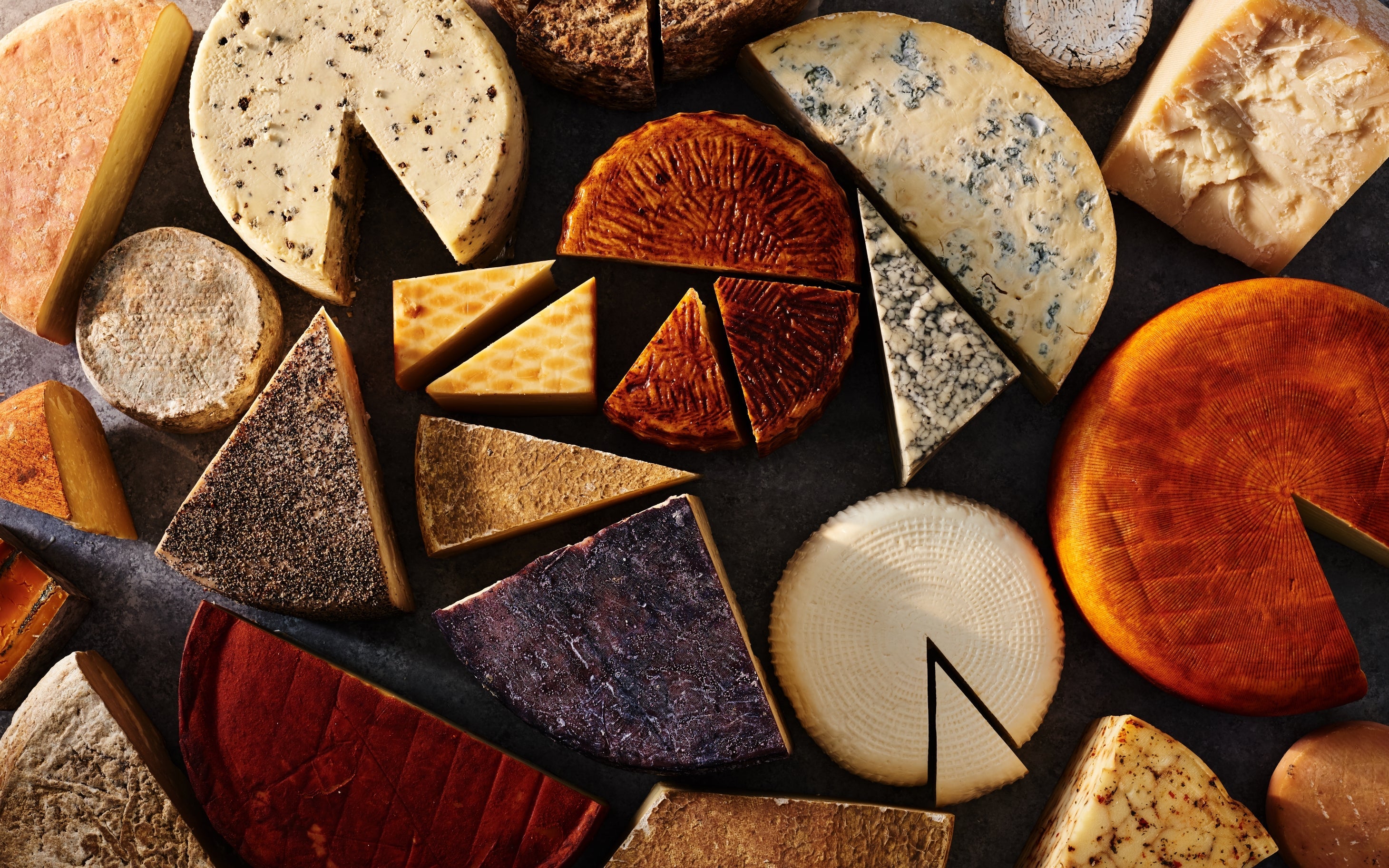
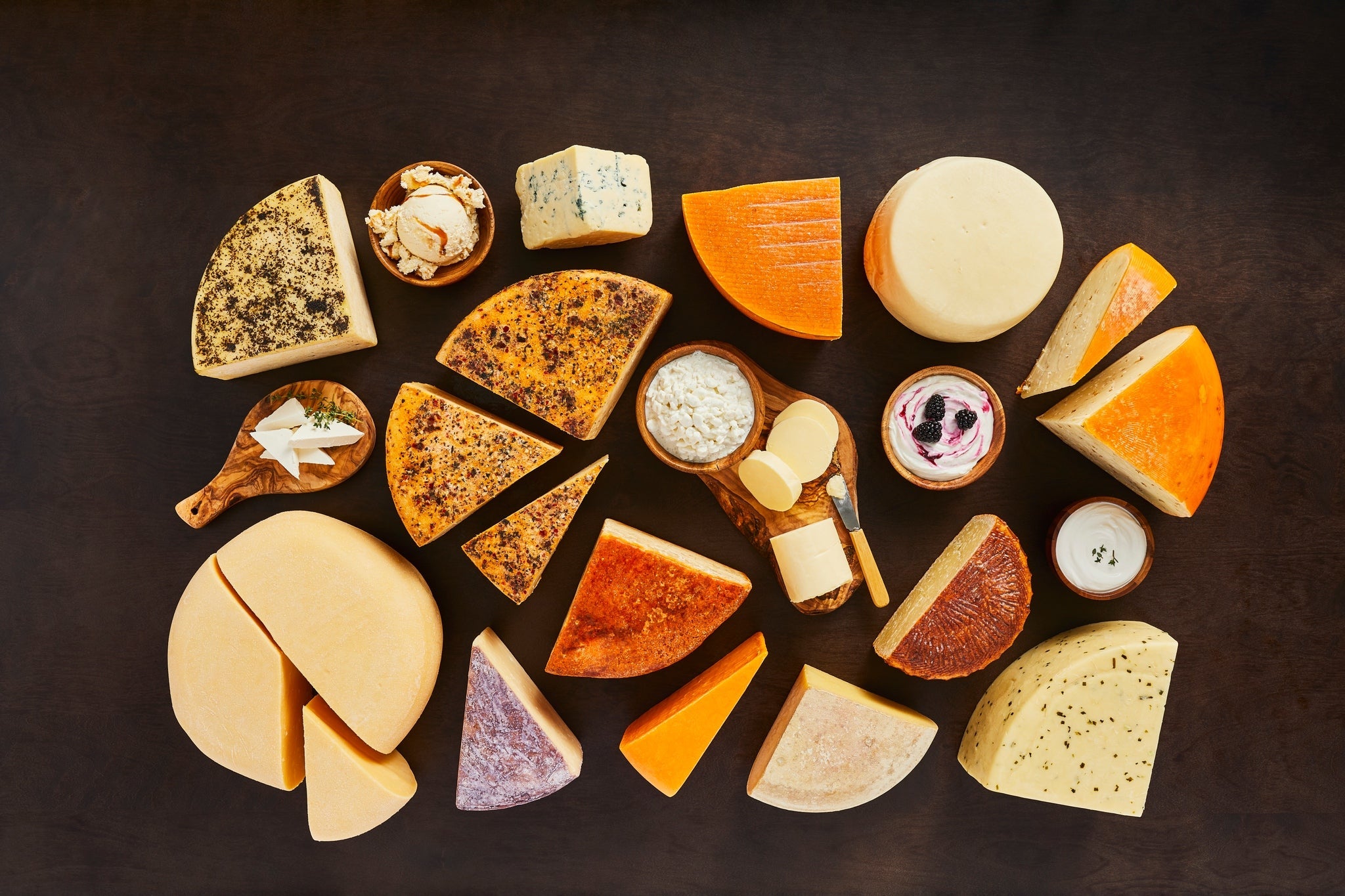
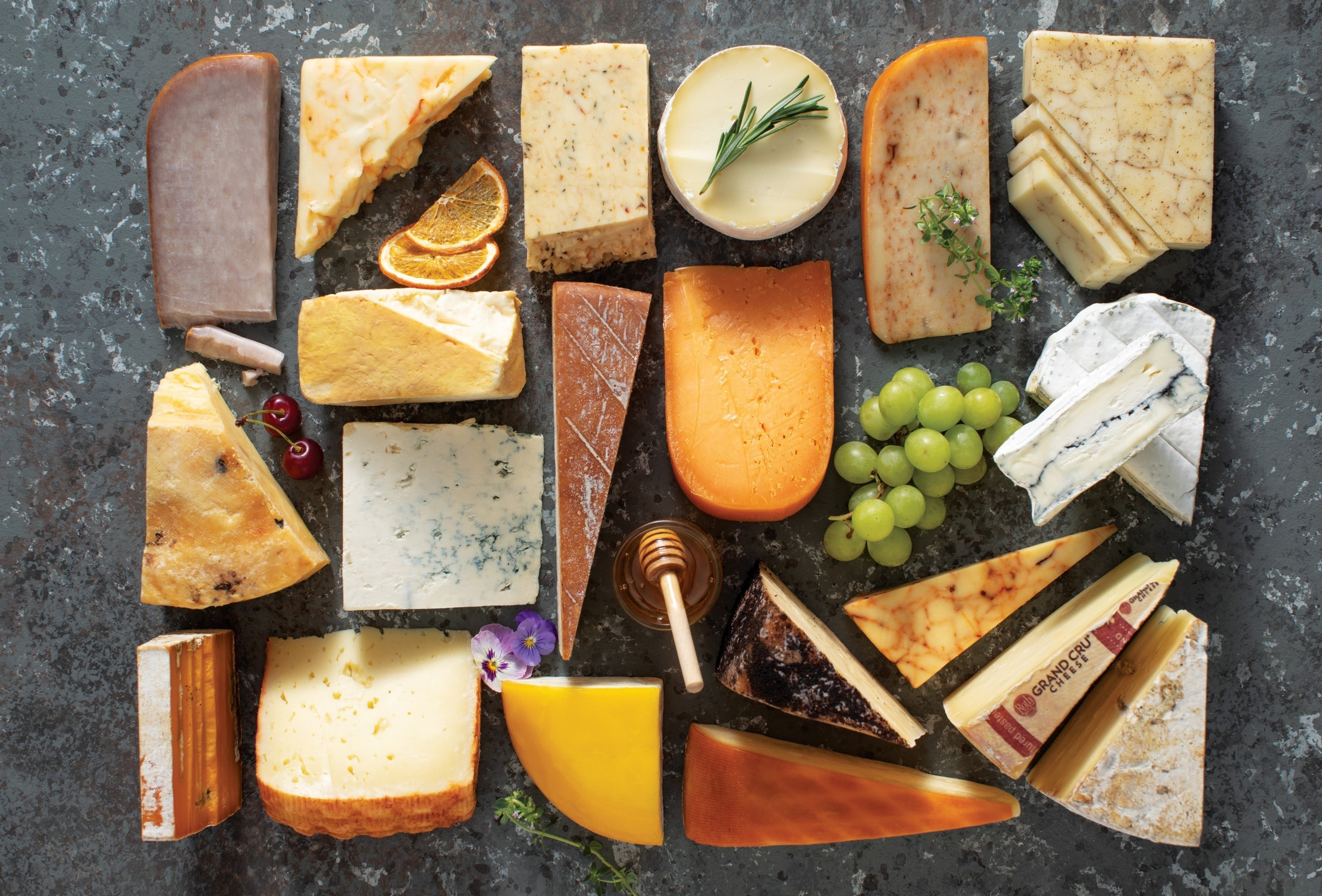
There’s a moment that happens just before artisan cheese is tasted — the quiet pause as the knife breaks the rind. Aromas rise. Texture reveals itself. And suddenly, it’s clear that this cheese has a story far deeper than its surface.
Artisan cheese doesn’t get its flavor by accident. Every wheel carries the imprint of countless choices made long before it ever reached a cheese board: the animals, the land they graze on, the microbes in the air, the hands that shaped and cared for it, and the time it was allowed to become itself. Flavor, in this world, is not engineered — it’s cultivated.
At Keystone Farms Cheese, that philosophy is central. Artisan cheese is understood not just as a product, but as a process — one where patience, place, and craft work together to create something expressive and alive. It’s the reason no two wheels are ever exactly the same, and why discovering a new cheese can feel like uncovering a story rather than checking off a flavor.
We often explore similar food stories at https://bookoffoods.com, where ingredients are treated as narratives shaped by culture, tradition, and care. Cheese, perhaps more than any other food, embodies this idea beautifully.
Behind every rind lies a quiet collaboration between nature and maker. From the milk chosen at the very beginning to the environment in which a cheese matures, each step leaves a mark on flavor. Some influences are visible, others invisible — but all of them matter.
In this article, we’ll step behind the rind to explore what truly shapes the flavor of artisan cheese. Not formulas or shortcuts, but the living elements that make each piece unique — and worth slowing down for.
Milk Matters: The Foundation of Flavor

Before cultures are added, before rinds begin to form, before time works its quiet magic, cheese is already becoming itself through milk. More than any other ingredient, milk determines the direction a cheese will take — its depth, complexity, and character.
Artisan cheesemakers often say that great cheese can never be better than the milk it comes from. And that’s not a romantic exaggeration; it’s a practical truth.
The Animal Makes a Difference
Not all milk is created equal. Cow, goat, and sheep milk each bring their own personality to cheese:
-
Cow’s milk tends to be mild, creamy, and versatile, allowing subtle flavors from aging and rind development to shine.
-
Goat’s milk often carries a brighter, tangier profile with herbal or mineral notes that feel lively on the palate.
-
Sheep’s milk is naturally rich in fat and protein, producing cheeses that are dense, sweet, and deeply satisfying.
Even within the same species, breed matters. Some breeds produce milk with higher butterfat, others with more protein — small differences that translate into big flavor shifts.
Diet, Season, and Freshness
What animals eat shapes what we taste.
Milk from animals grazing on fresh pasture often reflects:
-
Grassy, floral, or nutty notes
-
Greater complexity during spring and summer months
-
Subtle seasonal variation that artisan cheesemakers welcome rather than erase
In contrast, winter milk may lead to cheeses that are rounder, calmer, and more restrained. These seasonal rhythms are part of what makes artisan cheese feel alive.
Freshness matters too. Milk used shortly after milking preserves delicate flavors and supports healthier cultures, giving cheesemakers a stronger foundation to build on.
Raw vs. Pasteurized Milk
One of the most talked-about distinctions in artisan cheese is raw versus pasteurized milk.
-
Raw milk cheeses retain native bacteria and enzymes, which can contribute to greater complexity and nuance as the cheese ages.
-
Pasteurized milk cheeses offer more consistency and control, allowing cheesemakers to shape flavor with precision through cultures and technique.
Neither approach is inherently better. They simply offer different paths to flavor — one leaning toward wild expression, the other toward refined balance.
Milk as a Living Ingredient
Milk isn’t static. It changes daily, influenced by weather, stress, feed, and environment. Artisan cheesemakers work with this variability rather than against it, adjusting techniques to honor what the milk offers in each moment.
In artisan cheese, milk isn’t just an ingredient — it’s the opening chapter.
By the time milk becomes curd, much of the cheese’s story has already been written. Everything that follows builds on this foundation.
Terroir: How Place Leaves Its Mark
 If milk is the foundation of flavor, terroir is its accent.
Borrowed from the world of wine, the idea of terroir describes how a specific place — its land, climate, and environment — leaves a recognizable imprint on what we taste. In artisan cheese, terroir is quieter than in wine, but no less powerful. It’s present in subtle aromas, lingering aftertastes, and the way a cheese feels on the tongue.
The Land Beneath the Hooves
Everything begins with the ground animals graze on.
Soil composition affects the grasses, herbs, and wild plants that grow in pastures. Those plants, in turn, shape the milk — not in obvious flavors, but in nuance:
-
A gentle sweetness
-
A mineral edge
-
A faint herbal note that’s hard to name but easy to notice
Cheese made from milk produced on limestone-rich land may feel different from cheese rooted in clay or volcanic soil. These distinctions are rarely dramatic, but they accumulate over time, giving regional cheeses their unmistakable identity.
Climate Shapes Rhythm and Flavor
Weather patterns influence more than comfort — they guide the entire cheesemaking cycle.
Temperature, rainfall, and sunlight affect:
-
Pasture growth
-
Animal behavior
-
Milk composition throughout the year
Cool, damp regions often produce cheeses with earthy, mushroom-like qualities, while warmer, sunnier climates may yield milk that translates into rounder, sweeter cheeses. These aren’t rules, but tendencies — and artisan cheesemakers learn to read them carefully.
Native Microbes: The Invisible Signature
Terroir isn’t just about what’s visible.
Each region has its own community of native microbes — bacteria, yeasts, and molds present in the air, on surfaces, and in aging spaces. Over time, these microorganisms become part of a cheesemaker’s environment, subtly influencing how cheeses develop.
This is why cheeses made using similar methods can taste strikingly different depending on where they’re produced. Place leaves fingerprints that can’t be fully replicated elsewhere.
Why Terroir Can’t Be Standardized
Industrial cheesemaking often aims to minimize variation. Artisan cheesemaking embraces it.
Rather than flattening differences, terroir allows cheese to:
-
Reflect its origin
-
Change slightly from season to season
-
Tell a story of time and place
Terroir reminds us that flavor isn’t designed — it’s revealed.
Understanding terroir adds depth to the experience of eating cheese. It turns tasting into listening, and appreciation into curiosity.
Cultures & Microbes: The Invisible Flavor Makers
 While milk and place set the stage, it’s cultures and microbes that bring artisan cheese fully to life. They’re invisible to the eye, but their work is unmistakable — shaping aroma, texture, and flavor in ways no human hand could replicate alone.
Cheese, at its heart, is a collaboration between people and microorganisms.
Starter Cultures: Guiding the First Transformation
The journey begins with starter cultures — carefully selected bacteria added to milk to begin fermentation.
These cultures:
-
Convert lactose into lactic acid
-
Help curds form properly
-
Set the initial direction for flavor development
Different cultures encourage different outcomes. Some produce clean, mild profiles. Others lean toward tangy, buttery, or complex notes. Choosing a starter culture is one of the most intentional decisions a cheesemaker makes, and it quietly influences everything that follows.
Secondary Cultures and Surface Life
As cheese ages, additional microbes often enter the picture.
These can include:
-
Bacteria that soften texture from the outside in
-
Yeasts that prepare the surface for mold growth
-
Molds that create bloomy or blue rinds
Each group plays a role in breaking down proteins and fats, releasing aromatic compounds that define a cheese’s personality. This is why two cheeses made from the same milk can taste dramatically different depending on which microbes are allowed to flourish.
Natural vs. Controlled Microbial Environments
Some artisan cheesemakers rely on wild, naturally occurring microbes, cultivated over years in their aging spaces. Others introduce specific cultures to guide flavor more precisely.
Neither approach is more “authentic” than the other. They simply reflect different philosophies:
-
Natural environments tend to produce more variation and unpredictability
-
Controlled cultures offer consistency and clarity
What matters is intention — understanding how microbial life interacts with milk and time.
Microbes and the Rind Relationship
Nowhere is microbial influence more visible than on the rind.
Rinds often host entire ecosystems of bacteria and molds that:
-
Protect the cheese
-
Regulate moisture
-
Shape aroma and flavor as the cheese matures
A washed rind develops its signature pungency because of bacteria encouraged through regular washing. A bloomy rind softens thanks to surface molds that gently transform the paste beneath.
The rind isn’t decoration — it’s active, living flavor.
Why Microbes Create Complexity, Not Chaos
To an outsider, microbial activity might sound risky or uncontrolled. In artisan cheesemaking, it’s the opposite. Cheesemakers learn to read microbial behavior, responding with temperature changes, washing schedules, or aging adjustments to guide development without forcing it.
This dance between control and surrender is what gives artisan cheese its depth.
Flavor as a Living Process
Microbes don’t work once and stop. They evolve over time, continuing to shape cheese long after it leaves the vat. That’s why a cheese can taste different at four weeks than it does at four months — and why timing matters as much as technique.
Understanding cultures and microbes shifts how we think about flavor. Cheese isn’t finished when it’s made. It’s finished when it’s ready.
The Rind: More Than Just a Protective Layer

It’s easy to think of the rind as something you cut away — a wrapper rather than a feature. But in artisan cheese, the rind is anything but an afterthought. It’s active, expressive, and deeply influential, shaping how a cheese smells, tastes, and feels from the outside in.
In many ways, the rind is where milk, microbes, place, and time finally meet.
What a Rind Actually Does
At a basic level, the rind protects the cheese as it ages. But its role goes much further.
A rind:
-
Regulates moisture loss
-
Controls how oxygen reaches the interior
-
Hosts specific bacteria, yeasts, or molds
-
Influences how flavors develop beneath the surface
Rather than sealing a cheese off, the rind manages its relationship with the environment.
Natural Rinds: Letting Time and Place Speak
Natural rinds form gradually, without added molds or coatings. As cheeses are turned and brushed, native microbes settle in, creating a surface that reflects the aging space itself.
These rinds often lead to:
-
Earthy, nutty, or mushroom-like aromas
-
Rustic appearances
-
Flavors that feel closely tied to place
No two natural rinds are exactly alike — even within the same batch — which is part of their appeal.
Bloomy Rinds: Softness and Subtlety
Bloomy rinds, like those found on soft cheeses, are formed by delicate white molds that blanket the surface.
Their effect is transformative:
-
The rind breaks down proteins beneath it
-
The paste softens from the outside inward
-
Flavors become creamy, buttery, and gently tangy
What looks soft and simple on the outside is actually the result of precise microbial balance.
Washed Rinds: Bold, Aromatic, Alive
Washed rinds are among the most expressive in the cheese world.
Through regular washing with brine or other solutions, cheesemakers encourage bacteria that:
-
Produce strong aromas
-
Create deep savory, meaty flavors
-
Add richness and complexity
These cheeses often smell far more intense than they taste — a reminder that aroma and flavor don’t always align the way we expect.
Waxed and Clothbound Rinds: Controlled Aging
Some cheeses are wrapped or sealed to limit external microbial activity.
-
Waxed rinds lock in moisture and slow flavor development
-
Clothbound rinds allow gentle interaction with air while protecting the surface
These approaches give cheesemakers more control over aging while still allowing time to do its work.
Eating the Rind — or Not?
Whether a rind is edible depends on the style of cheese and personal preference.
Some rinds:
-
Add texture and depth
-
Offer contrasting flavors
-
Complete the tasting experience
Others are best left aside. Knowing the difference adds confidence — and curiosity — to the cheese board.
The rind isn’t just where cheese ends. It’s where flavor begins to speak.
Once you start paying attention to rinds, cheese tasting becomes more layered. You notice how the outside shapes the inside, and how surface decisions echo all the way through each bite.
Aging & Time: Patience as an Ingredient
 If milk is the beginning and the rind is the voice, time is the ingredient that brings everything into harmony. Aging doesn’t simply preserve cheese — it transforms it. Quietly, steadily, and often unpredictably.
In artisan cheesemaking, time is not something to control completely. It’s something to work with.
What Happens as Cheese Ages
Once a cheese is formed, salted, and set to rest, a long series of changes begins.
Over time:
-
Proteins break down into softer, more complex structures
-
Fats transform into aromatic compounds
-
Moisture redistributes or slowly evaporates
-
Flavors deepen, sharpen, or mellow
These processes don’t happen all at once. They unfold gradually, often over weeks, months, or even years.
Young vs. Aged: Two Different Expressions
A young cheese often feels:
-
Bright
-
Fresh
-
Milky and clean
As cheese ages, those qualities evolve into:
-
Nutty, savory, or earthy notes
-
Greater depth and length on the palate
-
More pronounced aroma and texture
Neither stage is “better.” They’re simply different expressions of the same cheese at different moments in its life.
The Role of the Aging Environment
Time alone isn’t enough — conditions matter.
Cheesemakers carefully manage:
-
Temperature
-
Humidity
-
Airflow
-
Turning and washing schedules
Even small changes can shift how a cheese matures. Too much moisture, and flavors may blur. Too little, and the cheese may dry out or stall. Aging rooms are living spaces, adjusted constantly in response to how each cheese behaves.
Time Creates Variation, Not Uniformity
One of the most beautiful aspects of artisan cheese is that aging doesn’t produce identical results.
Even within the same batch:
-
One wheel may mature faster
-
Another may develop stronger aromas
-
Texture can vary slightly from wheel to wheel
Rather than correcting these differences, artisan cheesemakers observe them — deciding when each cheese is at its best.
Aging isn’t about waiting for perfection. It’s about recognizing readiness.
Knowing When a Cheese Is Ready
There’s no universal clock for cheese.
Cheesemakers rely on:
-
Touch and feel
-
Aroma
-
Visual cues
-
Experience built over years
A cheese is released not when a calendar says so, but when it tastes like itself.
Time as a Flavor Decision
Choosing how long to age a cheese is one of the most defining decisions a cheesemaker makes. A few extra weeks can shift a flavor from gentle to assertive. A few months can turn subtle sweetness into deep umami.
Time doesn’t just change cheese — it reveals it.
The Cheesemaker’s Hand: Craft, Choice, and Experience
 For all the talk of milk, microbes, rinds, and time, artisan cheese is ultimately shaped by human judgment. Nature provides the materials, but it’s the cheesemaker who listens, responds, and decides when to intervene — and when to step back.
This is where artisan cheese truly separates itself from industrial production.
Craft Is a Series of Small Decisions
Cheesemaking isn’t governed by a single moment of creation. It’s a chain of choices, many of them subtle:
-
When to cut the curd — and how finely
-
How gently or firmly to stir
-
How much moisture to retain
-
When to salt, and how aggressively
-
How often to turn, wash, or brush the cheese
None of these decisions are made in isolation. Each one responds to what the cheesemaker sees, smells, and feels in real time.
Experience Teaches What Recipes Can’t
Recipes matter. So does science. But experience fills the gap between theory and reality.
Milk changes with seasons. Cultures behave differently depending on conditions. Aging rooms have personalities of their own. Over time, cheesemakers develop an intuitive understanding of these variables — recognizing when something needs attention and when it needs patience.
That intuition isn’t guesswork. It’s earned through repetition, observation, and years of tasting.
Knowing When Not to Intervene
One of the hardest skills in artisan cheesemaking is restraint.
There are moments when doing less is the right choice:
-
Letting a rind develop naturally rather than correcting its appearance
-
Allowing a cheese to age longer instead of releasing it early
-
Accepting variation rather than forcing uniformity
This willingness to allow the cheese to express itself is part of what gives artisan cheese its depth and authenticity.
Great cheesemaking is as much about listening as it is about making.
Tradition and Innovation in Balance
Many artisan cheesemakers work within traditions passed down through generations. Others experiment with new cultures, aging techniques, or milk sources. Most do both.
Tradition provides structure. Innovation keeps the craft alive.
The result is a cheese landscape where familiar styles coexist with new interpretations — each shaped by the hands and values of the person making them.
Why the Human Element Matters in Flavor
Two cheesemakers can follow the same steps and still produce cheeses that taste different. That difference isn’t a flaw — it’s the point.
Flavor carries:
-
The maker’s philosophy
-
Their tolerance for risk
-
Their patience
-
Their relationship with the materials
When you taste artisan cheese, you’re not just tasting milk and microbes. You’re tasting decisions.
Why No Two Wheels Are Ever the Same

In the world of artisan cheese, variation isn’t a flaw — it’s a signature. Even when cheeses are made by the same cheesemaker, using the same milk, following the same process, subtle differences always emerge. And that’s not something to correct. It’s something to understand and appreciate.
Nature Doesn’t Repeat Itself Exactly
Milk changes from day to day. Animals respond to weather, feed, stress, and season. Even small shifts in temperature or humidity can influence how milk behaves during cheesemaking.
Those changes might be almost invisible at the start, but over time they leave their mark:
-
Slight differences in texture
-
Variations in aroma
-
Subtle shifts in flavor intensity
Artisan cheesemaking works with these realities instead of flattening them.
Microbial Life Is Dynamic
The communities of bacteria and molds involved in cheesemaking are alive — and living systems are never static.
As cheeses age:
-
Microbes grow, compete, and recede
-
Surface conditions evolve
-
Internal breakdown happens at different speeds
Two wheels aging side by side may mature differently simply because one responds more quickly to its environment than the other.
Time Isn’t Experienced Evenly
Even when cheeses enter the aging room on the same day, they don’t always progress in sync.
One wheel might:
-
Dry slightly faster
-
Develop a more active rind
-
Reach its peak earlier
Another may take more time to fully express itself. Skilled cheesemakers recognize these differences and respond accordingly, sometimes releasing wheels at different moments rather than forcing uniform timing.
Handcrafted Means Individually Handled
Unlike industrial cheese, artisan wheels are:
-
Turned by hand
-
Washed individually
-
Inspected regularly
That individual attention — even when done consistently — introduces gentle variation. Pressure, timing, and touch all leave subtle impressions.
Consistency is a goal in industrial cheese. Character is the goal in artisan cheese.
Why This Variation Matters to the Eater
For the person enjoying the cheese, variation adds depth to the experience.
It means:
-
Each tasting can feel slightly different
-
Seasonal changes become part of the flavor story
-
Familiar cheeses continue to surprise
Instead of a fixed profile, artisan cheese offers a range of expression.
Learning to Taste With Openness
When you approach artisan cheese expecting it to be identical every time, variation can feel confusing. When you approach it with curiosity, variation becomes the reward.
No two wheels being the same is proof that the cheese is alive — shaped by real ingredients, real environments, and real people.
How to Taste Cheese with New Awareness

Once you understand what shapes artisan cheese — milk, place, microbes, time, and human hands — tasting becomes something deeper than simply liking or disliking a flavor. It becomes an act of attention.
You’re no longer just eating cheese. You’re listening to it.
Start Before the First Bite
Flavor doesn’t begin on the tongue. It starts earlier.
Before tasting:
-
Look at the rind — its texture, color, and thickness
-
Notice the cut surface — smooth, crumbly, elastic, or oozing
-
Take a moment to smell the cheese
Aromas often reveal what’s coming: grassy, nutty, savory, earthy, or pungent notes shaped by aging and rind development.
Taste Slowly, Not All at Once
Take a small bite and let it warm in your mouth.
As the cheese softens:
-
Flavors unfold in stages
-
Texture changes from firm to creamy or crumbly to smooth
-
Subtle sweetness, salt, or bitterness may emerge
Cheese often tells its story over time, not instantly.
Pay Attention to Texture as Much as Flavor
Texture is one of the clearest clues to how a cheese was made and aged.
Ask yourself:
-
Is it dense or airy?
-
Does it dissolve quickly or linger?
-
Does the center taste different from the edge?
In many cheeses, the rind influences the paste beneath it, creating layers of experience in a single bite.
Notice the Aftertaste
Long after you swallow, something remains.
The finish may be:
-
Clean and milky
-
Savory and lingering
-
Slightly sweet, nutty, or mineral
That aftertaste is often where terroir and aging speak the loudest.
Taste Without Rushing to Judge
It’s tempting to label flavors quickly: strong, mild, funky, smooth. Try pausing before deciding.
Instead, ask:
-
What does this remind me of?
-
How is this different from the last cheese I tasted?
-
How does it change from first bite to last?
There’s no right answer — only observation.
Appreciating artisan cheese isn’t about expertise. It’s about presence.
Pair Simply, Taste Honestly
When you’re tasting with intention, less is more.
Neutral pairings like:
-
Plain bread or crackers
-
Still water
-
Light fruit
allow the cheese to speak clearly. Bold pairings can come later, once you know the cheese on its own terms.
Let Curiosity Lead
Each artisan cheese is a snapshot of a moment — a season, a batch of milk, a set of decisions. Tasting with awareness turns eating into connection.
And that connection is where appreciation deepens.
Final Thoughts: Flavor as a Story, Not a Formula

Artisan cheese invites us to slow down. It asks us to trade certainty for curiosity, consistency for character. Behind every rind is a chain of moments — the morning milk, the pasture underfoot, the microbes at work, the quiet patience of aging, and the steady judgment of a cheesemaker who knows when to wait and when to act.
This is why flavor in artisan cheese can’t be reduced to a checklist. It isn’t engineered to hit the same notes every time. It’s grown, shaped by forces that don’t repeat themselves exactly — weather shifts, seasons turn, hands adjust, time moves on. What you taste is not just a profile; it’s a record.
Approaching cheese this way changes how we eat it. We stop asking whether it’s “right” and start noticing what it’s saying. We pay attention to the rind instead of trimming it away without thought. We notice how the center differs from the edge, how aroma lingers, how a familiar cheese surprises us on a different day.
In a food world that often prioritizes speed and sameness, artisan cheese offers something quieter and more rewarding: a conversation between nature and craft. Each wheel carries its own voice, and each tasting is a chance to listen.
When flavor is treated as a story rather than a formula, appreciation deepens. And cheese becomes more than something we serve — it becomes something we understand, remember, and return to with fresh eyes and an open palate.
Leave a comment