



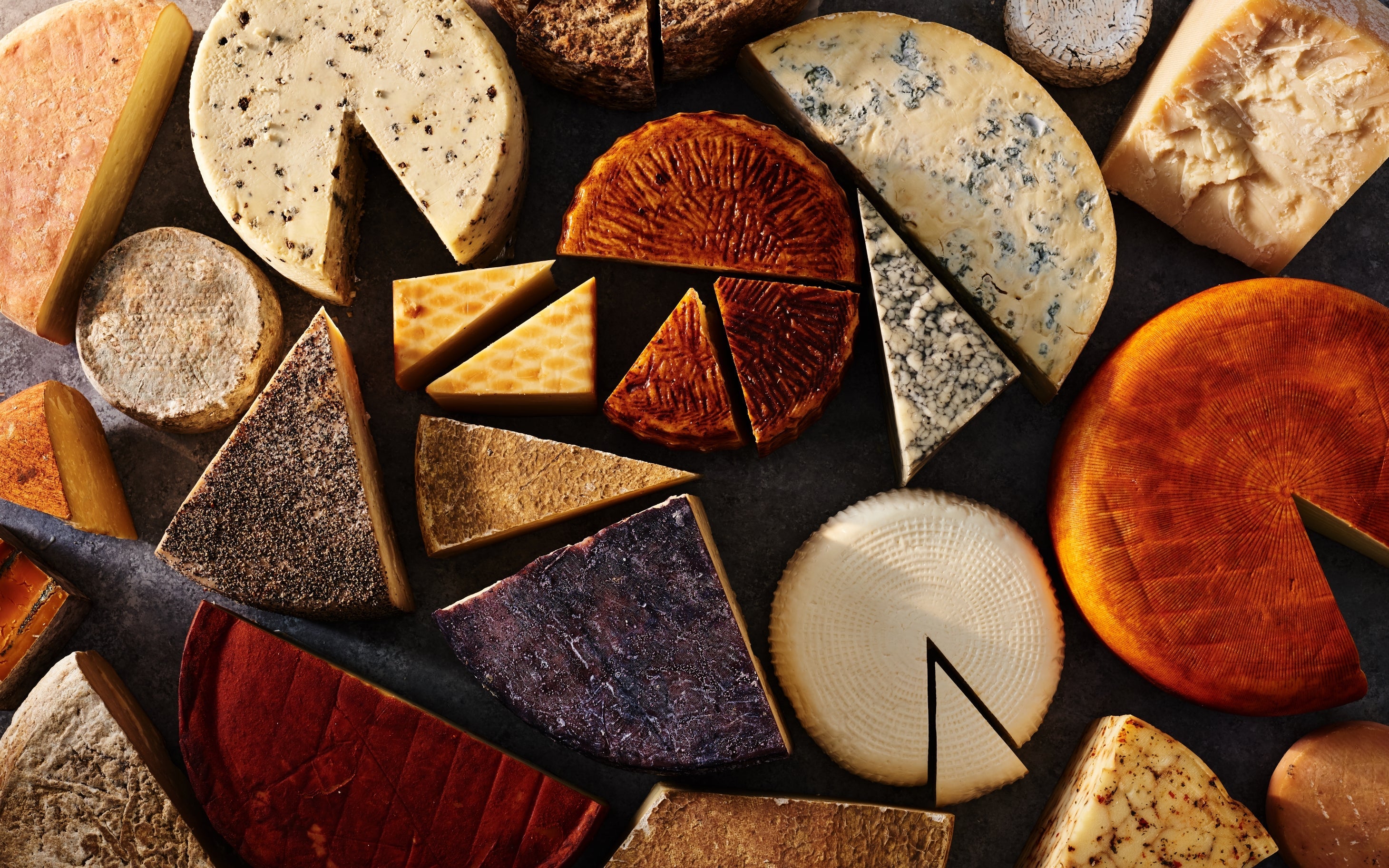
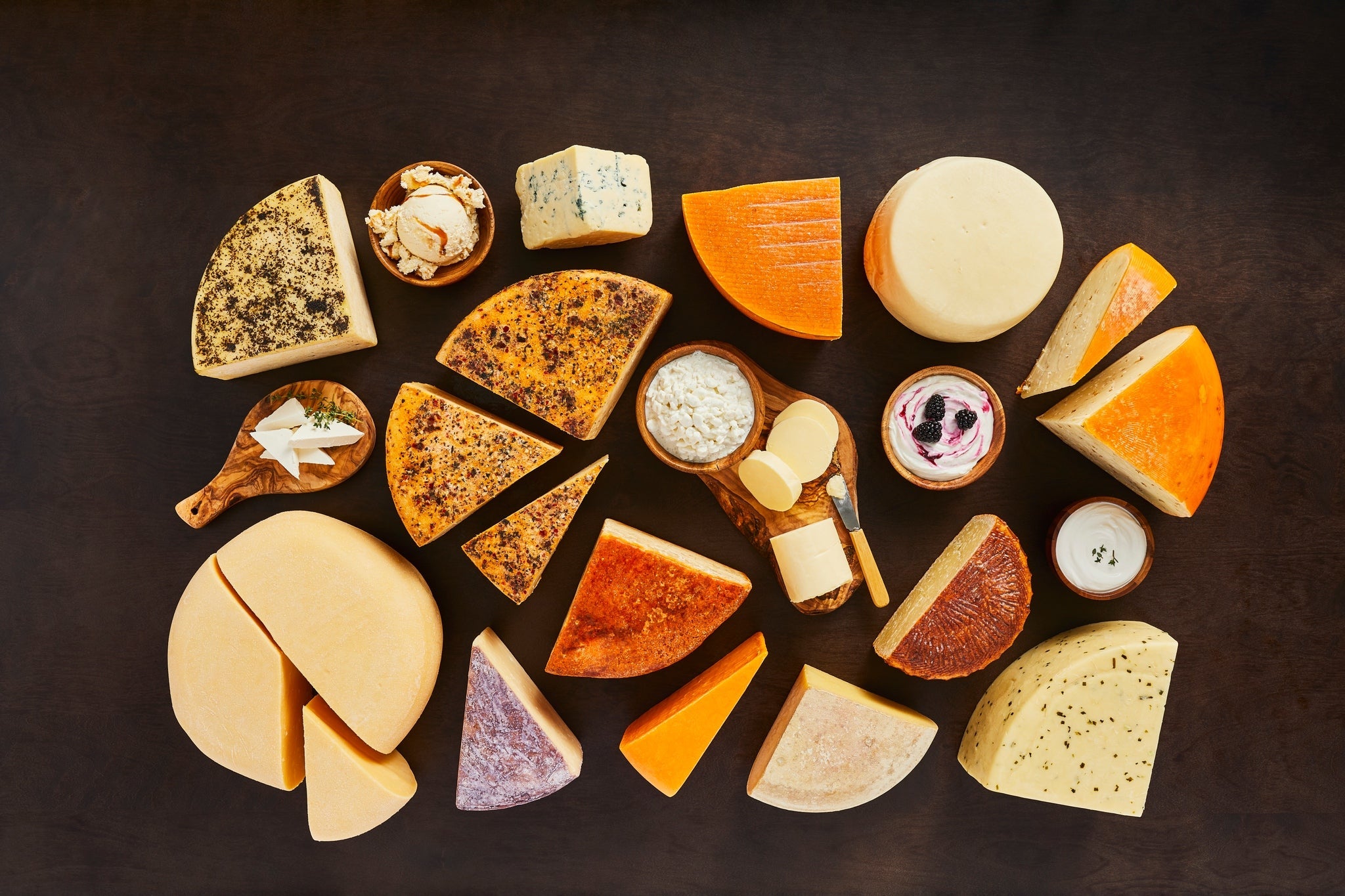
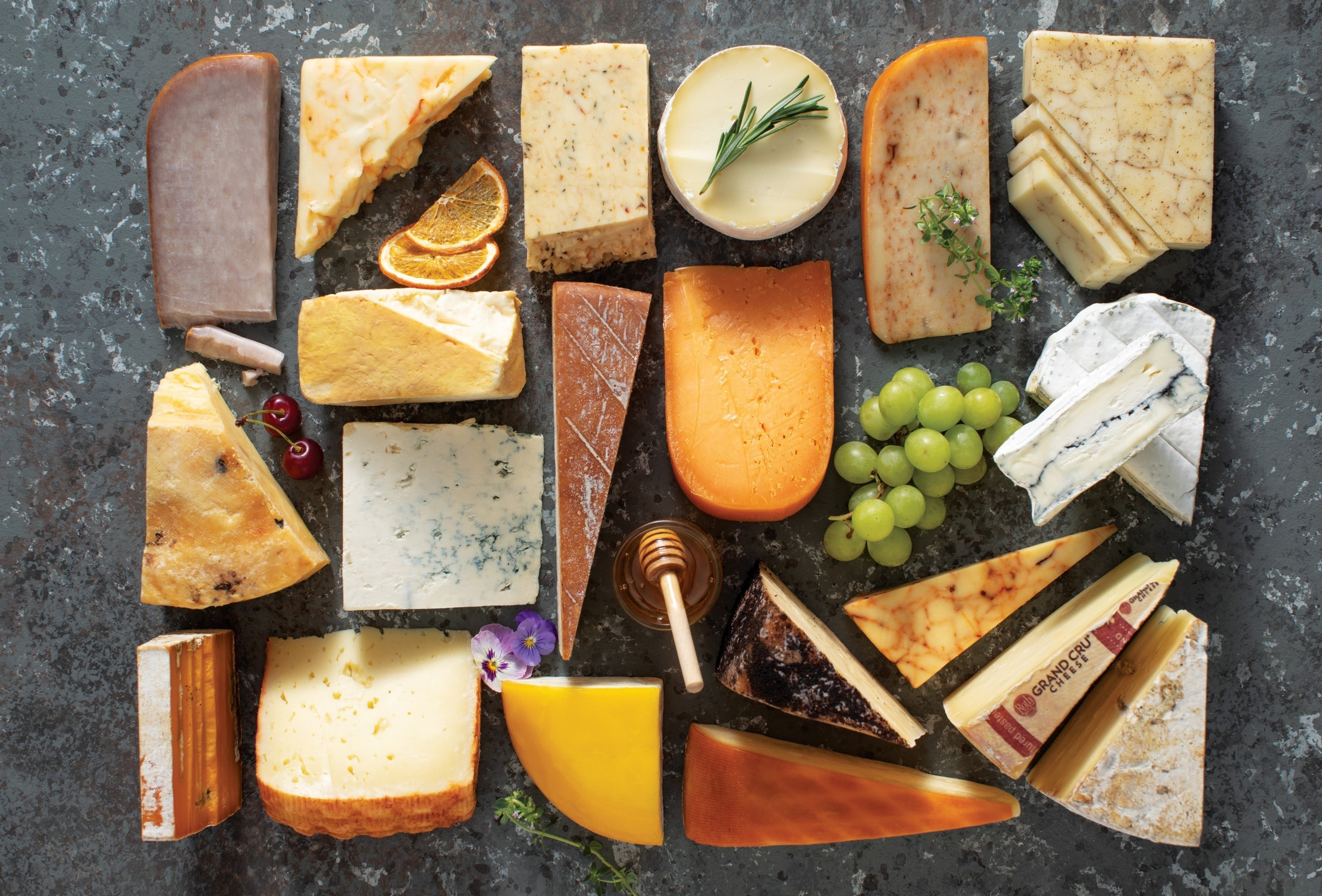

Introduction — The Story Behind Every Wheel of Wisconsin Cheese
There’s a certain magic in artisan cheese — the kind made slowly, deliberately, and with hands that have shaped curds a thousand times before. In Wisconsin, this tradition runs deep. Rolling green pastures, family-run farms, and a legacy of European craftsmanship have created a place where cheese isn’t just food — it’s heritage, pride, and a way of life.
Farmstead and artisan cheeses capture this spirit in every wheel. They tell the story of the land, the animals, the seasons, and the people who dedicate their lives to preserving time-honored methods. These cheeses aren’t rushed or mass-produced; they’re nurtured, cared for, and guided from the very first drop of milk to the final cut.
And if you enjoy discovering thoughtful, flavor-forward foods and pairings, you might also love exploring the warm, story-driven recipes over at BookOfFoods — a space filled with everyday culinary inspiration.
In this guide, we’ll explore what truly sets Wisconsin artisan cheese apart — from its farmstead roots to the incredible craftsmanship behind each batch — and why choosing artisan means choosing quality, tradition, and a richer tasting experience.
What Makes a Cheese “Artisan” or “Farmstead”?

“Curds, fresh milk, and a small artisan cheese wheel displayed on a rustic surface to illustrate farmstead cheesemaking.”
Before diving deeper into why Wisconsin stands at the heart of American cheesemaking, it’s important to understand the language of craft itself. Terms like artisan and farmstead appear on labels more and more these days — but behind them lies a world of meaning, skill, and uncompromising quality.
Artisan Cheese
Artisan cheese is defined by intention.
It’s crafted in relatively small batches, using hands-on techniques that rely on the cheesemaker’s senses rather than automated systems. Temperature, timing, texture — all of it is guided by experience, instinct, and deep knowledge passed through generations.
An artisan cheesemaker might stir curds by hand, adjust acidity by taste and feel, or judge readiness by scent rather than timers. These small, meaningful decisions lead to complexity: deeper flavors, natural variations, and a personality you simply can’t find in mass-produced cheese.
Artisan cheese isn’t about perfection — it’s about craftsmanship, character, and flavor shaped by human touch.
Farmstead Cheese
Farmstead cheese takes the artisan philosophy even further.
To earn this title, the cheese must be made on the same farm where the animals are raised, using milk that never leaves the property. This creates one of the purest expressions of terroir in the dairy world — the cheese reflects the soil, the pasture, the climate, and even the daily rhythms of the herd.
Because the milk is so fresh, farmstead cheesemakers can capture delicate nuances that would be lost with transportation or processing. Subtle grassy notes in spring, richer flavors in late summer, variations influenced by forage — they all tell a story of place.
Why These Distinctions Matter
Choosing artisan or farmstead cheese means choosing transparency and integrity.
You’re tasting the work of people who have poured passion into something small-batch, intentional, and deeply rooted in tradition. You’re supporting farms and communities that prioritize animal welfare, responsible land stewardship, and craft over volume.
And most importantly, you’re experiencing flavor in a way industrial cheese simply cannot deliver.
The Heritage of Wisconsin Cheese: Why This State Leads the Craft

“Artisan cheese wheels on wooden shelves with rustic elements symbolizing Wisconsin’s cheesemaking heritage.”
Wisconsin isn’t just a place where cheese is made — it’s a place where cheese is lived. For over 180 years, the state has nurtured a culture so deeply rooted in dairy craftsmanship that it has become synonymous with excellence. To understand the value of artisan Wisconsin cheese, you have to understand the people and history behind it.
A Legacy Built by Immigrant Cheesemakers
In the mid-19th century, waves of European immigrants settled in Wisconsin, bringing with them generations of cheesemaking knowledge from regions like Switzerland, Germany, and Scandinavia. They recognized something familiar in Wisconsin’s rolling hills and lush meadows — a landscape that mirrored the European dairying heartlands they left behind.
With rich soil, abundant pastures, and a cool climate ideal for dairy cows, Wisconsin quickly became the perfect canvas for Old World cheese traditions to take root and flourish. These families didn’t just make cheese; they built a culture around it.
A Unique Commitment to Quality
Wisconsin is the only U.S. state with a Master Cheesemaker Program — a rigorous, multi-year certification modeled after the demanding apprenticeships of Europe. To qualify, a cheesemaker must have at least 10 years of experience and demonstrate mastery in each variety they produce. It’s a badge of honor, earned by only the most dedicated artisans.
This culture of excellence trickles down to every level of production. Local dairy farms prioritize animal welfare, responsible grazing, and high-quality feed. Small-batch creameries focus on details, experimenting with styles that blend tradition and innovation.
Terroir: The Flavor of the Land
Wisconsin’s landscape plays a starring role in shaping the character of its cheese.
The state’s glacial soils and abundant freshwater create nutrient-rich grasses and legumes. In turn, cows produce milk with depth and subtlety — milk that gives Wisconsin cheeses their signature complexity.
From Alpine-style cheeses with nutty notes to sharp, crystalline cheddars with incredible depth, Wisconsin’s terroir whispers through every bite.
More Than Dairy — It’s Identity
Cheese isn’t just an industry here; it’s a cultural identity.
County fairs crown cheese champions. Towns host festivals centered around curds and wheels. Local shops proudly display artisan varieties like treasured heirlooms.
When you choose artisan Wisconsin cheese, you’re tasting a piece of that heritage — a story passed through generations, shaped by land, craft, and pride.
The Craftsmanship Behind Each Wheel

Behind every outstanding artisan cheese lies a cheesemaker — someone who relies not just on training, but on instinct, sensory skill, and hundreds of subtle decisions made throughout the process. In Wisconsin, this craftsmanship is elevated to an art form. Each wheel is not merely produced; it is crafted with care, attention, and a deep respect for tradition.
Hands-On Techniques That Machines Can’t Replace
Artisan cheesemaking values the touch of human hands. Curds are stirred, cut, and inspected manually. Temperature and acidity are guided not only by instruments but by experience — the quiet intuition that comes from years spent observing milk at every stage of transformation.
A cheesemaker might adjust the timing by a few minutes, alter the pressure while pressing, or extend a resting period based on how the curds feel in the vat. These choices, small and almost invisible, profoundly shape the final flavor and texture.
Small Batches Mean Better Control
Artisan cheese is typically produced in small quantities, and that scale is intentional. With smaller batches, a cheesemaker can monitor every detail — moisture, curd structure, whey clarity, and even how the curds respond to the day’s milk. It ensures consistency and allows each wheel to reflect the freshest possible ingredients.
Small batches also allow for creativity. Cheesemakers can experiment with washes, cultures, and aging environments that would be impossible in mass production.
Patience Is Part of the Craft
Cheese isn’t rushed. From gentle stirring to careful molding and salting, every step requires time. And in many cases, the most important element of all is patience — the willingness to wait weeks, months, or even years for a cheese to reach its peak.
This unhurried process is one of the reasons farmstead and artisan Wisconsin cheeses develop such depth. They’re allowed to mature naturally, without shortcuts.
A Maker’s Signature in Every Wheel
Every artisan cheese carries the unique stamp of its creator.
Different cheesemakers — even when using the same milk and style — will produce cheeses with subtly different characters. It’s the result of technique, touch, timing, and feel. This individuality is one of the joys of exploring artisan Wisconsin cheese: each wheel is a small expression of human artistry.
When you choose artisan cheese, you’re not just buying a product — you’re tasting someone’s craft, experience, and devotion.
Quality of Milk: The Foundation of Exceptional Flavor

“Fresh milk, cream, pasture grasses, and cheese curds arranged on a rustic surface to highlight the quality behind artisan cheese.”
Every great cheese begins long before the cheesemaker steps into the creamery. It begins on the farm — with healthy animals, nutrient-rich pastures, and milk that carries the subtle fingerprint of the land. For Wisconsin’s artisan and farmstead cheesemakers, milk isn’t just an ingredient; it’s the soul of the cheese.
Fresh, Local, and Full of Character
Artisan cheesemakers work with milk that’s as fresh as possible — often collected just hours before cheesemaking begins. This immediacy preserves delicate flavor compounds that would fade in transport or extended storage. Farmstead producers take this even further: because the cheese is made on the same farm where cows are raised, the milk never leaves the property.
The result? A purity of flavor that mass-produced cheese simply can’t replicate.
The Role of Breed and Diet
Not all milk is created equal. Wisconsin farmers raise breeds like Holstein, Jersey, Brown Swiss, and Guernsey — each offering unique fat and protein profiles that influence the cheese’s texture and richness. Jerseys and Guernseys, for example, produce milk with higher butterfat, perfect for ultra-creamy cheeses.
Just as important is the cows’ diet. Pasture grasses, legumes, and local forage give the milk its characteristic notes — earthy in spring, richer in late summer, subtly floral in autumn. These seasonal nuances are part of what makes artisan cheese so alive and expressive.
Animal Welfare Shapes Flavor, Too
Happy, low-stress animals produce better milk. It’s that simple.
Wisconsin farmstead producers emphasize responsible grazing practices, humane care, and consistent routines. When cows are healthy and well-fed, their milk has a cleaner flavor, balanced sweetness, and the ideal chemistry for small-batch cheesemaking.
Minimal Processing, Maximum Integrity
Artisan producers treat milk gently — low-temperature pasteurization when required, minimal handling, and no unnecessary additives. This keeps the natural structure intact, allowing the cheese to express the true character of the milk.
When you bite into a piece of Wisconsin artisan cheese, you’re tasting the farm itself: the pasture, the season, the herd, and the care behind every step.
Aging & Affinage: The Art of Time

“Aged cheese wheels, a rind-washing brush, and a cut wheel displayed on a rustic surface to illustrate the art of affinage.”
If milk is the soul of artisan cheese, then aging — or affinage — is where that soul matures into its final, beautiful form. Time, environment, and meticulous care transform simple curds into cheeses with personality, complexity, and depth. In Wisconsin, aging is treated not as a technical step, but as an art — one that demands experience, intuition, and patience.
Environment Shapes Every Flavor Note
Cheeses are aged in carefully controlled spaces where temperature, humidity, and airflow are monitored with precision. Some are aged in traditional caves; others mature on wooden shelves that help regulate moisture and encourage natural rind development.
This environment is where the magic happens.
A slightly warmer cave enhances nutty, caramelized notes in Alpine-style cheeses. Cooler, more humid rooms encourage a delicate bloom on soft-ripened cheeses. Hard cheeses like Cheddar or Gouda may age for months or years, developing crystals and deeper, sharper flavors over time.
Turning, Brushing & Washing: Hands-On Affinage
Aging isn’t passive. Affineurs — the specialists who oversee cheese during aging — handle each wheel regularly, checking texture, aroma, and rind formation. They may:
-
turn wheels weekly for even moisture,
-
brush or wash rinds with brine, beer, wine, or cultures,
-
monitor microbial growth that shapes flavor slow and naturally.
These subtle techniques create the signature traits of artisan Wisconsin cheese — from the earthy rind on a farmstead tomme to the bold aroma of a washed-rind specialty.
Time Creates Complexity
You can’t rush character. As cheese ages, proteins break down, fats soften, and natural cultures evolve. This process develops:
-
nutty and caramel notes in aged Goudas,
-
sharp crystalline texture in mature Cheddars,
-
buttery richness in Alpine styles,
-
bold tanginess in blues.
Each wheel tells the story of its own maturation — and each bite reflects weeks, months, or even years of careful tending.
Aged With Purpose, Not Automation
Industrial cheese may pass through aging rooms, but artisan cheese lives there. The difference is attention. Affinage is a dialogue between cheesemaker and cheese — a partnership of time and touch that yields flavors no factory can replicate.
When you savor a piece of Wisconsin artisan cheese, you're tasting the quiet work of time itself.
Flavor Profiles: What Makes Wisconsin Artisan Cheese Stand Out

“Assorted Wisconsin artisan cheeses—aged cheddar, gouda, blue, and alpine-style—arranged with fruit, nuts, and honey on a rustic board.”
One of the greatest pleasures of exploring artisan Wisconsin cheese is discovering just how expressive — and varied — these cheeses can be. Each wheel carries a signature: the farm where the milk originated, the cheesemaker’s hand, the cultures chosen, the length of aging, and even the season in which the cheese was made. Together, these elements create flavor profiles that are unmistakably Wisconsin.
Aged Cheddar: Sharp, Crumbly & Full of Character
Wisconsin’s aged Cheddar is legendary for a reason.
Months — sometimes years — of aging coax out flavors ranging from creamy and mellow to bold, sharp, and crystalline. Those tiny cheese crystals (calcium lactate) are a hallmark of quality, adding a delightful crunch that cheese lovers adore. Expect notes of toffee, browned butter, and a long, satisfying finish.
Gouda & Aged Gouda: Buttery, Caramelly, Comforting
Young Gouda is mild and creamy, but aged varieties become deep golden, dense, and incredibly flavorful. Wisconsin Goudas often carry hints of:
-
caramel,
-
toasted nuts,
-
warm butterscotch,
-
gentle sweetness balanced by savory depth.
Their smooth texture and rich flavor make them a holiday favorite.
Blue Cheeses: Bold, Tangy, and Surprisingly Balanced
Wisconsin blue cheeses stand out for their creaminess and complex flavor.
They’re bold but not overpowering, with streaks of blue veining that weave through buttery paste. Expect beautifully layered notes:
-
tangy and salty,
-
earthy,
-
subtly spicy,
-
occasionally sweet when aged longer.
Perfect for cheese boards, salads, or pairing with honey.
Alpine-Style Cheeses: Nutty, Earthy & Elegantly Savory
Inspired by Swiss and Austrian traditions brought by early immigrants, these cheeses develop nutty, grassy flavors and smooth, pliable textures. They melt beautifully but are equally delicious on their own. Notes often include:
-
roasted hazelnut,
-
alpine herbs,
-
browned butter,
-
a gentle sweetness.
Farmstead Originals: Unique to Each Creamery
Farmstead cheeses are deeply tied to the land and the herd that produced them.
Their flavor profiles vary widely — grassy in spring, richer in autumn — and often include signature touches from the cheesemaker, like washed rinds, blended cultures, or experimental aging techniques.
These cheeses taste alive, expressive, and full of place — Wisconsin terroir in every bite.
When you explore artisan Wisconsin cheeses, you’re not just tasting a style — you’re tasting generations of skill, the richness of local pastures, and the artistry that makes each wheel one of a kind.
Pairing Wisconsin Artisan Cheese at Home

“Wisconsin artisan cheeses paired with fruit, nuts, honey, jam, crackers, and drinks on a rustic wooden board.”
One of the joys of artisan cheese is discovering how beautifully it plays with other foods. When a cheese is crafted with care, its nuances shine even brighter alongside the right pairing — whether that’s a crisp apple slice, a spoonful of honey, or a glass of locally brewed beer. Wisconsin cheese practically invites pairing, thanks to its depth, richness, and expressive flavor.
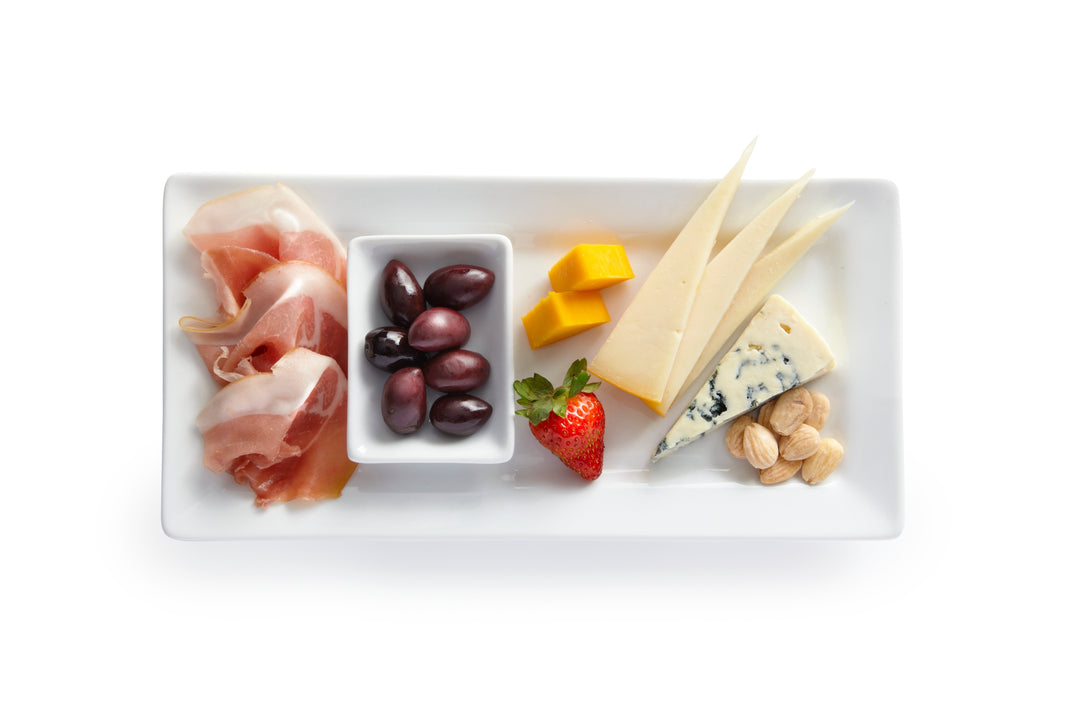
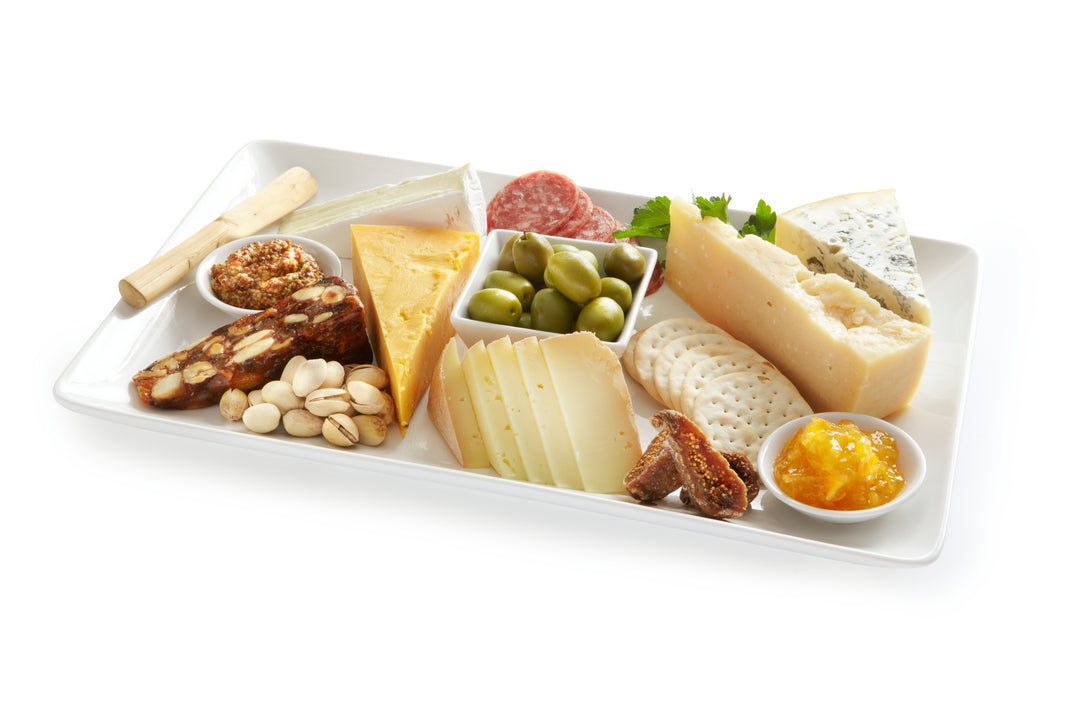
Here’s how to elevate your next cheese board at home.
Start with Complementary Elements
Artisan Wisconsin cheeses pair wonderfully with simple, natural ingredients that enhance their character without overshadowing them. Consider adding:
-
Fresh fruit: apples, pears, grapes, figs
-
Dried fruit: apricots, cherries, cranberries
-
Nuts: walnuts, pecans, almonds
-
Sweet notes: honey, fig jam, cherry preserves
-
Savory bites: cured meats, wholegrain mustard, olives
These additions bring balance — sweetness for tangy cheeses, crunch for creamy ones, and freshness to cut through richness.
Explore Beverage Pairings
Wisconsin’s craft beer scene is the perfect match for its cheese culture. Try:
-
Aged cheddar with hoppy IPA
-
Gouda with malty amber ale
-
Blue cheese with stout or porter
-
Alpine-style cheeses with crisp pilsners or lagers
For wine lovers:
-
Cheddar pairs beautifully with Cabernet or Zinfandel
-
Gouda loves Chardonnay or Riesling
-
Blues shine with dessert wines like Port or Sauternes
And don’t overlook non-alcoholic options: apple cider, ginger beer, or herbal teas offer stunning pairings.
Build a Cheese Board That Feels Abundant
Layer cheeses by texture and intensity:
-
Soft & creamy — Brie-style or fresh chèvre
-
Semi-soft — Alpine-style or young Gouda
-
Firm — aged Cheddar, aged Gouda
-
Bold — blue cheese or washed-rind specialty
Add bread or crackers for variety: baguette slices, crispbreads, seeded crackers, rye chips.
Let Cheese Come to Room Temperature
It’s a small thing, but transformative.
Remove cheese from the fridge 30–45 minutes before serving to allow its aromas and textures to fully open up. Flavor blooms at warmer temperatures.
Showcase Wisconsin’s Strengths
A pairing board with a mix of Cheddar, Gouda, blue, and farmstead Alpine-style cheese not only tastes incredible — it tells a story of Wisconsin’s craft and heritage.
Whether you’re hosting friends or treating yourself to a quiet evening snack, pairing artisan cheese is a simple but meaningful way to celebrate flavor, craftsmanship, and the farms that make it possible.
Why Artisan Cheese Costs More — and Why It’s Worth It

“Handcrafted artisan cheese with fresh milk, cheesecloth, and aging tools arranged on a rustic wooden surface.”
At first glance, artisan cheese often comes with a higher price tag — and it’s natural to wonder why. But behind that number is a story of craftsmanship, sustainability, and quality that mass-produced cheese simply can’t match. When you understand what goes into every wheel, the value becomes more than clear.
Labor-Intensive, Hands-On Craftsmanship
Artisan cheese is made by people, not machines.
Cheesemakers rise early, monitor milk temperatures by feel, stir curds by hand, adjust recipes based on the day’s milk, and tend to cheese wheels throughout aging. Every decision — sometimes hundreds in a single batch — is guided by skill and intuition.
This level of involvement requires time, experience, and a commitment to quality that can’t be automated.
Higher-Quality Milk From Well-Cared-For Animals
Great cheese begins with exceptional milk, and exceptional milk begins with healthy, stress-free animals. Wisconsin’s artisan and farmstead producers:
-
feed cows nutrient-rich local forage,
-
prioritize humane treatment,
-
maintain smaller herds for individualized care,
-
avoid shortcuts that compromise milk purity.
Higher-quality milk costs more to produce — but it creates richer, cleaner, more complex cheese.
Small Batches Mean Better Control (and Higher Costs)
Artisan cheese isn’t scaled for efficiency; it’s scaled for character.
Small batches allow cheesemakers to maintain strict quality control and experiment with technique, but they also mean:
-
fewer economies of scale,
-
more labor per pound,
-
greater attention per wheel.
This investment pays off in flavor and texture that mass-production can’t replicate.
Time Is a Real Ingredient
Aging cheese isn’t free — it requires months or years of:
-
climate-controlled rooms,
-
careful monitoring,
-
regular washing, turning, and tending.
While large producers move cheese quickly, artisan creameries allow wheels to mature at their own pace. The result is deep complexity: nutty, earthy, sharp, buttery — flavors only time can develop.
Supporting Local Farms & Communities
When you buy artisan Wisconsin cheese, you’re not just buying a product.
You’re supporting:
-
independent family farms,
-
long-standing traditions,
-
local economies,
-
sustainable agricultural practices.
You’re choosing a cheese with integrity — made with care from pasture to plate.
True Value Goes Beyond Price
The real value of artisan cheese isn’t measured only in dollars.
It’s measured in craftsmanship, flavor, and the knowledge that what you’re enjoying has a story, a place, and a maker behind it.
When you savor artisan Wisconsin cheese, you’re tasting quality that’s worth every penny.
How to Store, Serve & Enjoy Artisan Cheese Like a Pro

“Artisan cheese wrapped in cheese paper with a cheese board and knife arranged on a rustic surface.”
Artisan cheese deserves the same care at home that it receives from the cheesemaker. Proper storage and serving don’t just protect the cheese — they enhance its flavor, texture, and overall experience. With a few simple habits, you can enjoy Wisconsin’s finest cheeses at their absolute best.
Store Cheese the Right Way
To keep artisan cheese fresh without drying it out, focus on breathability and moisture balance.
-
Wrap it in cheese paper or wax paper — avoid plastic wrap, which traps moisture and can mute flavor.
-
Place wrapped cheese in a partially closed container in the fridge to maintain humidity.
-
Keep cheeses in the vegetable drawer, where conditions are more stable.
-
Store soft and blue cheeses separately to prevent aroma transfer.
Never freeze artisan cheese — freezing disrupts its delicate structure and breaks down texture.
Bring Cheese to the Perfect Temperature
Flavor blooms at room temperature.
Remove your cheese from the refrigerator 30–45 minutes before serving to allow the paste (interior) to soften and the aromas to open up. A Cheddar becomes sharper, a Gouda sweeter, and a blue more balanced and creamy.
Cut Each Style Properly
To appreciate the nuance of artisan cheese, cut it in a way that preserves texture and rind:
-
Soft cheeses: cut into wedges like a pie.
-
Firm or aged cheeses: slice into thin shards or rustic chunks.
-
Blue cheeses: cut lengthwise from center to rind to distribute veining evenly.
Good cutting ensures every bite has the full spectrum of flavor.
Use Simple Pairings to Highlight Flavor
You don’t need elaborate setups — artisan cheese shines with modest companions:
-
fresh apples or pears
-
honey or fig jam
-
toasted nuts
-
crusty bread or seeded crackers
These additions create balance without overpowering the cheese.
Serve with Intention
Create a board with contrast: soft to firm, mild to bold. Start with delicate cheeses and build toward the strongest flavors. This allows your palate to enjoy each cheese without fatigue.
Store Leftovers Thoughtfully
Rewrap leftover cheese in fresh paper, check it every few days, and trim any dry edges before serving again. Most artisan cheeses stay delicious for 1–2 weeks when properly stored.
With these simple habits, you’ll be able to enjoy Wisconsin artisan cheese exactly as the cheesemaker intended — flavorful, expressive, and full of life.
Conclusion — A Taste of Tradition, Craft, and True Wisconsin Character

“Partially enjoyed artisan cheese board with cut cheese wedges, nuts, and fruit on a rustic wooden surface.”
Artisan Wisconsin cheese is more than a delicious addition to your table — it’s a celebration of heritage, craftsmanship, and the deep connection between land, animals, and the people who care for them. Every wheel tells a story: the pastures where cows graze, the hands that guide curds into form, the quiet aging rooms where flavor slowly blossoms.
Choosing artisan or farmstead cheese means choosing integrity. It means supporting small-batch producers who value quality over convenience, tradition over shortcuts, and flavor over uniformity. It means savoring cheese that reflects the richness of Wisconsin’s landscapes and the skill of its cheesemakers.
Whether you’re building a cheese board for friends, pairing your favorites with seasonal fruits, or simply enjoying a slice at home, artisan Wisconsin cheese offers an experience that’s layered, intentional, and deeply satisfying. It’s a reminder that some of the best foods are those made with patience, care, and a true respect for craft.
With every bite, you’re tasting a piece of Wisconsin — its fields, its history, its passion — brought from farmstead to table with pride.
FAQ — Artisan Wisconsin Cheese

“Assorted artisan cheese wedges, cheese paper, and a cheese knife arranged on a rustic wooden surface.”
1. What makes artisan cheese different from regular cheese?
Artisan cheese is crafted in small batches using hands-on, traditional methods. Cheesemakers rely on skill, sensory experience, and high-quality milk instead of large-scale automation. This results in richer flavor, more complex textures, and a unique character in every wheel.
2. What is farmstead cheese, and why is it special?
Farmstead cheese is made on the same farm where the animals are raised, using milk from the farm’s own herd. Because the milk is used immediately and never transported, farmstead cheese captures the freshest, most authentic expression of the farm’s terroir — its land, pasture, seasons, and animals.
3. Is artisan cheese healthier than mass-produced cheese?
While both can be part of a balanced diet, artisan cheese often uses higher-quality milk, fewer additives, and traditional methods that preserve natural flavor and nutrition. Many artisan cheeses are minimally processed, making them a more wholesome choice for cheese lovers.
4. How should I store artisan cheese at home?
Wrap cheese in cheese paper or wax paper, place it in a breathable container, and store it in the vegetable drawer of your fridge. Avoid plastic wrap, which traps moisture. Most artisan cheeses keep well for 1–2 weeks when stored properly.
5. Why does artisan cheese cost more?
Because you’re paying for craftsmanship, quality ingredients, humane animal care, small-batch production, and often months (or years) of aging. The cost reflects the time, labor, and dedication behind each wheel — and the superior flavor that comes with it.
6. Can I pair artisan Wisconsin cheese with beer?
Absolutely. Wisconsin’s craft beer scene pairs wonderfully with local cheeses.
Try:
-
Aged Cheddar with IPA,
-
Gouda with amber ale,
-
Blue cheese with stout,
-
Alpine-style cheeses with lager or pilsner.
7. How do I know I’m getting authentic Wisconsin artisan cheese when shopping in Pennsylvania?
Look for producers and retailers who source directly from Wisconsin creameries — like Keystone Farms Cheese. Authentic Wisconsin artisan cheeses often highlight their creamery of origin, the style of cheese, and may reference Wisconsin’s cheesemaking heritage or Master Cheesemaker certifications. Buying from trusted specialty shops ensures you’re getting the real thing.
Leave a comment