



A well-planned menu does more than list your offerings. It influences which dishes your guests choose and how much each sale contributes to your profits. Menu engineering gives you a simple way to guide the process. By seeing how each item performs and appears, you can make your menu work harder for you.
A great way to look at this is according to how you present your cheese dishes and boards.
With a few small changes, both familiar favorites and less common items can put more money in your pocket while leaving your guests truly satisfied with their choices.
What Smart Menu Engineering Means for Menus
Smart menu engineering treats your menu as a working part of your kitchen, transforming it from words on a page into an irresistible craving. Each dish needs to be evaluated based on how often it’s ordered and the profit it generates.
Looking at this information side by side makes it clear which dishes are performing well and which need a little more attention. For example, the strongest cheese boards can take pride of place, while others may need a richer description or a small price adjustment to help them perform properly.
The menu will steadily become more balanced and inviting, filled with delicious dishes that guests return to, thereby supporting stronger sales.
How to Price Restaurant Items to Improve Your Profit Margin
Setting the right price starts with knowing exactly what each dish costs, including ingredients, labor, and overheads. From there, prices are set to generate more profit. Many kitchens aim for a 25% to 35% food cost. That means if a dish sells for $20, about $5 to $7 is spent on ingredients, so you receive between $13 and $15 from the sale.
This feeds directly into smart menu engineering.
Once prices are set, higher-earning dishes can be placed where guests look first and described so they stand out. When these plates are chosen more often, orders shift toward items that leave you with better profits, helping to improve your turnover without needing more orders.
Properly Placed Cheese Dishes Can Boost Your Profit Margin
Cheese dishes can turn a profit while still offering excellent value to guests, making them ideal choices to highlight on your menu.
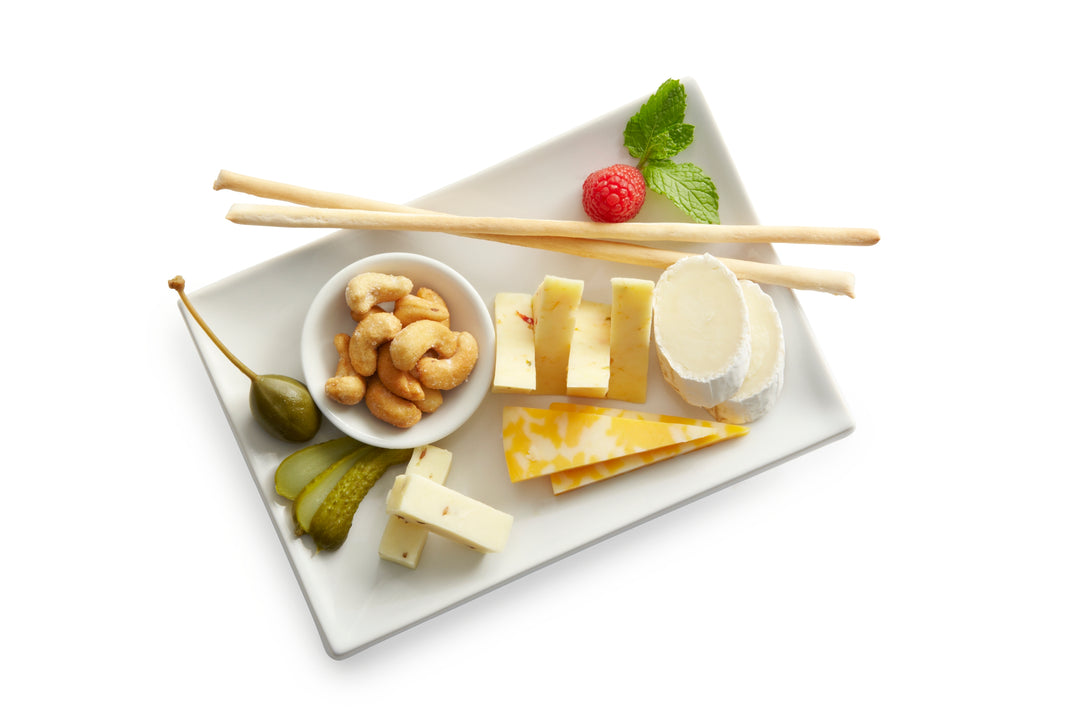
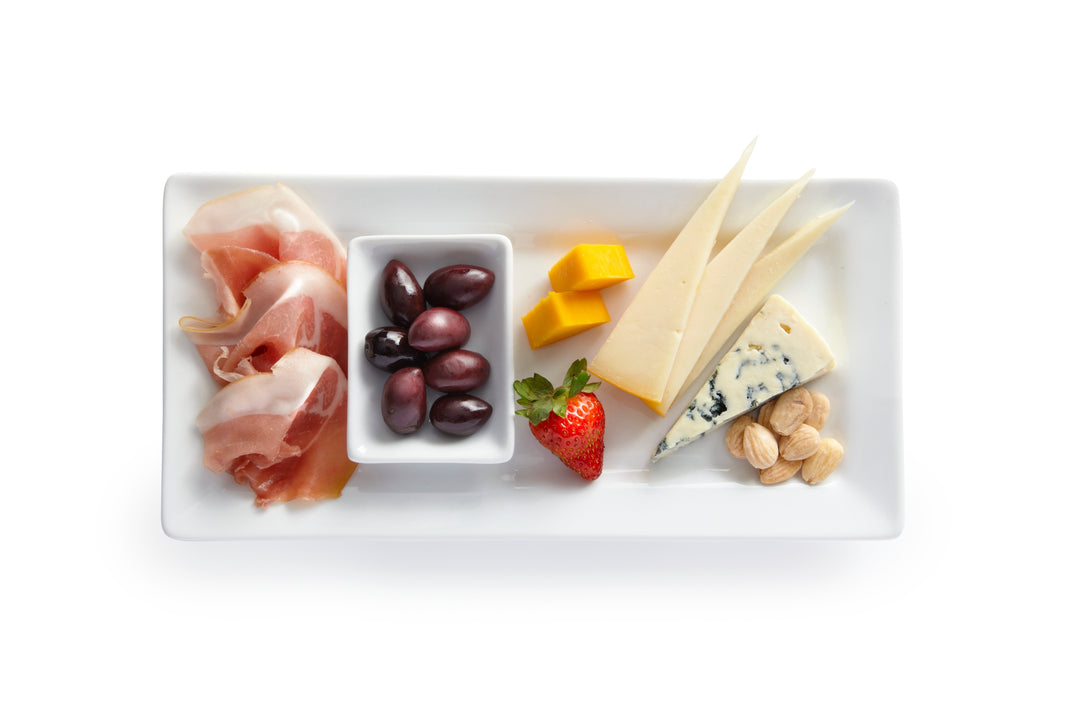
A cheese board using about $8 worth of cheese, fruit, and crackers can be priced at $26. That leaves $18 after base costs, giving you room to cover labor and keep a solid profit from a single order.
Baked brie works in a similar way. A $5 wheel warmed until soft and lightly browned can be served at $15 to $18 and requires very little extra time in the kitchen.
Smaller touches add up, too. Adding aged cheddar to a sandwich may raise the cost slightly, but it supports a higher price and adds a richer, more satisfying finish.
These dishes are chosen more often when placed where guests see them first and described clearly. This is where menu engineering starts to boost your turnover without needing more orders.
Understanding Profit Per Plate With Cheese Boards
When you look at each board’s selling price against its food cost, you see the amount left after costs are covered. This shifts the focus from ingredient cost to the profit margin on each sale.
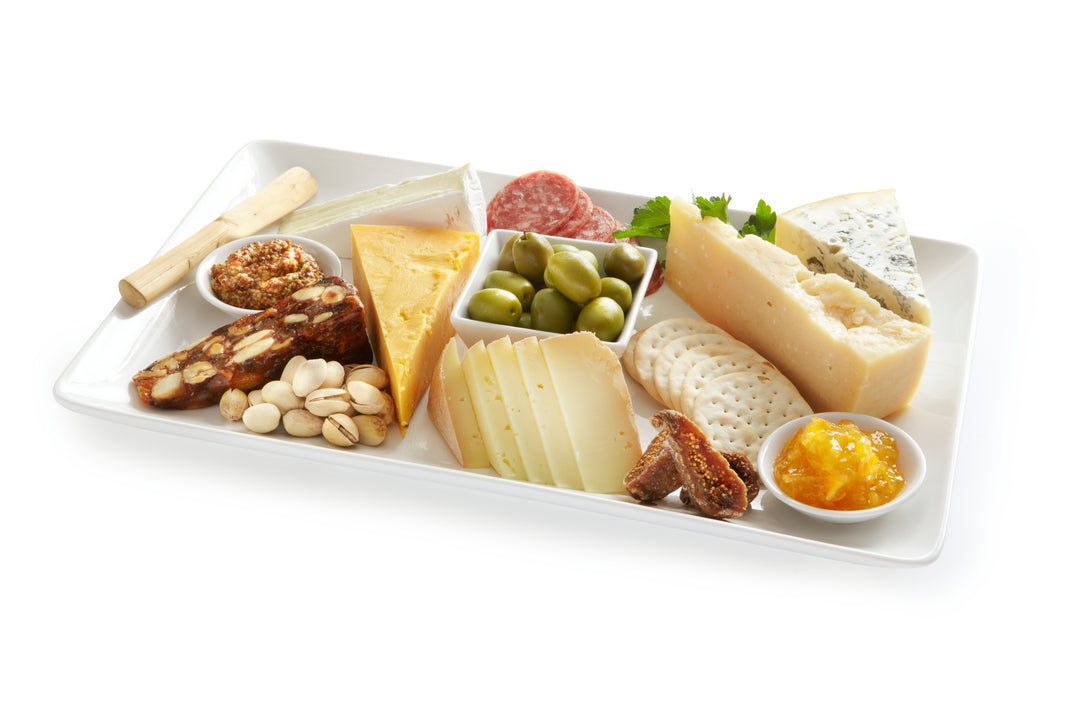
While a board with camembert, blue cheese, seeded crackers, and fig preserves may cost more to make, it can be sold at a higher price. A simpler option with Gouda and plain crackers costs less, but it also yields a smaller profit.
Breaking down and comparing cheese boards in this way shows which ones earn more per order and which fall behind. This helps you decide which should take a more prominent spot on your menu.
Using Menu Engineering to Group Dishes by Profit and Popularity
Grouping dishes by how they perform makes decisions clear:
- A large sharing board with Gouda, Asiago, marinated olives, and crusty bread should be placed in a prominent spot because it is ordered frequently and generates the most profit.
- A grilled cheese with mozzarella may sell well, but be priced too low. This means that it will need a higher price to bring in more per order.
- A plate built around Parmesan may be chosen less often, but it still makes more per sale for you, so it should be given more visibility.
- A ricotta-and-plain-cracker plate that’s rarely ordered and adds little value should be removed completely.
Viewing your menu this way guides pricing, placement, and overall balance.
Smart Changes for More Profit on Cheese Dishes
Small changes can increase the profit from each cheese dish:
- A fondue made with a full gruyère blend can be adjusted by mixing in a milder, lower-cost cheese while keeping that rich, smooth texture guests expect. Tightening portion size also helps reduce waste without affecting quality.
- A slower-moving artisan plate, like one built around washed-rind cheeses, can benefit from clearer wording. Describing it as soft, earthy, and bold, with a hint of tang, gives guests a better sense of what they’re ordering and makes it easier to choose.
- Pairing cheeses with house-made pickles, warm bread, or seasonal fruit keeps plates full while controlling overall cost.
Limiting Choices to Make Ordering Easier
A long menu can slow your guests down. When there’s too much to read, people pause and take longer to decide, and this delay holds up ordering.
Cutting back on similar dishes helps each option be more distinct. When there are fewer choices on the page, it’s also easier to scan and pick something without going back and forth.
Keeping menu sections simple has the same effect. A small number of clear groups of dishes makes it quicker to read and easier to follow.
Adding clear visuals can also speed up decision-making. Providing an image helps guests quickly understand each dish, reducing hesitation and making choices more intuitive.
With fewer options in front of them, guests also move more quickly and tend to choose from what’s most visible. This will help you shift orders in the direction you want them to go more consistently.
Keeping Your Menu Focused to Protect Profit
Once you start smart menu engineering, each dish will have a clear role. This will make your selection feel balanced rather than overcrowded.
Make sure that this simplicity carries through to the table, with meals that are well put together and portions that stay consistent, whether it’s a soft, bloomy round or a firm, nutty wedge served with fresh bread.
Smart menu engineering that relies on data-driven decisions will boost profitability, reduce waste and costs, streamline menu operations, and positively influence guest behavior, all while increasing your sales potential.
Leave a comment