



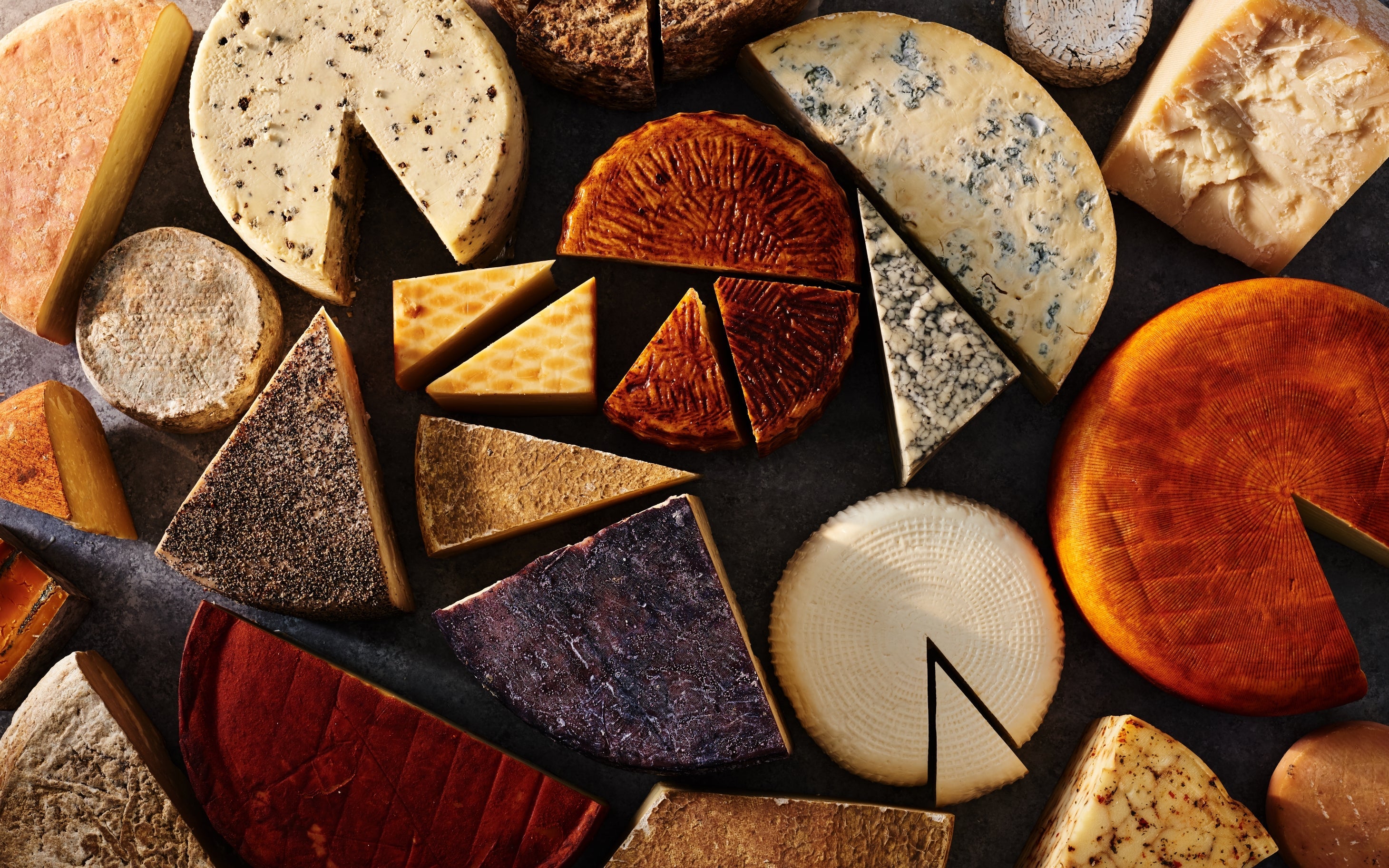



Winter Comfort, Warmth & Nutrition

A rustic winter still life with warm soup, artisan cheese slices, and roasted vegetables on a wooden table, symbolizing comfort, warmth, and nourishing winter meals.
There’s something magical about the start of a new year. The cold settles in, days feel quieter and slower, and the kitchen naturally becomes the heart of the home again. It’s the season when we crave foods that warm us from the inside out — dishes that feel comforting, grounding, and nourishing all at once.
This winter, instead of turning to heavy meals that leave you sluggish, imagine embracing wholesome comfort: bowls of creamy, vegetable-rich soups, warm grain salads topped with melty crumbles of artisan cheese, and cozy skillet dinners layered with flavor, texture, and heart.
Cheese becomes more than an ingredient in this season — it becomes a source of comfort, richness, and nourishment. And when it’s high-quality, thoughtfully crafted cheese like the varieties from Keystone Farms Cheese, it elevates everyday winter meals into something truly heartwarming.
Many of the ideas in this guide were inspired by the balanced, seasonal approach to cooking found over at bookoffoods.com — a resource full of cozy wellness recipes and feel-good food philosophy. Blending that mindset with the flavor-forward world of cheese creates a perfect foundation for winter eating: satisfying yet nourishing, comforting yet wholesome.
In this article, we’ll explore simple, nutritious, cheese-forward recipes and ideas designed to help you start the year with warmth, intention, and joy — from hearty breakfasts to soothing soups, winter salads, cozy dinners, and smart tips for keeping meals balanced without losing the indulgent cheese moments you love.
Why Winter Is the Perfect Season for Nourishing Cheese-Based Meals

Artisan cheese wedges with roasted winter vegetables and a warm drink on a wooden table, symbolizing why cheese-based meals are perfect for the winter season.
Winter naturally pulls us toward foods that feel grounding — dishes with warmth, depth, and comfort. Our bodies intuitively know what the cold season requires: steady energy, satisfying textures, and meals that keep us full longer. And cheese happens to be one of the most perfect winter ingredients for exactly those reasons.
When the temperatures drop, lighter meals often leave us wanting more. Salads that felt refreshing in summer suddenly feel incomplete. Smoothies don’t warm us enough. And even simple soups can feel thin without a touch of something richer. That’s where cheese steps in — not as indulgence, but as nourishment.
Cheese adds hearty comfort to winter cooking
Cheese brings:
-
natural creaminess
-
satisfying richness
-
a feeling of warmth
-
deeply comforting flavor
It turns everyday winter vegetables into cozy dishes, transforms soups into silky bowls of nourishment, and gives casseroles and skillet meals that irresistible savory depth.
Cheese provides sustained, winter-friendly nutrition
The cold season often increases our body’s energy needs. High-quality cheese supports those needs through:
-
protein, which keeps you full and energized
-
calcium, essential for bone health during lower-sunlight months
-
healthy fats, which provide steady warmth and satisfaction
-
B vitamins, supporting metabolism and mood
When combined with vegetables, whole grains, legumes, or lean proteins, cheese helps create well-rounded winter meals that are both hearty and balanced.
It complements seasonal produce beautifully
Winter’s star ingredients — squash, potatoes, mushrooms, brassicas, winter greens — all pair incredibly well with cheese. Roasted butternut squash with melted gouda, spinach sautéed with feta, mushrooms folded into a creamy cheddar base…
These are the flavors that carry us cheerfully through the cold months.
Quality cheese makes all the difference
Winter meals shine brightest when the cheese is crafted with care. The artisan cheeses from Keystone Farms Cheese have that rich, nuanced flavor that transforms a simple dish into something heartwarming — the kind of food you look forward to on snowy evenings or slow weekend mornings.
Choosing the Right Cheeses for Winter Cooking

A selection of cheddar, gouda, havarti, parmesan, and feta arranged on a wooden board with subtle winter elements, symbolizing the best cheeses for winter cooking.
Winter cooking has its own rhythm — rich soups, slow roasts, hearty casseroles, warm grain bowls, and melty, comforting meals. The cheese you choose can make all the difference in flavor, texture, and overall nourishment. Some cheeses melt like a dream, others bring bright contrast, and others add rustic depth.
This section helps you select the right cheeses for your cold-weather dishes, so every recipe feels warm, satisfying, and truly winter-ready.
Cheeses That Melt Beautifully (Perfect for Soups, Skillets & Casseroles)
These cheeses become silky, gooey, and comforting when heated — ideal for creating those “melt-in-your-mouth” winter moments.
Best choices:
-
Cheddar — bold, sharp, and perfect for soups and mac & cheese
-
Mozzarella — stretchy, melty, comforting
-
Havarti — creamy and smooth, ideal for skillet dishes
-
Gouda — rich, smoky-sweet, excellent in casseroles
-
Colby — mild and versatile for family-friendly meals
Keystone Farms Cheese offers beautifully crafted versions of these classics — perfect for elevating home-style winter cooking.
Bold, Flavor-Packed Cheeses for Adding Depth
When winter dishes need a boost of savory richness, these cheeses deliver depth without overpowering other ingredients.
Best choices:
-
Parmesan — nutty, salty, perfect for roasted veggies & creamy soups
-
Aged Cheddar — sharp and warm, ideal for potato or root veg dishes
-
Gruyère — earthy and smooth, perfect for French-style winter comfort foods
-
Smoked Cheeses — add warmth, complexity, and subtle campfire notes
These cheeses turn simple dishes into something layered and memorable.
Soft or Crumbly Cheeses That Add Warmth to Salads & Grain Bowls
Winter salads are very different from summer salads — they’re warmer, richer, and more grounding. Soft cheeses add the creamy contrast that makes winter bowls feel complete.
Best choices:
-
Feta — tangy, vibrant, perfect for roasted vegetables
-
Goat cheese — creamy, bright, pairs beautifully with beets or squash
-
Blue cheese — bold and warming, delicious with pears or walnuts
-
Cotija or queso fresco — crumbly, light, and perfect with warm grains
These cheeses offer just the right contrast to hearty winter produce.
Fresh Cheeses for Light-but-Comforting Winter Breakfasts
Even winter breakfasts don’t have to be heavy. Fresh cheeses offer protein and comfort without weighing you down.
Best choices:
-
Cottage cheese — perfect for fruit bowls or protein breakfasts
-
Ricotta — great with citrus, toast, or winter waffles
-
Fresh mozzarella — mild and satisfying for egg dishes
-
Burrata — a luxurious treat for weekend brunch
They’re cozy and energizing — ideal for January mornings.
When to Choose Full-Fat vs. Lite Cheeses
In winter, full-fat cheeses often:
-
melt better
-
taste richer
-
offer more satiety
-
bring warmth and comfort
But lighter cheeses can be useful in:
-
salads
-
snacks
-
breakfasts
Balance is key — not restriction.
Why Cheese Selection Matters in Winter
Choosing the right cheese for the right dish makes winter cooking:
-
more flavorful
-
more nourishing
-
more texturally satisfying
-
more comforting on cold days
High-quality artisan cheeses — like those from Keystone Farms Cheese — bring out the true soul of winter meals. When the ingredients are crafted with care, every bite feels richer, warmer, and more memorable.
Wholesome Breakfasts to Start Cozy Winter Mornings

A rustic winter breakfast scene with cheesy eggs, cottage cheese with fruit, and ricotta toast, arranged in warm natural light to evoke cozy winter mornings.
Winter mornings call for breakfasts that feel like a gentle hug — warm, nourishing, and satisfying enough to carry you through chilly hours. And cheese, with its comforting richness and steadying protein, fits naturally into these kinds of morning meals.
Here are several winter-friendly, cheese-forward breakfast ideas that bring warmth, nutrition, and joy to the start of your day.
Winter Vegetable & Cheddar Egg Scramble
A simple skillet scramble becomes a nourishing winter breakfast when you fold in:
-
sautéed spinach
-
mushrooms
-
onions
-
roasted bell peppers
-
shredded Keystone Farms Cheddar
The cheese melts beautifully into the eggs, creating a comforting, protein-rich dish that’s ready in minutes.
Why it works in winter:
Warm, hearty, and loaded with veggies for immune support.
Cottage Cheese Winter Fruit Bowl
For a lighter—but still satisfying—breakfast, try:
-
cottage cheese
-
sliced pears or apples
-
a sprinkle of cinnamon
-
toasted walnuts
-
a drizzle of warm honey (optional)
It’s a refreshing, creamy combination that feels cozy without being heavy.
Winter twist:
Use seasonal fruits with natural sweetness and fiber.
Ricotta-Topped Warm Winter Toast
Spread warm whole-grain toast with:
-
a generous layer of ricotta
-
roasted apples or figs
-
a touch of nutmeg
-
a few crushed pistachios
Creamy, toasty, slightly sweet — a perfect slow morning treat.
Tip:
Ricotta from Keystone Farms brings an extra level of creaminess and flavor.
Cheesy Winter Hash with Potatoes & Greens
Combine:
-
diced potatoes
-
kale or Swiss chard
-
onions
-
garlic
-
smoked gouda or colby
Pan-fry until everything is crisp, golden, and melty.
Why it’s perfect:
It’s warm, rustic, and incredibly satisfying — ideal for snowy mornings.
Baked Egg Cups with Mozzarella & Spinach
These make-ahead winter breakfasts feel both convenient and comforting.
Simply mix:
-
eggs
-
shredded mozzarella
-
chopped spinach
-
a bit of salt & pepper
Bake in muffin tins until set.
Bonus:
They freeze and reheat beautifully — perfect for busy winter weekdays.
Mushroom & Havarti Omelet
Warm, earthy mushrooms pair beautifully with melty Havarti. Serve with:
-
whole-grain toast
-
roasted cherry tomatoes
-
fresh herbs
Why it works:
It’s gentle on digestion but rich in flavor — the ultimate winter brunch.
A Cozy Breakfast Philosophy
Winter breakfasts don’t have to be heavy — just warming, grounding, and steady. Cheese plays a key role by offering:
-
protein for long-lasting energy
-
healthy fats for warmth
-
satisfying creaminess
-
versatility across both savory and slightly sweet dishes
With the right ingredients and a little inspiration, winter mornings become something to look forward to — no matter how cold it is outside.
Heartwarming Soups & Stews with a Cheese Twist

A warm bowl of cheesy winter soup with artisan cheese pieces on a rustic table, symbolizing heartwarming soups and stews with a comforting cheese twist.
There’s no winter comfort quite like a steaming bowl of soup or a slow-simmered stew. These are the dishes that warm the hands, soften the mood, and make cold days feel a little kinder. And when you add cheese — especially high-quality, flavor-rich varieties from Keystone Farms Cheese — these comforting bowls become even more satisfying, creamy, and irresistible.
Cheese doesn’t just add richness. It adds character. It turns simple ingredients into soulful winter meals with depth, aroma, and warmth.
Here are a few cheese-forward winter soup and stew ideas to bring that cozy magic to your table.
Creamy Cheddar Winter Vegetable Soup
A hearty blend of:
-
carrots
-
potatoes
-
celery
-
onions
-
winter greens
Simmered slowly and finished with sharp Keystone Farms Cheddar, which melts into a velvety, comforting base.
Why it works:
Cheddar adds a rich, savory layer that makes the vegetables shine. This soup tastes like a snowy evening wrapped in a blanket.
Rustic Tomato & Cheese Skillet Stew
Start with:
-
crushed tomatoes
-
garlic
-
onion
-
a pinch of smoked paprika
Simmer gently, then stir in cubes of Gouda or Havarti right before serving.
The result:
A thick, rustic stew with pockets of melty cheese — perfect for dipping crusty winter bread.
Winter Potato & Cheese Chowder
A luxurious, comforting bowl made with:
-
diced potatoes
-
sautéed leeks
-
thyme
-
broth
-
cream (optional)
-
Keystone Farms Colby or Cheddar
It’s hearty, silky, and incredibly warming — exactly what a freezing winter night calls for.
Tip:
Use aged cheddar for a more complex, deeply savory flavor.
Mushroom & Gruyère Forest Stew
Earthy mushrooms + nutty cheese = winter perfection.
Use:
-
a mix of wild mushrooms
-
garlic and herbs
-
vegetable or chicken stock
-
a splash of cream
-
grated Gruyère stirred in at the end
Why it’s special:
Mushrooms bring winter forest aroma, while Gruyère adds warmth, depth, and elegant French-style richness.
Sweet Corn & Smoked Cheese Soup
Even frozen corn works beautifully here.
Simmer corn with:
-
onions
-
potatoes
-
a little butter
-
broth
Then blend and stir in Smoked Cheddar for a cozy, slightly campfire-like vibe — ideal on days when you need both warmth and comfort.
Cheesy Greens & White Bean Stew
A lighter winter option packed with protein and fiber:
-
cannellini beans
-
kale or Swiss chard
-
onions
-
broth
-
a squeeze of lemon
-
crumbled Feta or Aged Cheddar on top
This stew feels:
Comforting, nourishing, and grounded — perfect for those midwinter days when you want warmth without heaviness.
The Magic of Cheese in Winter Soups
Cheese adds:
-
silkiness
-
depth
-
richness
-
cozy familiarity
-
a satisfying finish
And because artisan cheeses from Keystone Farms have such pure, well-crafted flavor, even a small amount can transform a simple winter soup into a deeply memorable meal.
Winter Salads That Bring Warmth (and Cheese!) to the Table

A winter salad of roasted vegetables, kale, and crumbled cheese arranged in warm natural light, symbolizing cozy, nourishing salads for the winter season.
Winter salads are a completely different experience from the breezy bowls of summer. They’re deeper, cozier, and built around ingredients that feel grounding in cold weather — roasted vegetables, citrus, grains, warm dressings, and of course, cheese that melts gently into the mix or crumbles beautifully on top.
A good winter salad doesn’t try to be light and airy. It’s satisfying, warm, and nourishing. And cheese plays a starring role, bringing creamy richness, savory contrast, and a sense of comfort that makes salads feel like real meals rather than side notes.
Picture a large bowl filled with roasted sweet potatoes and charred Brussels sprouts, still warm from the oven. Add a handful of winter greens — the sturdier ones like kale or spinach — and they soften slightly against the heat. Now imagine crumbling a generous amount of Keystone Farms Feta on top. The tangy creaminess cuts through the earthy vegetables in a way that feels both fresh and cozy.
Or think of a warm spinach salad scattered with golden, pan-seared halloumi. The cheese becomes the “warm heart” of the dish — crispy on the outside, tender inside — turning a simple salad into a complete, comforting lunch. A squeeze of lemon and a light drizzle of olive oil bring everything together with effortless balance.
Winter also gives us gorgeous citrus, and that’s where cheeses like gouda or aged cheddar shine unexpectedly. A salad with blood oranges, thinly sliced fennel, toasted almonds, and small cubes of creamy gouda tastes like sunshine breaking through a cloudy day — bright, crisp, yet still hearty enough to feel right for January.
Even a humble grain bowl becomes a winter salad with the right additions. Warm quinoa tossed with roasted carrots, walnuts, dried cranberries, and soft goat cheese creates layers of texture and flavor that feel indulgent and nourishing at the same time. The cheese melts just enough to coat the grains lightly, turning every bite into a small comfort.
What makes winter salads special is how they blend warmth and freshness. They honor the season’s need for cozy food without losing the brightness that keeps meals feeling alive and energizing. And artisan cheeses from Keystone Farms bring that perfect contrast — creamy against crisp greens, tangy against sweet roasted vegetables, melty against warm grains.
The result? Salads that don’t feel like “diet food” or a light option.
They feel like comfort in a bowl — wholesome, flavorful, and deeply satisfying on even the coldest days.
Cozy Lunch & Dinner Ideas: Melty, Savory, Satisfying

A cozy winter meal scene with baked mac and cheese, roasted squash with melted cheese, and a warm skillet dish arranged in soft natural light.
There’s something especially comforting about lunch and dinner in winter — those moments when the house is quiet, the windows fog slightly from the warmth inside, and a hearty, aromatic meal feels like the best kind of self-care. Cheese has a beautiful way of elevating these meals, giving them that satisfying, savory depth we crave during the colder months. When the cheese is high-quality, like the varieties from Keystone Farms Cheese, even the simplest dish becomes a little bit extraordinary.
Imagine a baked mac and cheese, but not the heavy, one-note version you may remember from childhood. Instead, think of tender pasta coated in a velvety blend of artisan cheddar and a touch of gouda, baked until the top becomes golden and crisp. The cheese melts into every corner, creating a rich, warming dish that feels indulgent yet completely homemade and wholesome.
Or picture a roasting tray filled with winter squash — acorn, butternut, or delicata if you’re lucky — tossed with olive oil and roasted until caramelized. Just before serving, you scatter small cubes of smoked cheese over the hot squash, letting them soften slightly without fully melting. Each bite combines sweetness, earthiness, and a gentle smokiness that feels like sitting beside a fireplace after being out in the cold.
Winter also makes us appreciate skillet meals — those dishes that come together in one pan but taste like something far more elaborate. A simple chicken-and-vegetable skillet becomes deeply satisfying when you fold in a handful of shredded Havarti right at the end. It melts into the warm vegetables and creates a creamy, savory finish that coats every ingredient without overpowering them.
Even classic winter sandwiches gain new life with good cheese. A rustic panini made with crusty bread, roasted tomatoes, sautéed mushrooms, and a slice of melty mozzarella or colby can turn an ordinary lunch into a moment of genuine comfort. When pressed until hot and golden, the cheese stretches beautifully, binding the ingredients together and giving the sandwich that irresistible winter coziness.
And for nights when you want something simple but hearty, a warm bowl of grains topped with roasted vegetables and crumbled feta or goat cheese offers exactly the right balance — nourishing, flavorful, and deeply satisfying without feeling heavy. The cheese brings brightness and creaminess, softening the rustic edges of the winter produce.
These lunch and dinner ideas aren’t complicated. They don’t require long hours or advanced cooking skills. What makes them special is the combination of winter’s natural warmth and the deeply comforting character of artisan cheeses. When blended together thoughtfully, they create meals that feel both soul-soothing and nutrient-rich — the kind of dishes that make you look forward to winter evenings.
Health Benefits of Adding Quality Cheese to Winter Meals

Artisan cheese slices arranged with winter vegetables, greens, and nuts in warm natural light, symbolizing the health benefits of quality cheese in winter meals.
When the days turn colder and the evenings settle early, our bodies subtly shift their needs. We crave warmth, steady energy, and meals that feel grounding rather than light. This is exactly where high-quality cheese becomes more than just a flavorful addition — it becomes a deeply supportive part of winter nutrition.
A lot of people think of cheese only as comfort food, but genuinely well-made cheese offers real nourishment, especially in the colder months when our bodies work harder to stay warm and balanced.
Cheese provides lasting, steady energy
Winter meals often need to be more sustaining. The combination of protein and healthy fats in cheese helps slow digestion, keeping energy levels stable rather than spiking and crashing. Just a small amount folded into a dish can make a meal more satisfying, helping you stay full longer — something especially helpful on busy or chilly days.
It supports bone health during low-sunlight months
With fewer hours of daylight, many people get less natural vitamin D support, which plays a role in calcium absorption. Cheese naturally contains calcium — and in some varieties, vitamin D — making it an excellent ingredient for supporting bone strength throughout the winter season. A warm, cheesy soup or winter grain bowl becomes a small but meaningful boost for your overall health.
Quality cheese adds richness without needing extra ingredients
One of the quiet benefits of artisan cheese, like the varieties from Keystone Farms Cheese, is the depth of flavor. A little goes a long way.
When the cheese is well-crafted, you don’t need heavy sauces or extra cream to make a dish taste luxurious — the cheese itself brings complexity, aroma, and that comforting winter richness. This means you can keep recipes simple while still feeling deeply satisfied.
Cheese pairs naturally with winter produce
Winter vegetables — squash, mushrooms, potatoes, carrots, Brussels sprouts — all benefit from a touch of creaminess or a bit of savory contrast. Cheese brings harmony to these ingredients, making them more enjoyable and accessible, especially for those trying to eat more vegetables in colder months. A sprinkle of feta, a melting of cheddar, or cubes of gouda can turn basic produce into something you actually look forward to.
It encourages balanced, wholesome eating
When a meal tastes rich and satisfying, we’re less likely to overeat later. Cheese helps create that content, “comfortably full” feeling that lasts. Combined with vegetables, whole grains, or lean proteins, it contributes to balanced meals that feel nurturing rather than heavy.
Why quality makes all the difference
Cheese that’s thoughtfully made from high-quality milk has:
-
better nutrition density
-
fuller, more authentic flavor
-
a cleaner ingredient profile
-
a more satisfying texture
This is why choosing artisan cheeses — like sharp cheddars, creamy havarti, or beautifully aged goudas from Keystone Farms Cheese — elevates winter meals from simple to soulful.
Tips for Lighter, Nutritious, Cheese-Forward Winter Cooking

A light winter grain bowl with roasted vegetables and a modest amount of artisan cheese, symbolizing balanced, nutritious cheese-forward winter cooking.
Winter cooking doesn’t have to mean heavy or overly rich meals. With just a few thoughtful tweaks, you can create dishes that feel warm and comforting while still being nourishing and balanced. Cheese plays an important role here — not as something to reduce drastically, but as an ingredient to use intentionally for maximum flavor and satisfaction.
These gentle tips help you enjoy all the cozy, melty, cheesy goodness of winter cooking, while keeping meals wholesome and energizing.
Let cheese be the star, not the whole dish
When the cheese is high-quality — like the artisan varieties from Keystone Farms Cheese — you don’t need a large amount to achieve incredible flavor.
Even a modest sprinkle of a sharp cheddar, a few cubes of smoked gouda, or a thin slice of Havarti can transform a recipe. Instead of relying on quantity, rely on quality and flavor intensity.
Balance richness with plenty of vegetables
One of the easiest ways to keep winter dishes lighter is to pair melty or creamy cheeses with generous amounts of vegetables.
Roasted squash with feta, mushrooms with gouda, spinach with ricotta — each creates a satisfying balance of richness and freshness. Vegetables add fiber and volume while cheese brings warmth and depth.
Use whole grains to create steady, satisfying meals
Warm grains like quinoa, barley, farro, or brown rice pair beautifully with cheese and winter produce. They keep meals filling without feeling heavy.
A bowl of farro tossed with roasted carrots, kale, and crumbled goat cheese, for example, feels luxurious yet grounded.
Think “melted moments,” not fully loaded
Instead of layering a dish with cheese from top to bottom, experiment with melting just a small amount at strategic points.
A handful folded into a hot skillet, a thin layer broiled on top, or a few shavings added while a dish is still warm deliver the same comfort with a lighter touch.
Lean on herbs, spices, and citrus to brighten rich dishes
Winter meals can feel heavy if they rely only on creaminess. A squeeze of lemon, a sprinkle of herbs, or a pinch of warming spices like nutmeg or smoked paprika bring balance and lift. When cheese provides the savory richness, these flavor boosters keep everything lively and layered.
Choose fresher cheeses for breakfast and heavy dishes for dinner
Cottage cheese, ricotta, and fresh mozzarella work wonderfully for lighter breakfasts or mid-morning meals.
For dinner, reach for sharper, fuller cheeses like gouda, cheddar, or gruyère to bring satisfying depth to warm, cozy dishes.
Portion with intention, not restriction
There’s no need to cut cheese out — simply choose mindful portions that let the flavor shine. A small amount of intensely flavored cheese can make a dish feel complete without overwhelming it.
Let seasonal produce guide your menu
Winter vegetables are naturally hearty and pair beautifully with cheese. When you build meals around what’s in season — squash, potatoes, mushrooms, root vegetables, hearty greens — the cheese becomes a complement rather than the main event, creating a nourishing balance.
FAQ — Winter Cooking with Cheese

A cozy winter still life with artisan cheese slices, a warm drink, and blank question cards, representing answers to common questions about winter cooking with cheese.
Winter brings out the cozy side of cooking, but it also raises plenty of questions — especially when cheese becomes a centerpiece of your cold-weather recipes. Here are clear, friendly answers to the most common things people wonder when they’re looking to create nourishing, melty, cheese-forward meals during the chillier months.
What’s the best cheese for melting in winter dishes?
Cheeses like cheddar, Havarti, gouda, mozzarella, and Colby melt beautifully and create that silky, comforting texture we love in soups, casseroles, and skillet meals. High-quality versions, such as those from Keystone Farms Cheese, melt more evenly and deliver deeper flavor.
How can I make cheesy winter dishes feel lighter?
Balance is everything. Pair cheese with plenty of roasted vegetables, winter greens, or whole grains. Using a smaller amount of flavorful cheese — aged cheddar, smoked gouda, feta — can make dishes feel rich without needing heavy portions.
What cheese pairs best with winter vegetables?
Root vegetables and squash love sharp or tangy cheeses like feta, goat cheese, and aged cheddar. Mushrooms pair beautifully with gruyère or Havarti, while Brussels sprouts shine with parmesan or gouda. The right pairing brings harmony and warmth to seasonal produce.
Can I freeze cheese-based casseroles or soups?
Yes — especially those made with cheddar, gouda, or Colby. Cream-based soups may separate slightly after freezing, but a gentle reheat and stir usually restore the texture. Casseroles freeze very well; just thaw overnight and bake until warm.
Are fresh cheeses good for winter cooking?
Absolutely. Fresh cheeses like ricotta, cottage cheese, or mozzarella can lighten up winter breakfasts or mid-day meals. They’re ideal in warm toast bowls, baked egg dishes, or paired with citrus and grains.
How do I keep cheese from becoming greasy or separating?
Use gentle heat and add cheese near the end of cooking. Quality artisan cheeses naturally perform better — they melt smoothly and maintain their creamy texture.
Is it okay to mix different cheeses in one dish?
Yes — mixing cheeses is a wonderful way to create depth. Combine a strong cheese (aged cheddar or parmesan) with a smooth melter like gouda or mozzarella. The result is a richer, more layered winter dish.
What cheese should I use for winter salads?
Crumbly cheeses like feta, goat cheese, or blue cheese add brightness to warm salads. Soft melting cheeses like halloumi can turn a salad into a true cold-weather comfort meal.
How do I store cheese properly in winter?
Wrap cheese in parchment or wax paper, then place it in a loose plastic bag to maintain both breathability and moisture. Hard cheeses last longer than soft ones, but all store better when kept away from very cold refrigerator zones.
What’s the simplest winter dish enhanced by good cheese?
Honestly? Roasted vegetables. A handful of crumbled feta, a few cubes of gouda, or a sprinkle of parmesan transforms them instantly. It’s the easiest way to bring warmth, nourishment, and flavor to winter evenings.
Cheese fits naturally into winter because it brings richness, comfort, and deeply satisfying flavor — especially when the weather calls for warmth in every form. With the right techniques and artisan-quality ingredients, winter cooking becomes a season-long celebration of cozy, nourishing meals.



Leave a comment